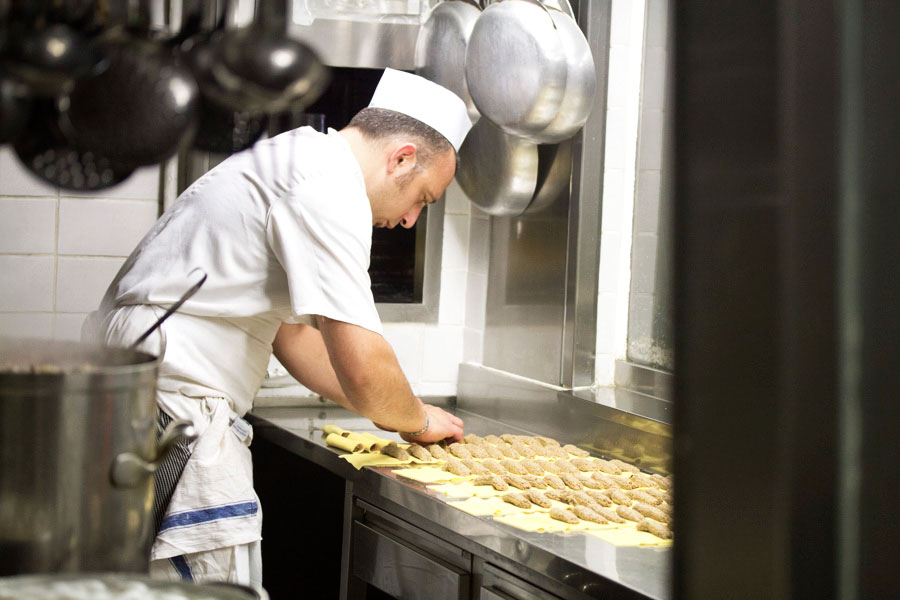
Ristorante Nino
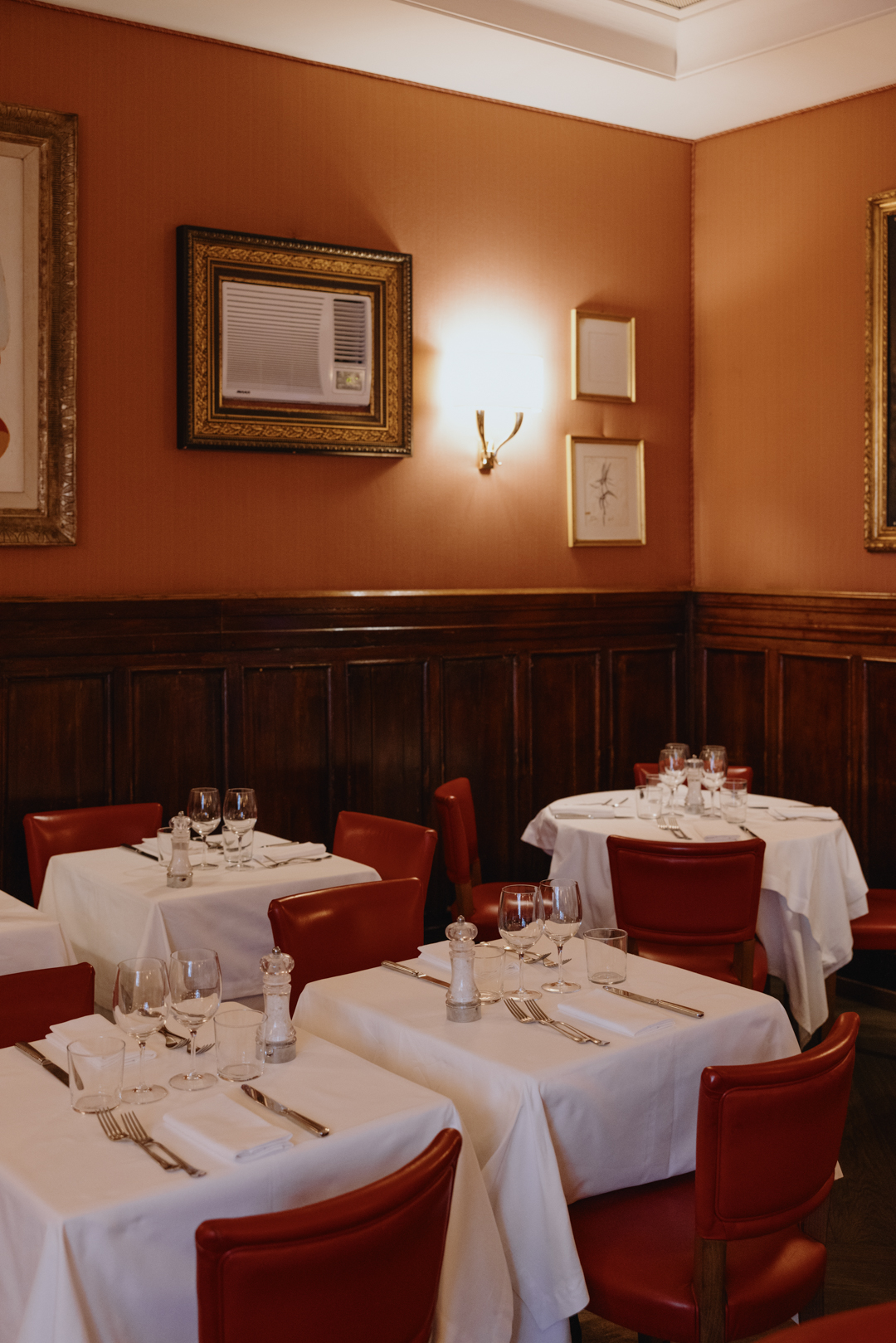
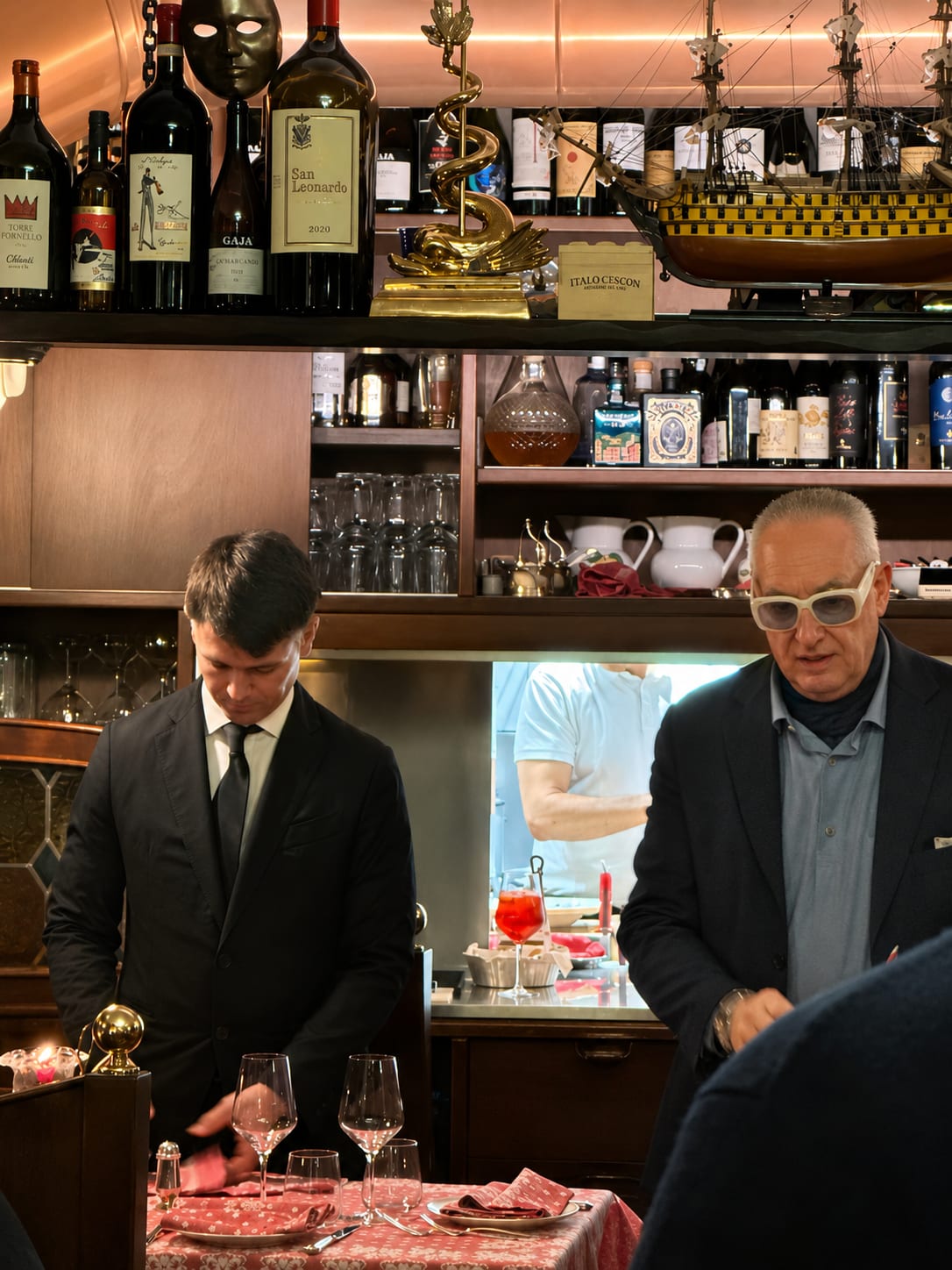
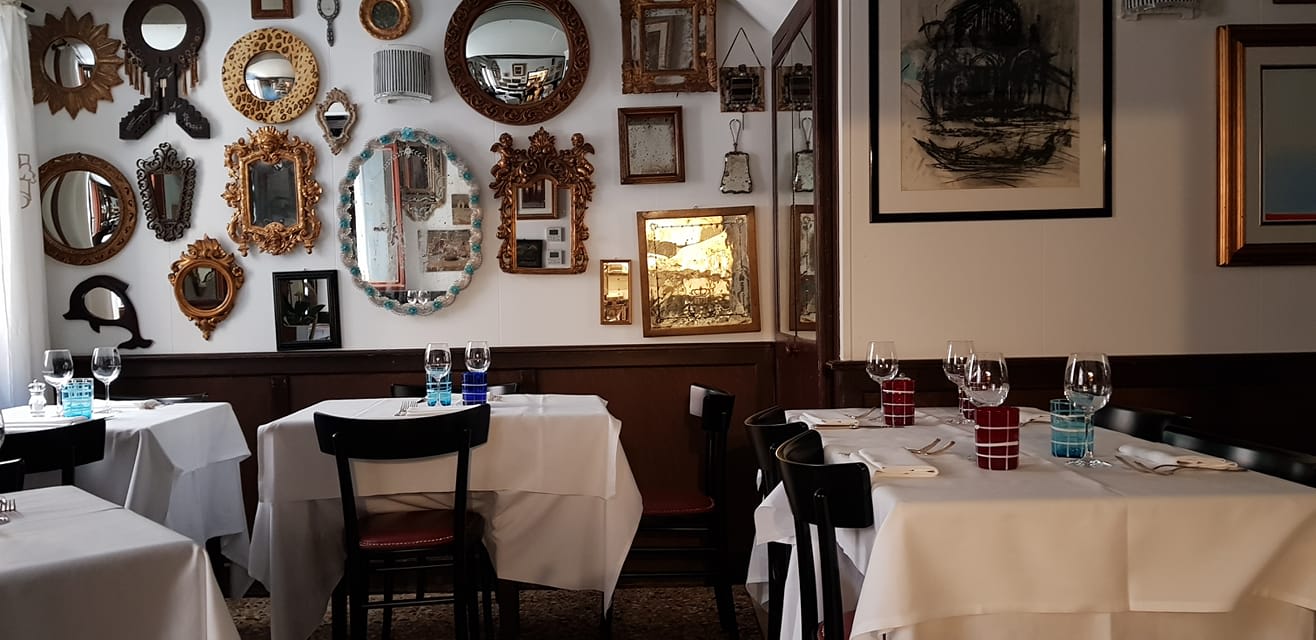
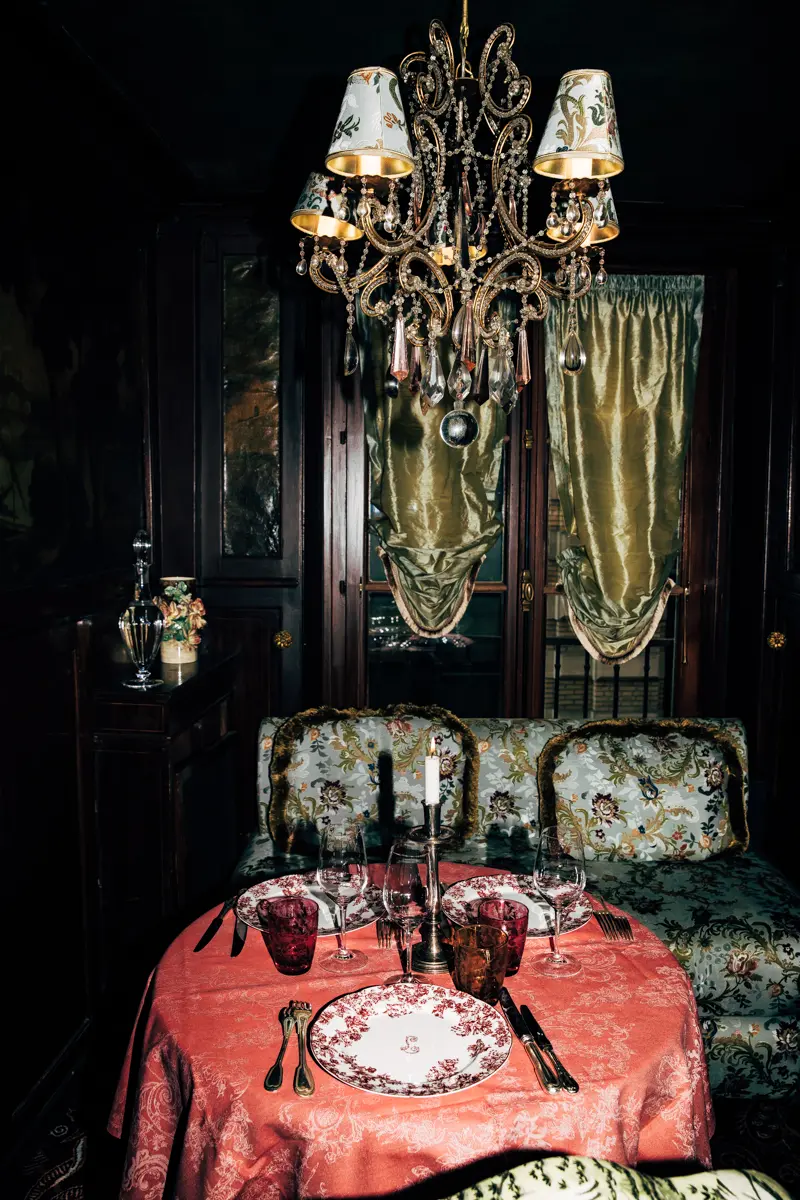
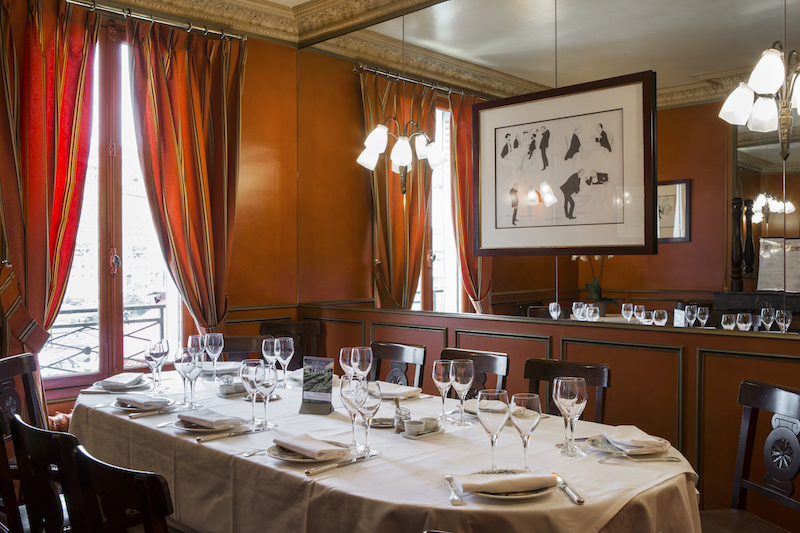
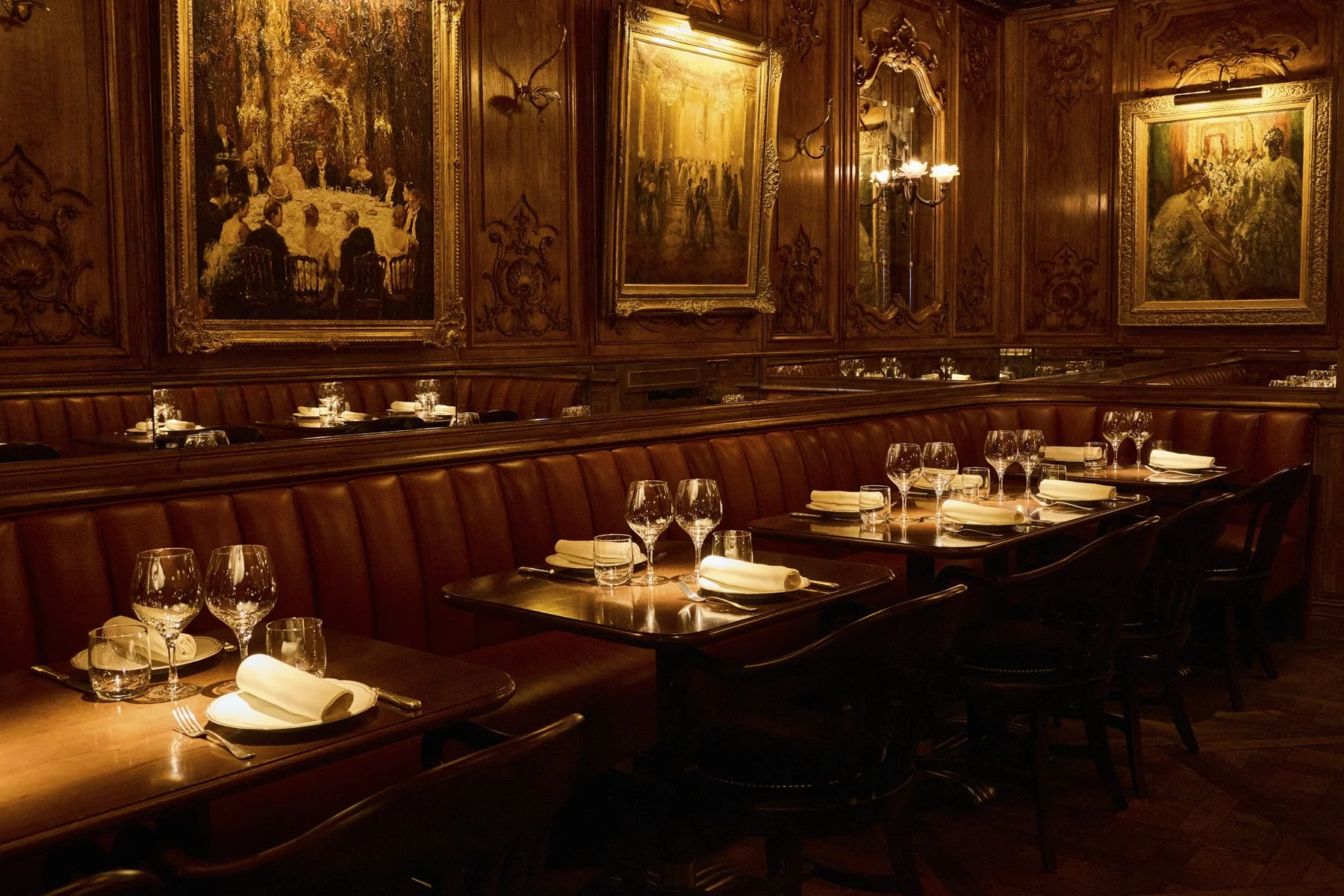
Since 1934. Same room, same Tuscan-leaning menu, same regulars. The tagliatelle al ragù is the order. The waiters have been here longer than most restaurants in Rome have existed. Nouri has a table.
Read the table notes →The restaurant and the hotel around the corner. Always together.
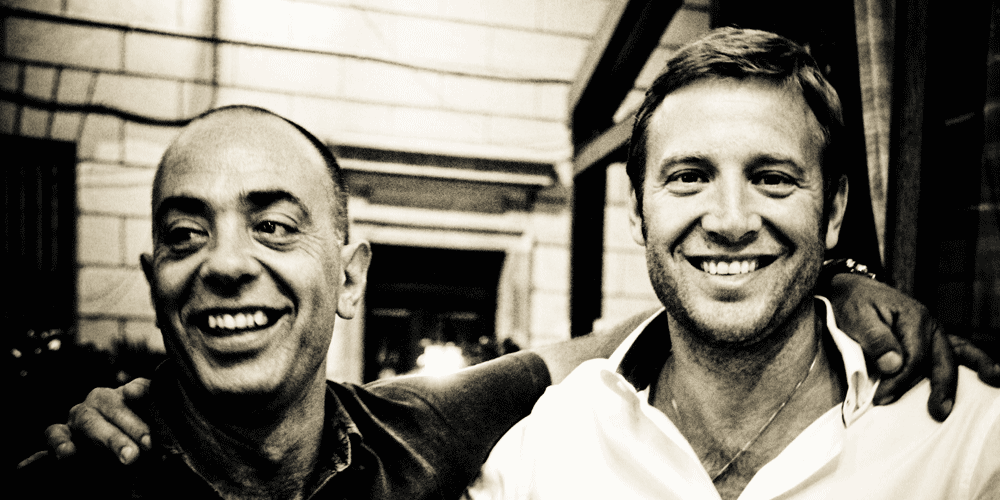
We eat at every restaurant we recommend. No press invitations, no complimentary meals accepted, no sponsored placements. Every table was booked, every bill paid.
The recommendations are organised by city. Within each city you will find the table we would return to without hesitation, the others worth knowing, and the ones worth skipping — and the reason why.
Rome has fed people for two thousand years and has strong opinions about how it should be done.
Since 1934. Same room, same Tuscan-leaning menu, same regulars. The tagliatelle al ragù is the order. The waiters have been here longer than most restaurants in Rome have existed. Nouri has a table.
Read the table notes →The best cacio e pepe in Rome — a claim worth making carefully and which we make without hesitation. Trastevere on a cold evening, the room full of Romans, the pasta arriving in a wheel of pecorino.
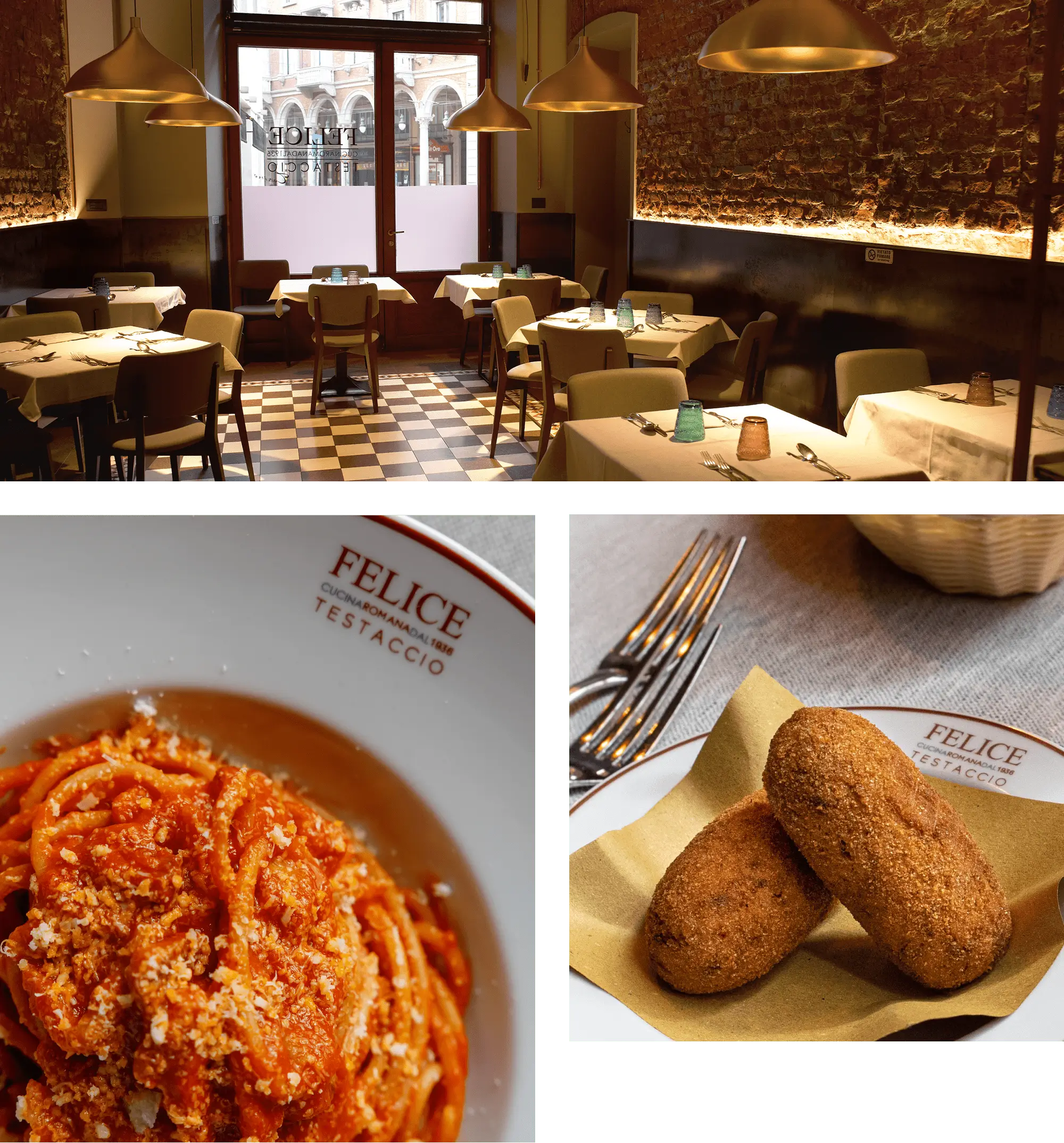
Read the table notes →Since 1936. The tonnarelli cacio e pepe is made at the table. Do not ask to change anything on the menu. That is not how this works.
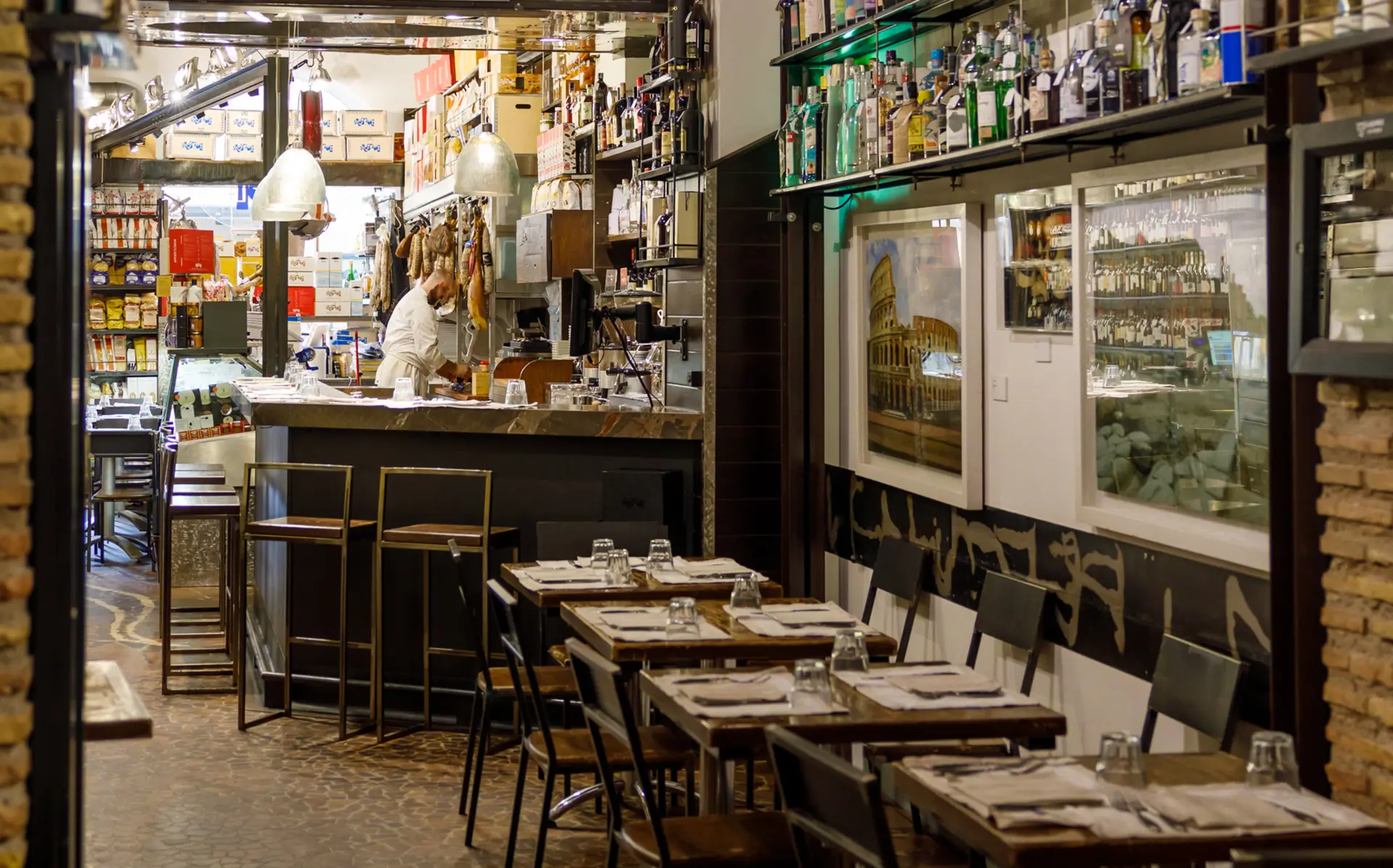
Read the table notes →Inside the Testaccio market, at a counter, with no reservations and no pretension. Go for lunch on a weekday.
Read the table notes →The Roman trattoria as it should be — small, loud, seasonal. Rigatoni con la pajata when it is on. Always the artichokes.
Read the table notes →Roman institution. Come early or late and you will feel why it has lasted. The cacio e pepe is the benchmark against which all others are measured.
Read the table notes →The tagliatelle al ragù is why it exists. The terrace in warmer months is one of the best tables in the city.
Read the table notes →Part deli, part wine bar, part restaurant, entirely serious about everything on the plate. Reserve well in advance. The carbonara is famous for good reason.
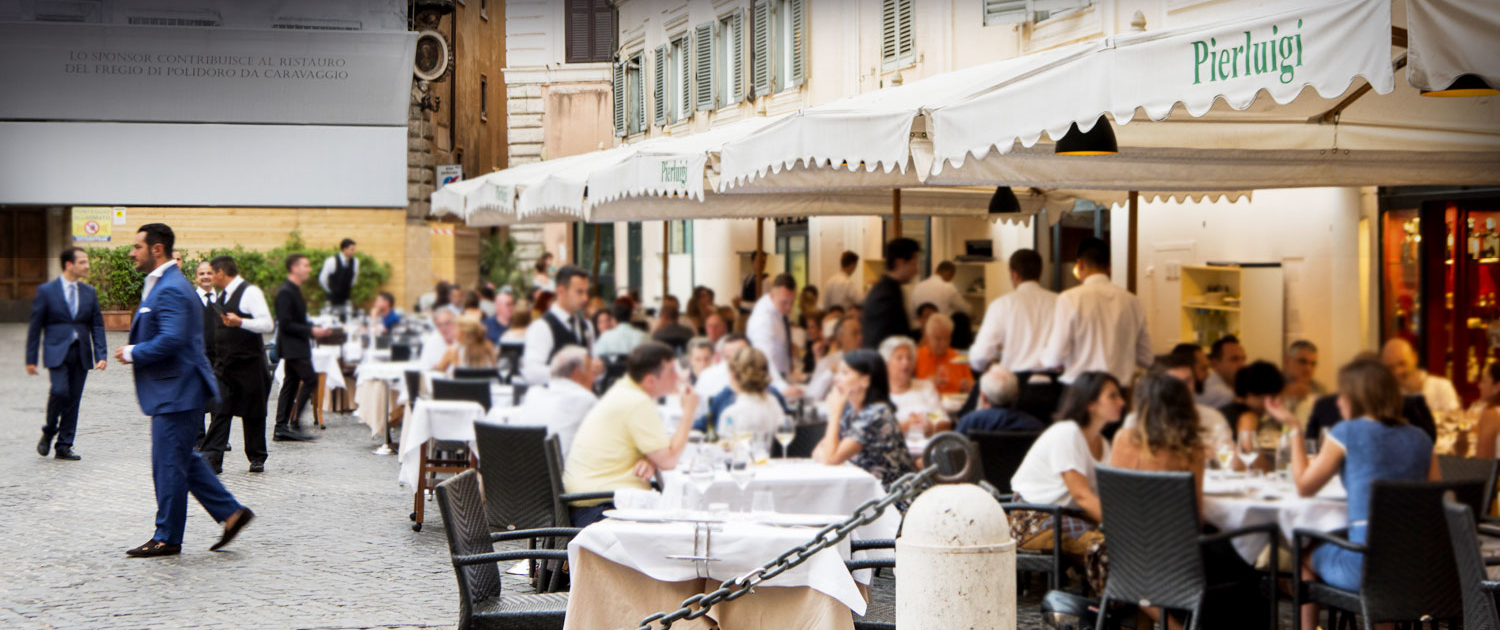
Read the table notes →One of Rome's great seafood restaurants, on one of its most beautiful small piazzas. Come for a long lunch.
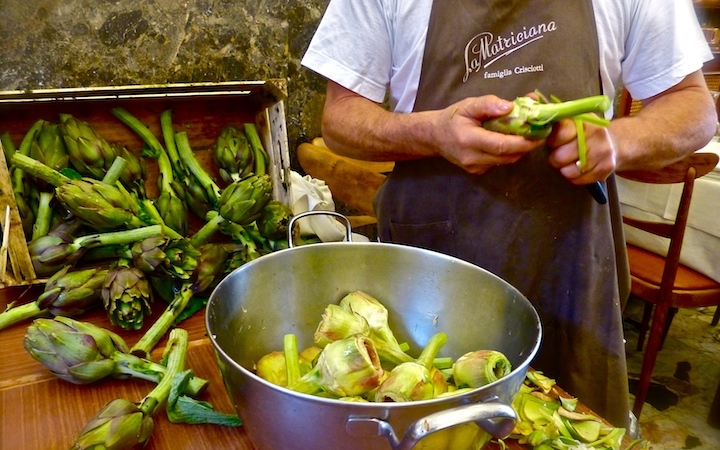
Read the table notes →Historic trattoria since 1870. The amatriciana is non-negotiable — the dish was named for this region and this restaurant takes it seriously.
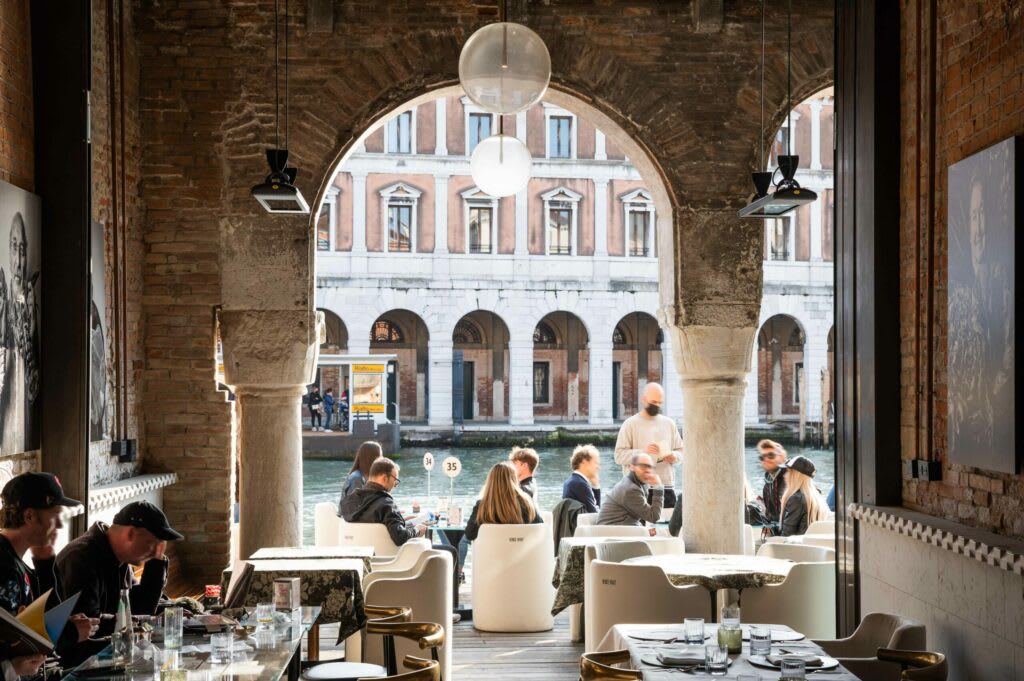
Read the table notes →Venice has fed travelers for a millennium. The right tables remain in the right places.
Giant mirrored spheres from fairy lights in December. Nouri photographed the baccalà mousse plate — his highest praise. The carbonara is very good, which in Venice is worth noting.
Read the table notes →No pizza. No lasagne. No tourist menu. Menu changes daily based on what Francesco buys at the Rialto market that morning. Michelin-recognized. Never needed it.
Read the table notes →The rare Venice restaurant that does not serve fish. Since 1956. Small, old, unhurried. The pepper steak is the reason people come back.
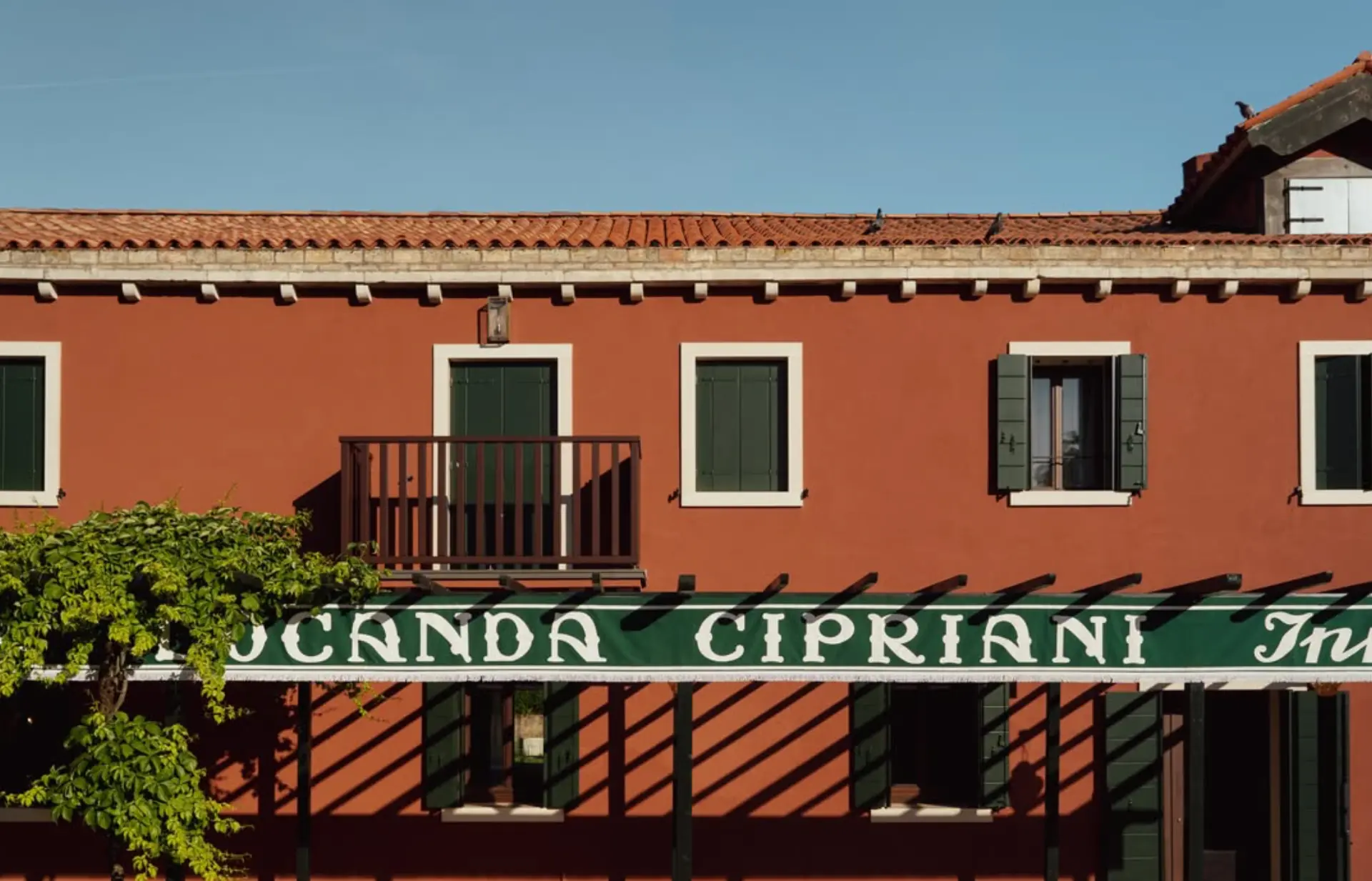
Read the table notes →Hemingway stayed here. Still run by the Cipriani family. Garden terrace in good weather. Go for lunch. Take the slow boat back.
Read the table notes →Seven restaurants, personally. The ones worth going back for.
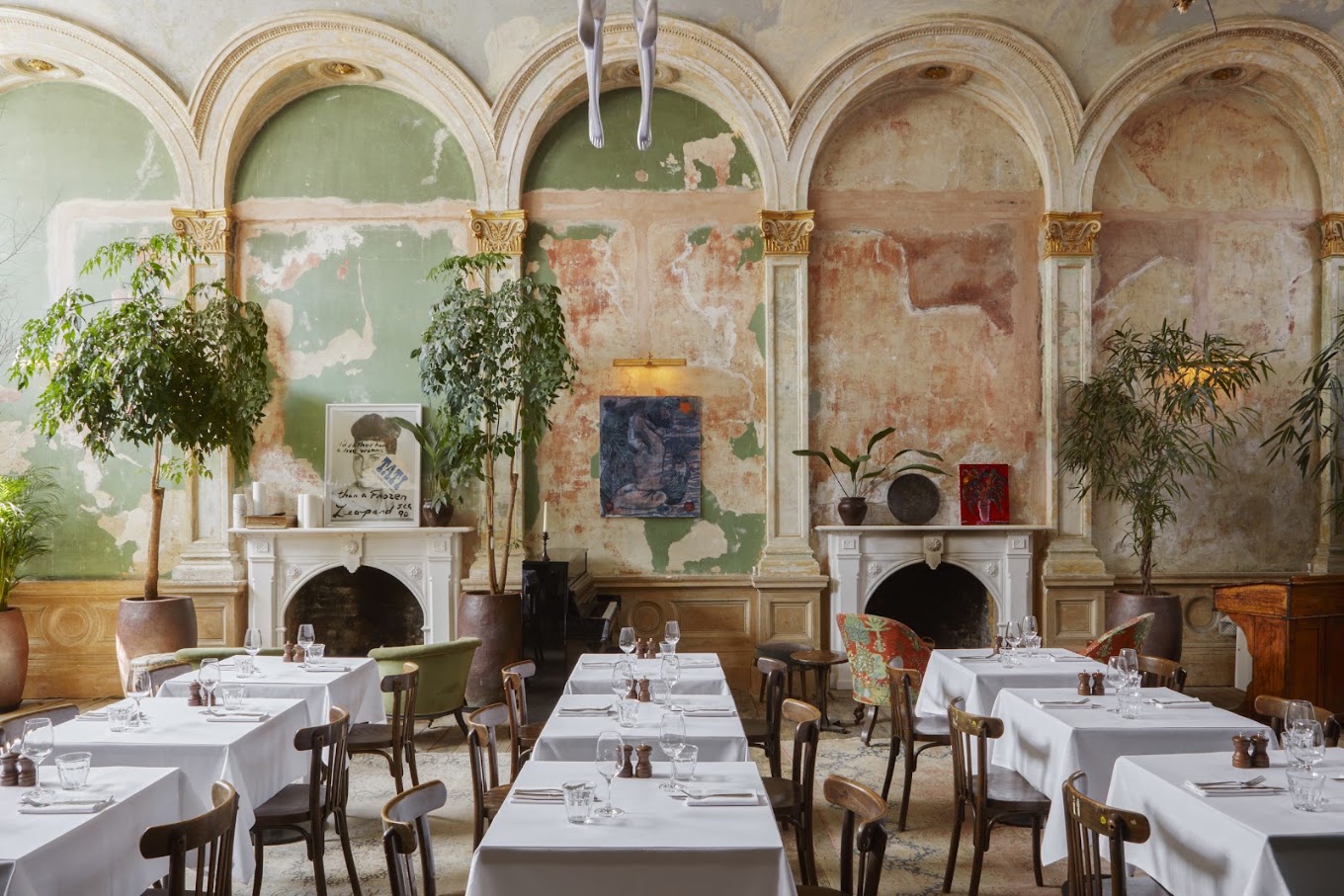
The room is the point — a beautifully composed dining room in St James's that feels like it has been there forever. The cooking earns its place alongside the setting.
Read the table notes →A reliable Mayfair address with a strong Mediterranean kitchen and the kind of crowd that makes the room feel alive. The right choice when you want something dependable and good.
Read the table notes →Still one of the most reliably good rooms in London — the Firehouse has kept its standing long past the point when most restaurants in its category have slipped. Come for lunch.
Read the table notes →A very good French brasserie in St James's that does the classics without apology. The wine list is the thing. The room is pleasant, the food is correct, and the whole thing works.
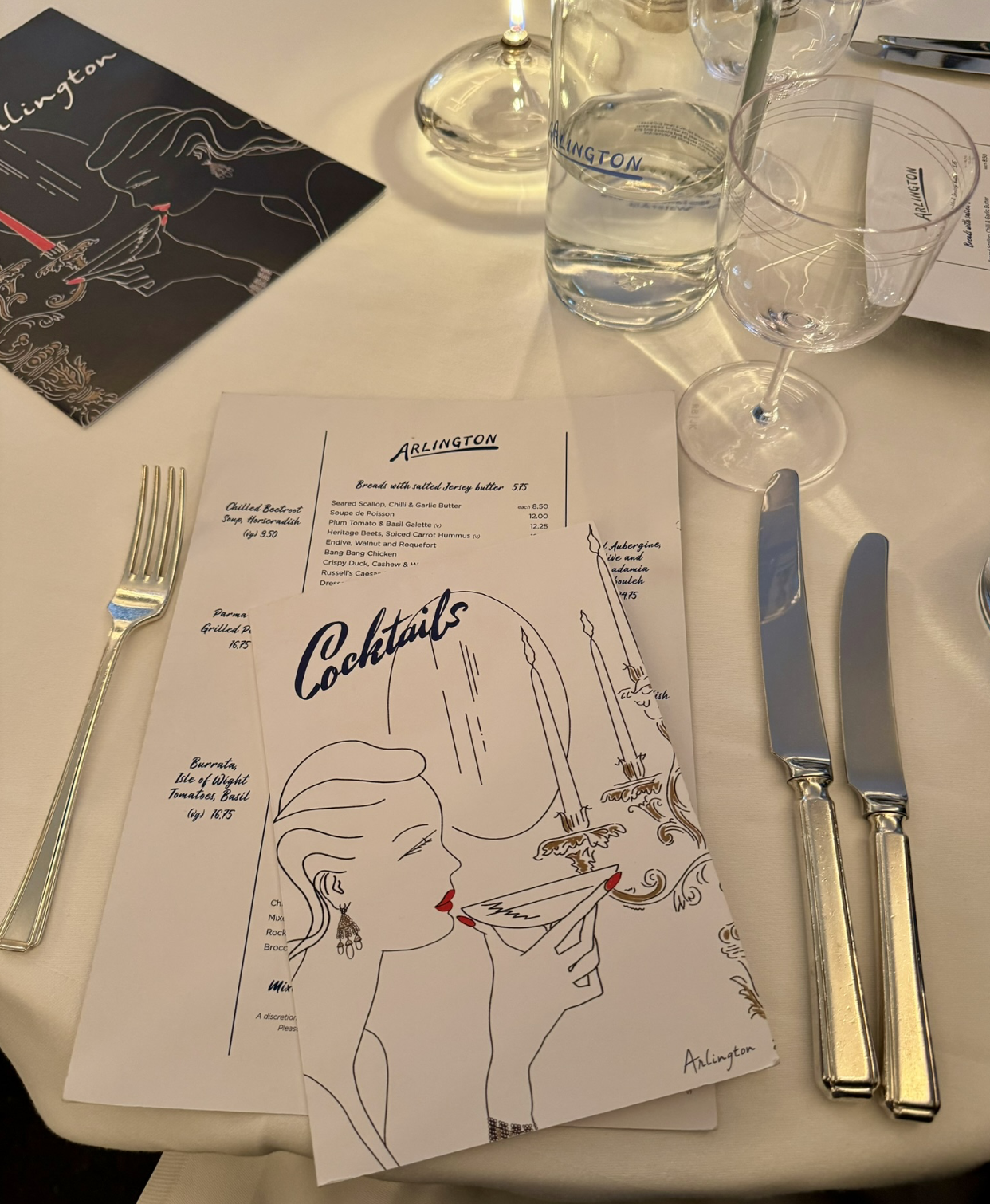
Read the table notes →The best room for dinner in London right now. Arlington Street off St. James's — the kind of address that sets expectations and then exceeds them. Classic cooking with total confidence.
Read the table notes →One of the most beautiful dining rooms in London. Mediterranean and Latin-influenced cooking in a room designed to make dinner feel like an occasion. The food earns the room.
Read the table notes →Book the garden for lunch. A converted Victorian fire station in Marylebone with a terrace that justifies everything. The room works at dinner but the garden at lunch is the point.
Read the table notes →Housed inside the Old Sessions House — a former courthouse converted into something between a restaurant and an art installation. The food is good, but the room is the reason to go. Book ahead. It is a hard reservation.
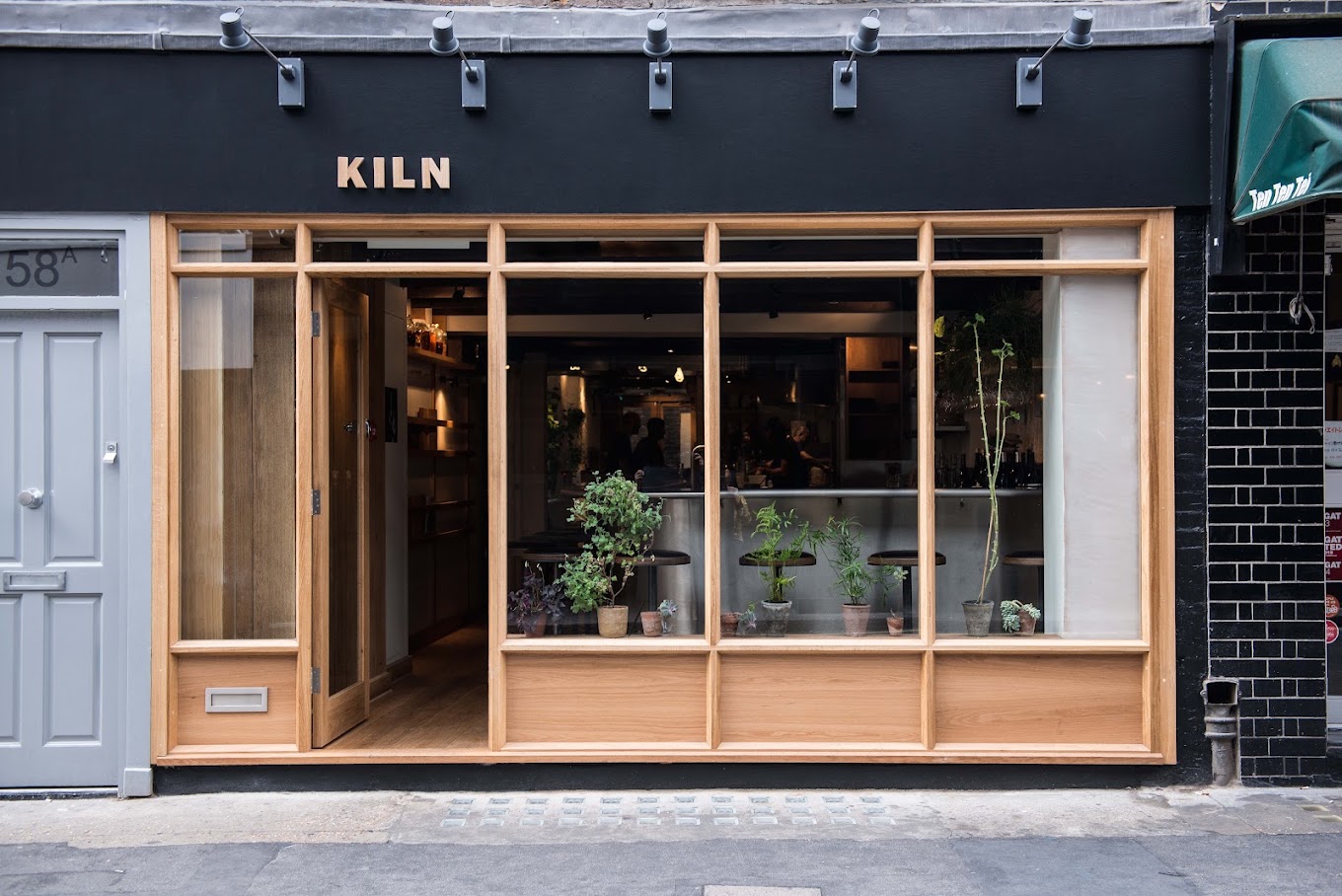
Read the table notes →Live-fire cooking, no reservations for the counter seats — get there early and sit at the bar facing the kitchen. It is loud and cramped and completely right.
Read the table notes →Established 1851 and still the most reliably excellent seafood restaurant in the city. This is old London behaving exactly as old London should.
Read the table notes →The grand Parisian brasserie that London needed and finally has. The downstairs bar — François's — is one of the better places in the city for a late drink.
Read the table notes →Two Michelin stars and the most quietly exceptional kitchen in the city. The service is warm in a way that Michelin restaurants often aren't.
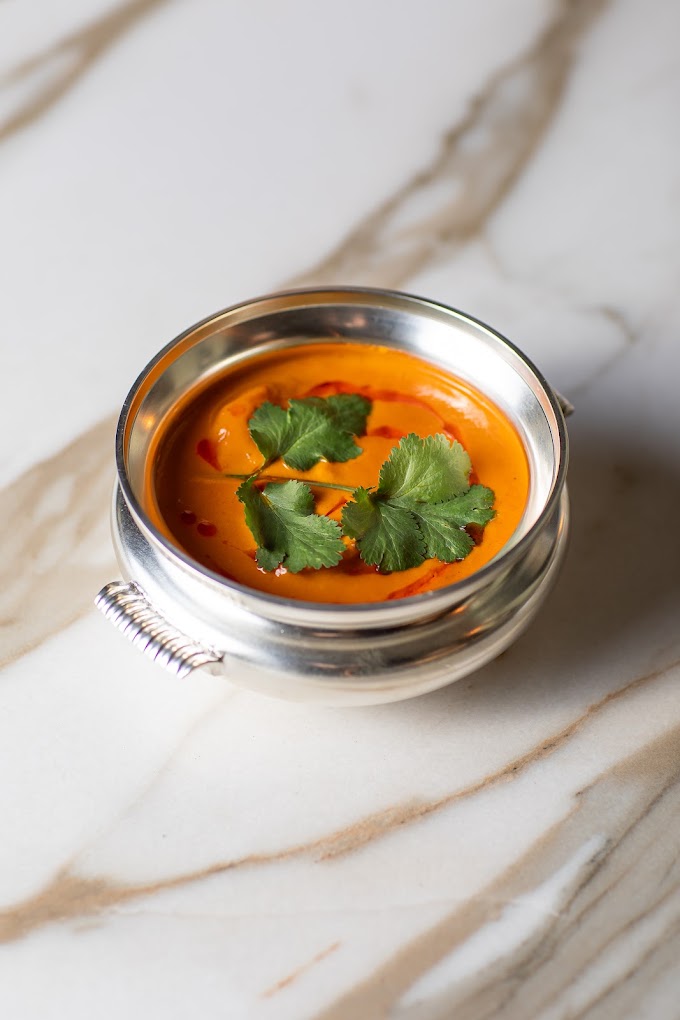
Read the table notes →The best Indian restaurant in a city with extraordinary Indian restaurants.
Read the table notes →Opened 2024 and immediately felt like it had been there for thirty years. Book ahead — the room is small and the word is out.
Read the table notes →The public-facing sibling of 5 Hertford Street — the room has the same quality, the same crowd, without the membership requirement. One of the better lunches in Mayfair.
Read the table notes →Open since 1828. The grand dining room, the silver-domed trolleys, the roast beef carved at the table. Old London behaving exactly as old London should. Go for Sunday lunch.
Read the table notes →The best-kept secret inside the least subtle building in London. The café inside Harrods that feels like someone carved out a genuinely good room and hid it among the gift wrap. Go for breakfast or a mid-morning coffee.
Read the table notes →A Chelsea neighbourhood restaurant that does everything right — the room, the wine list, the cooking, the fact that it is full of people who live nearby.
Read the table notes →The restaurant inside The Lanesborough — one of the most beautiful dining rooms in London. The cooking matches the room. The Sunday lunch is one of the great London rituals.
Read the table notes →Two Michelin stars and the most serious Chinese kitchen in London. Andrew Wong's tasting menu is one of the great London dining experiences. Book months ahead.
Read the table notes →One of the most interesting kitchens in London — sustainable, seasonal, inventive without being precious. The corn ribs. Always the corn ribs.
Read the table notes →The most important Italian restaurant in London, which it has been since 1987. Rose Gray and Ruth Rogers built something that transformed how England thinks about Italian food. The chocolate nemesis is non-negotiable.
Read the table notes →The best pub in London for a proper meal — the kind of cooking that would embarrass most restaurants, in a room that is unmistakably a pub. The beef dripping toast. No reservations for the bar. Go early.
Read the table notes →A South Indian pub restaurant in Islington that has been quietly exceptional since it opened. The dosas are the best in London. The room is a pub. The food is not pub food.
Read the table notes →The best tapas in London, no reservations, counter seating only. Queue or go at an odd hour. Worth every minute of the wait.
Read the table notes →Upstairs or downstairs — the counter downstairs for pintxos and sherry, the dining room upstairs for the full meal. Nieves Barragán Mohacho's cooking is exceptional.
Read the table notes →The pub that is worth the queue. A Soho institution that serves food as good as most restaurants in a room that is entirely a pub. The beef Wellington. Go early or accept the wait.
Read the table notes →Wine bar and restaurant from the team behind the magazine. The wine list is extraordinary and the food matches it. Both locations are good. The Bloomsbury original has the better room.
Read the table notes →The Wolseley's sibling — same grand Mitteleuropean dining room energy, better located for the Strand and Covent Garden crowd. Excellent for breakfast, lunch or a late dinner after the theatre.
Read the table notes →St. James's Italian institution since 1946. The clientele is what it has always been — old money, diplomats, people who do not need to announce themselves. The pasta is the reason.
Read the table notes →A neighbourhood restaurant in South Kensington that has very quickly become the kind of place locals protect. Small, considered, the cooking better than the room suggests.
Read the table notes →Bill Granger's London outpost — for an easy, excellent lunch that requires no planning and no apology. The ricotta hotcakes and the scrambled eggs are among the best in the city.
Read the table notes →A newer Chelsea restaurant that has earned its place quickly — the cooking is good, the room is right, the wine list is serious.
Read the table notes →A Shoreditch restaurant that has the rare quality of being genuinely good without trading on its neighborhood. The cooking is precise, the room is right.
Read the table notes →The dining room inside the Savoy — the hotel everyone knows and the restaurant fewer people consider. The room is one of the great London dining rooms.
Read the table notes →A proper Italian restaurant in Fitzrovia that has been feeding the neighbourhood for decades and sees no reason to change. The pasta is made in the kitchen.
Read the table notes →Two rooms, two experiences — the Dover dining room upstairs and the counter downstairs. The counter is the move: smaller, more personal, the cooking right in front of you.
Read the table notes →A Chelsea neighbourhood restaurant that operates at a higher level than its postcode requires. The cooking is careful, the room is warm, the clientele is local.
Read the table notes →Inside the Dorchester — the more accessible of the hotel's dining rooms. Art Deco interior. The Saturday lunch crowd is London at its most quietly elegant.
Read the table notes →A Chelsea deli for a casual lunch that does not feel like a compromise. Good sandwiches, good coffee, the kind of place that makes the neighborhood function.
Read the table notes →Six restaurants, personally. The ones we went back to, the ones we would go back to.
Since 1875. Open around the clock. The seafood plateau at midnight is the move. No reservation required — which is part of the point.
Read the table notes →Always a good idea if you can get a table in the garden. The courtyard is the real reason anyone goes — the food is the second reason. Request the garden specifically when booking.
Read the full review →Since 1893, on the Rue Royale. Art Nouveau interior untouched. The most beautiful dining room in Paris. The sole meunière is non-negotiable.
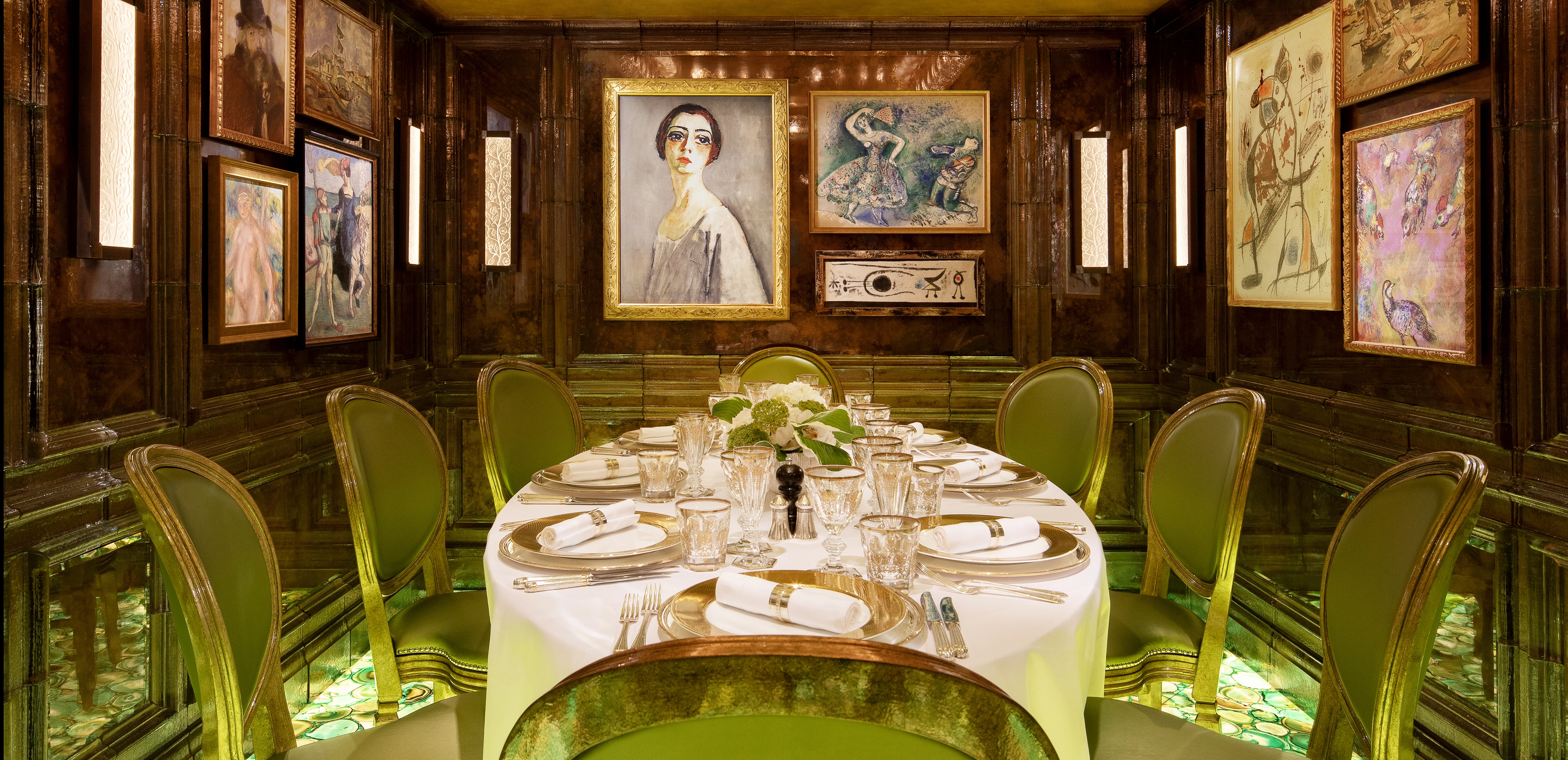
Read the table notes →The oldest restaurant in Paris, on the Quai des Grands Augustins since 1766. The private salons upstairs — where courtesans scratched their diamonds into the mirrors — are still bookable. We celebrated New Year's Eve here once. The bill was high and the memories will last a lifetime.
Read the table notes →Since 1964, near the Bourse. Phone reservations only. The waiter brings what he thinks you should have. He is correct every time. The quintessential Paris bistrot — the one that all others are measured against.
Read the table notes →The Ralph Lauren restaurant inside the Boulevard Saint-Germain flagship. The garden courtyard is one of the most beautiful lunch settings in Paris. The burger is better than it has any right to be.
Read the table notes →Gregory Marchand's restaurant in the Sentier neighborhood that changed how Paris thought about neo-bistrot cooking when it opened. Still excellent, still worth the reservation difficulty.
Read the table notes →The oldest restaurant in Paris still in operation, since 1680. The Saint-Germain address. Classic French cooking with no pretension. The prix fixe is the move.
Read the table notes →The Canal Saint-Martin neighborhood's best kept secret. A zinc bar, paper tablecloths, a daily menu on the blackboard. The kind of Paris that tourists photograph and locals actually eat in.
Read the table notes →The most famous roast chicken in Paris, which is saying something. Since 1924. The foie gras is half a liver. Cash only, book weeks ahead.
Read the table notes →Gregory Marchand's restaurant in the Sentier neighborhood that changed how Paris thought about neo-bistrot cooking when it opened. Still excellent, still worth the reservation difficulty.
Read the table notes →One Michelin star, natural wines, a kitchen that has trained half the serious chefs in Paris. Impossible to book through normal channels — use a concierge or try the bar next door.
Read the table notes →The Ralph Lauren restaurant inside the Boulevard Saint-Germain flagship. The garden courtyard is one of the most beautiful lunch settings in Paris. The burger is better than it has any right to be.
Read the table notes →A Marais bistrot that does everything correctly — the cooking, the room, the wine list, the fact that it is full of people who live in the neighborhood. Go for lunch on a weekday.
Read the table notes →The Canal Saint-Martin neighborhood's best kept secret. A zinc bar, paper tablecloths, a daily menu on the blackboard. The kind of Paris that tourists photograph and locals actually eat in.
Read the table notes →Inside the Plaza Athénée, the more accessible of the hotel's two dining rooms. Art Deco interior. The Saturday lunch crowd is Paris at its most elegant and completely unaware of it.
Read the table notes →A small wine bar and bistrot in the 9th that has been doing this correctly for years. Natural wines, seasonal cooking, the kind of room where you stay two hours longer than planned.
Read the table notes →The best fish restaurant in Paris, which is a serious claim made by serious people for decades. Since 1967. The turbot is the order. Book ahead.
Read the table notes →Omar Koreitem and Moko Hirayama's small restaurant in the 11th. Lunch only. The cooking is unlike anything else in Paris. The cookies are famous. The restaurant deserves more attention than the cookies.
Read the table notes →A natural wine bar in the 11th with small plates that are consistently better than they need to be. The wine list is the point but the food earns its place.
Read the table notes →Counter sushi in Paris at the level of Tokyo counter sushi. An extraordinary claim that is accurate. Book months ahead through your concierge.
Read the table notes →The most beautiful restaurant room in Paris, in the Palais-Royal arcades since 1784. Every table has a plaque of the famous person who sat there — Napoleon, Victor Hugo, Colette.
Read the table notes →The restaurant and garden at the Hotel Amour in Pigalle. The garden in summer is one of the most reliably pleasant lunch settings in Paris. Go on a weekday.
Read the table notes →The New York institution's Paris outpost near the Champs-Élysées. The Milanese breakfast and the pasta at lunch. The espresso is the best in the 8th.
Read the table notes →Basque pintxos and txakoli in the 11th. Stand at the bar. Order everything on the board. One of the most enjoyable casual meals in Paris.
Read the table notes →The Levha sisters' restaurant in the 11th. Southeast Asian and French influences, natural wines, one of the most interesting kitchens in Paris.
Read the table notes →The seafood bar from the Septime team. No reservations. Arrive at opening and take a counter seat. The oysters and the sea urchin toast.
Read the table notes →A Belle Époque brasserie near the Bourse with a mahogany interior that has not changed since 1876. The pre-theatre crowd and the post-market crowd. Steak frites.
Read the table notes →The oldest restaurant in Paris still in operation, since 1680. The Saint-Germain address. Classic French cooking with no pretension. The prix fixe is the move.
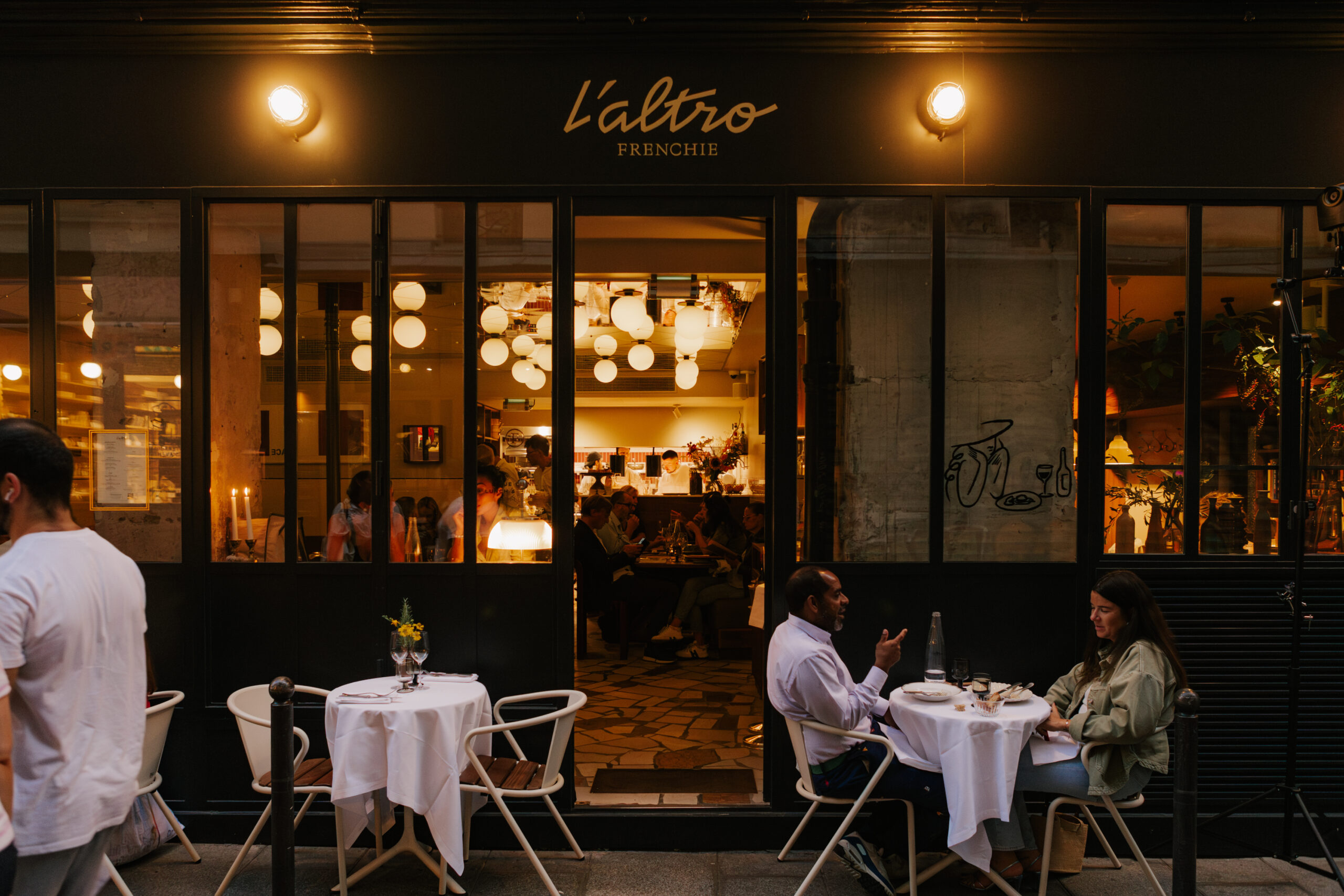
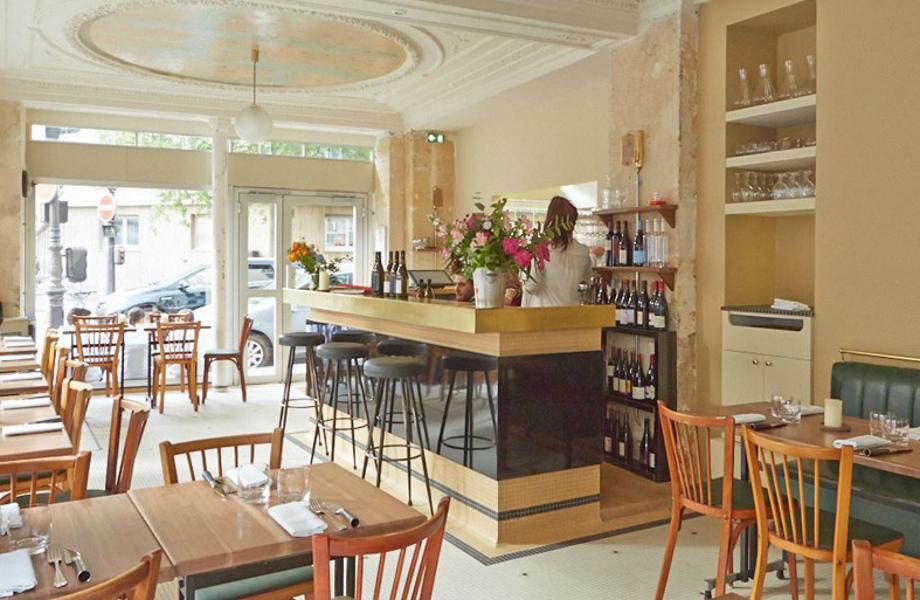
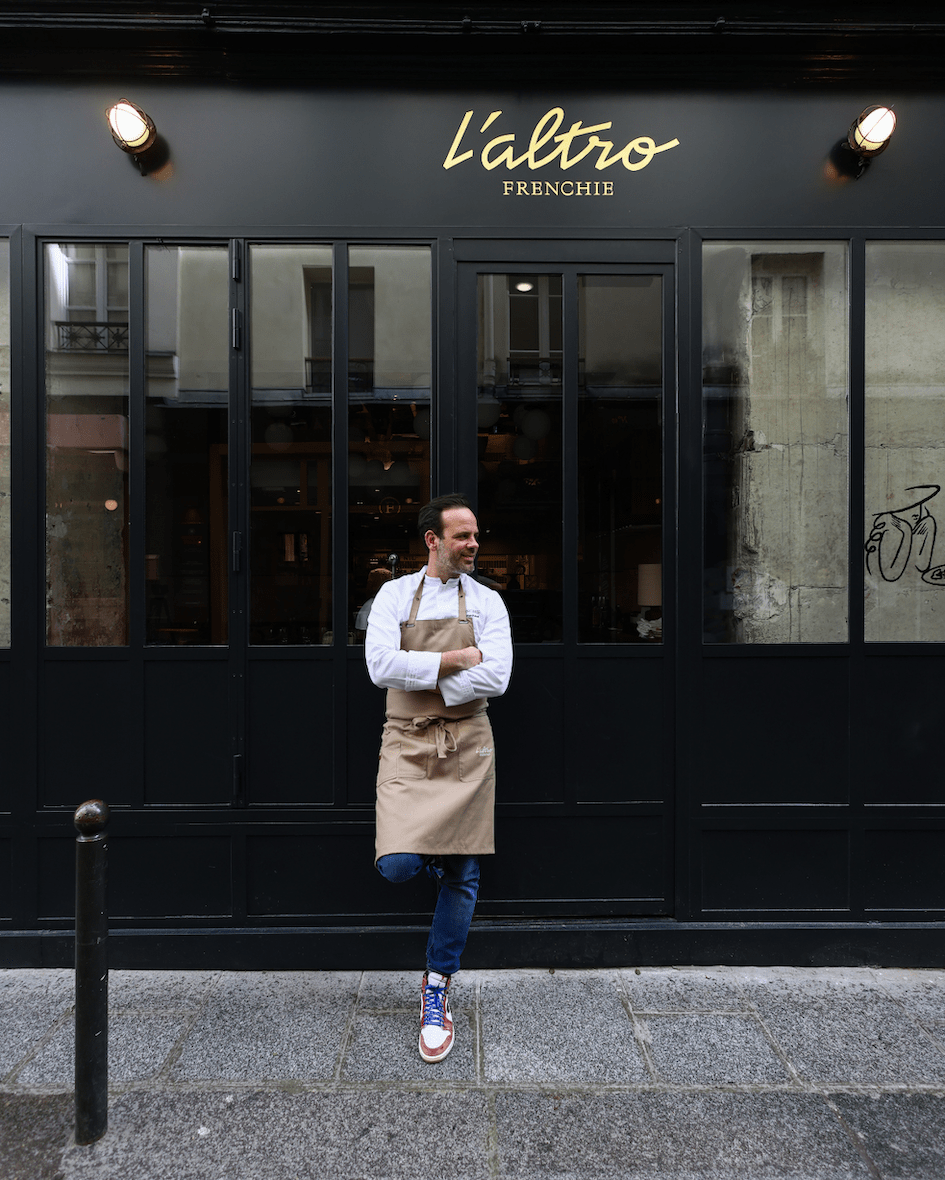
Read the table notes →Greg Marchand's more casual, Italian-leaning annex across the street from the original. Better than Frenchie proper for lunch. Order whatever pasta they're running that day and don't overthink it.
Read the table notes →A small natural wine bar-restaurant in the 11th that does exactly what it says: honest seasonal cooking and a list that rewards curiosity. Arrive early or you won't get in.
Read the table notes →The Roman kitchen that Paris didn't know it needed. Cacio e pepe done properly, and a room that feels like it was designed by someone who actually eats dinner.
Read the table notes →Korean with a French sensibility — or French with a Korean sensibility, depending on how you're counting. Either way, some of the most interesting cooking in the city right now.
Read the table notes →A Lebanese counter in the 11th that does the best hummus in Paris and a roast chicken that will ruin you for all other roast chickens. Cash only, no reservations, worth it.
Read the table notes →Come for lunch. Order the cold soba with dipping broth. Leave before you talk yourself into a second bowl. One of those places that does one thing and does it better than anyone.
Read the table notes →Canal Saint-Martin terrace, good coffee, a reliable croque-monsieur, and the particular pleasure of watching the boats go through the lock while the city does its morning thing.
Read the table notes →The all-day café at the Cheval Blanc hotel, eighth floor, Seine view. Go for coffee and a tart in the morning before anyone with a dinner reservation shows up. The terrace in good weather is the best seat in Paris.
Read the table notes →The best Japanese in Paris, which in this city is saying something. Counter seating, omakase-style, not cheap. Book well ahead — this is the kind of place that fills up the week it opens and stays that way.
Read the table notes →A small Swedish-influenced natural wine bar in the 10th that does open-faced sandwiches and ferments everything with obvious conviction. Sounds precious, tastes excellent.
Read the table notes →The Menorcan kitchen that arrived in the Marais and immediately became essential. Order the caldereta on Fridays if you can get it. One of the few spots in Paris doing something genuinely different.
Read the table notes →The garden brunch on Sundays is one of the few reasons to go to Montmartre voluntarily. Book it. The house itself is an 1850s mansion — the cooking matches it.
Read the table notes →The boat to Chez Jo is not optional. Everything else is negotiable.
Take the boat. That's not a suggestion. Drive in by road and it's just a very good lunch. Arrive by water taxi from the port and it's one of the better afternoons in the South of France. Simple menu, local crowd, very old school.
Read the table notes →The most thoughtful food in the village right now. Not a big room — the kind of place where the chef comes out. Natural wine list, seasonal menu, and no attempt to be anything other than excellent.
Read the table notes →The terrace lunch nobody outside France knows about. Tucked into the old town, fifteen tables, the bouillabaisse worth flying for. Reserve, take the late seating, and stay until they kick you out.
Read the table notes →Moroccan mezze on the roof terrace. The room is beautiful, the pastilla is excellent, and it fills up fast in July. Good for a long dinner that starts at 9pm and ends when you decide it's over.
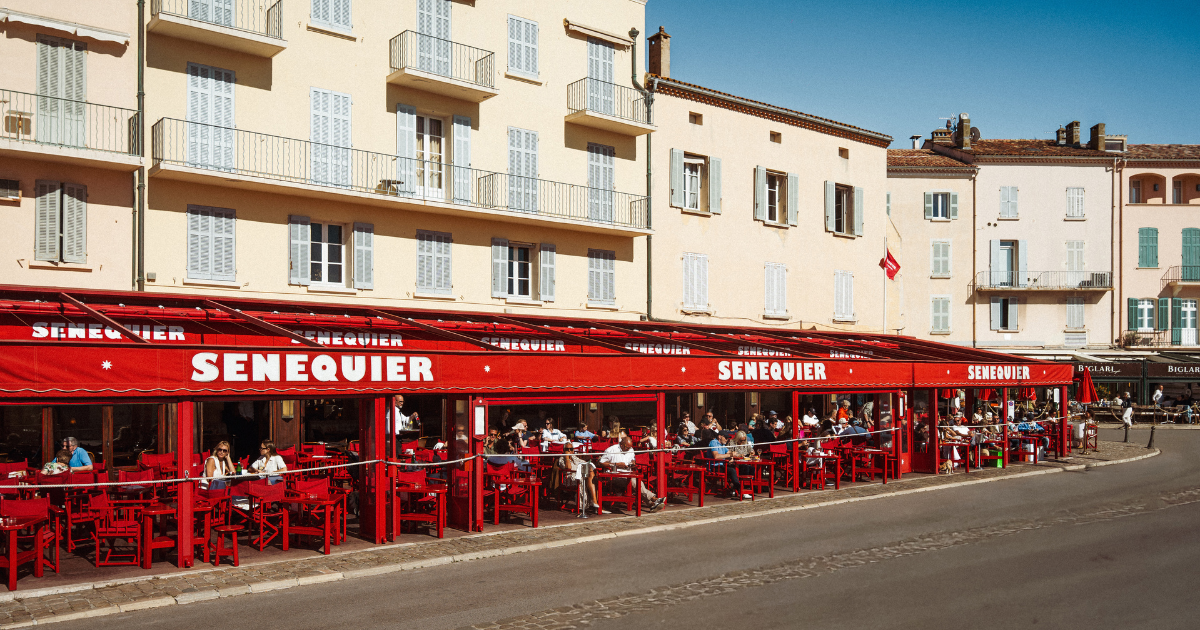
Read the table notes →The red awning on the port. The coffee is actually good and the people-watching is relentless. Go for breakfast or a late afternoon coffee, not for lunch. The institution status is deserved for the atmosphere alone.
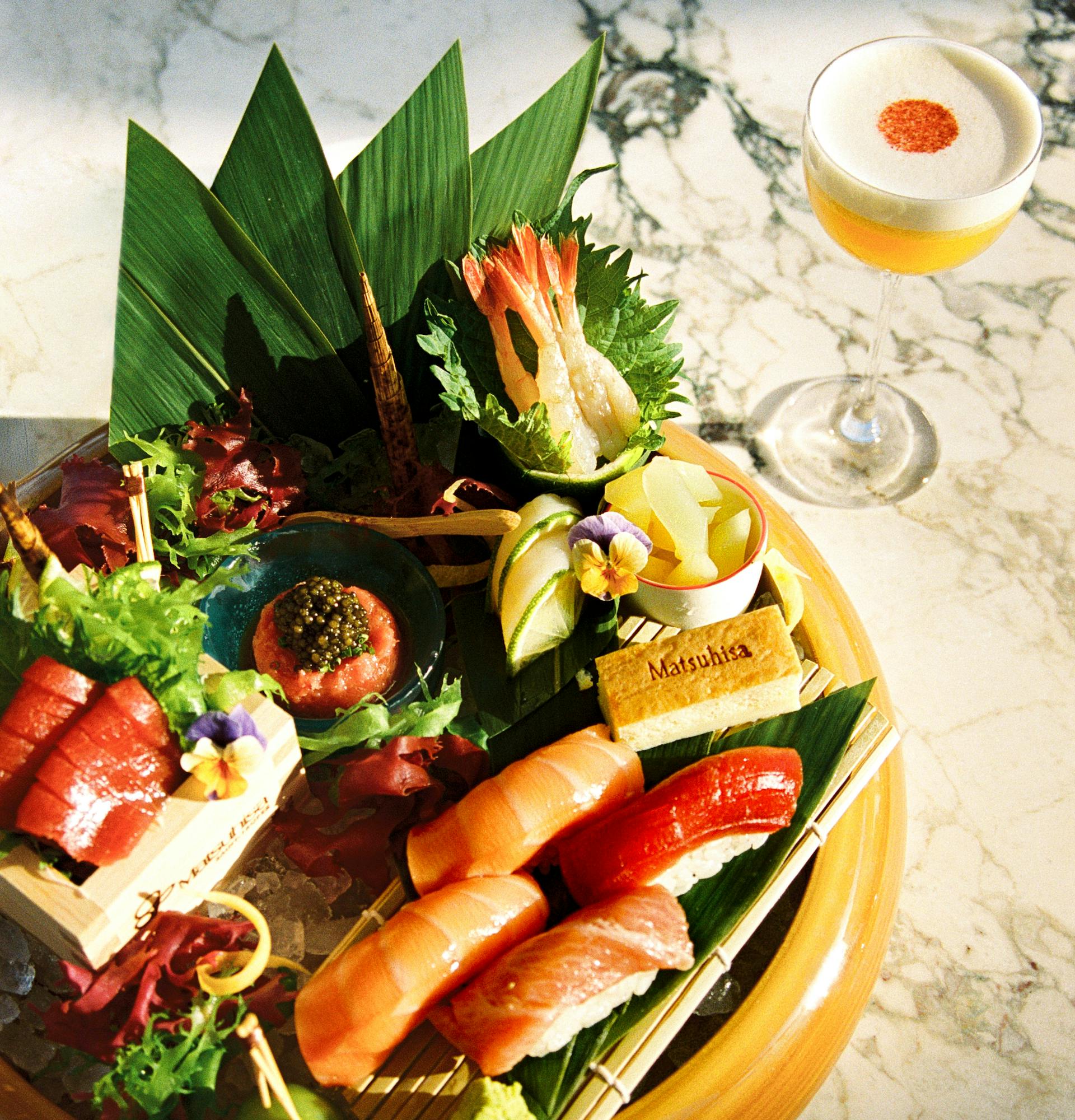
Read the table notes →Nobu on the water, essentially. The setting is the best thing about it; the food is excellent but familiar. Great for a group that can't agree on anything else — and the terrace at dusk is genuinely beautiful.
Read the table notes →A beach club lunch that punches above its category. Good fish, good frites, no nonsense. Busy but not chaotic. The kind of place where you order a second bottle because the afternoon is still good.
Read the table notes →On the Place des Lices, open early. The spot for breakfast after the market. The terrace under the plane trees is the whole point. Order coffee, a croissant, and an hour with no plans.
Read the table notes →A newer addition and already oversubscribed. The kitchen is tight, the cocktails are serious. Better for dinner than lunch. Cooler than it needs to be and just good enough to deserve it.
Read the table notes →The drive pays off. Rustic, correct, long lunches on the terrace with views over the Gulf. They also have a few rooms if you want to stay the night and wake up somewhere genuinely quiet.
Read the table notes →One of the port restaurants that's actually worth sitting at. Simpler menu, honest prices by local standards, and the moules-frites are excellent. The terrace faces the boats rather than the tourists.
Read the table notes →In Ramatuelle, under the plane trees. The kind of lunch that takes three hours and no one minds. Go to the market first on Tuesday or Saturday morning, then walk here.
Read the table notes →The late-night spot the service industry uses as their off-duty bar. Gets going around 11pm. Not somewhere you go for dinner — somewhere you end up after it. The most honest bar in the village.
Read the table notes →The original, still the benchmark. Expensive even by St-Tropez standards, but the beach and crowd justify it once in a trip. Lunch is the move; rosé arrives in magnums. Reserve the table, not just the sunbed.
Read the table notes →
More accessible than 55, less pretentious than the newer arrivals. Good for a full beach day with actual service and a reasonable lunch. The spot for anyone who wants Pampelonne without the performance.
The beach below La Reserve hotel, open to non-guests when space allows. Calm, well-run, and the food is genuinely good. Worth the drive from the centre — the bay here is quieter than Pampelonne.
Read the full review →The boho one. Colorful cushions, a DJ that doesn't drown out conversation, and a crowd trying slightly less hard. Good for a day that starts at noon and doesn't end until the sun does.

Newer and getting better. The kitchen is more ambitious than the average beach club — food actually worth sitting down for. Getting popular; book a table for lunch in advance.

Not quite a beach club — a garden restaurant with beach access. The lunch here is excellent and far less chaotic than the front-beach clubs. A better pick for a Wednesday in June than a Saturday in August.

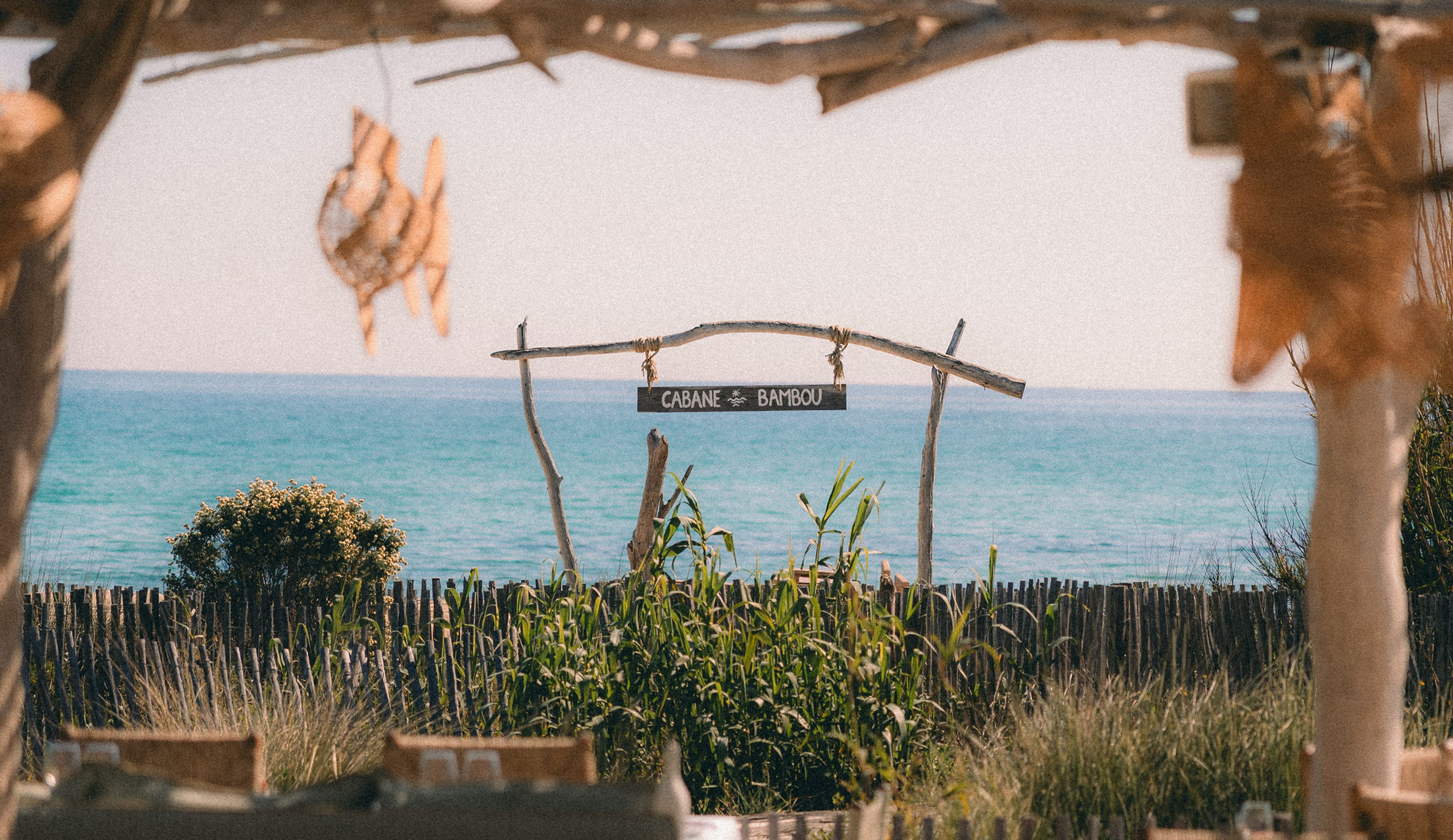
The bamboo and natural-material aesthetic that's become shorthand for a certain type of Riviera cool. Good sunbeds, solid food, not too loud. A pleasant day even if the concept is slightly designed.

The town beach. No velvet ropes, no minimum spend, no dress code. Locals come here. Five minutes from the village on foot. Bring your own picnic or use the simple bar. The most honest hour you'll spend in St-Tropez.
Three tables that matter on a thirty-five square mile island.
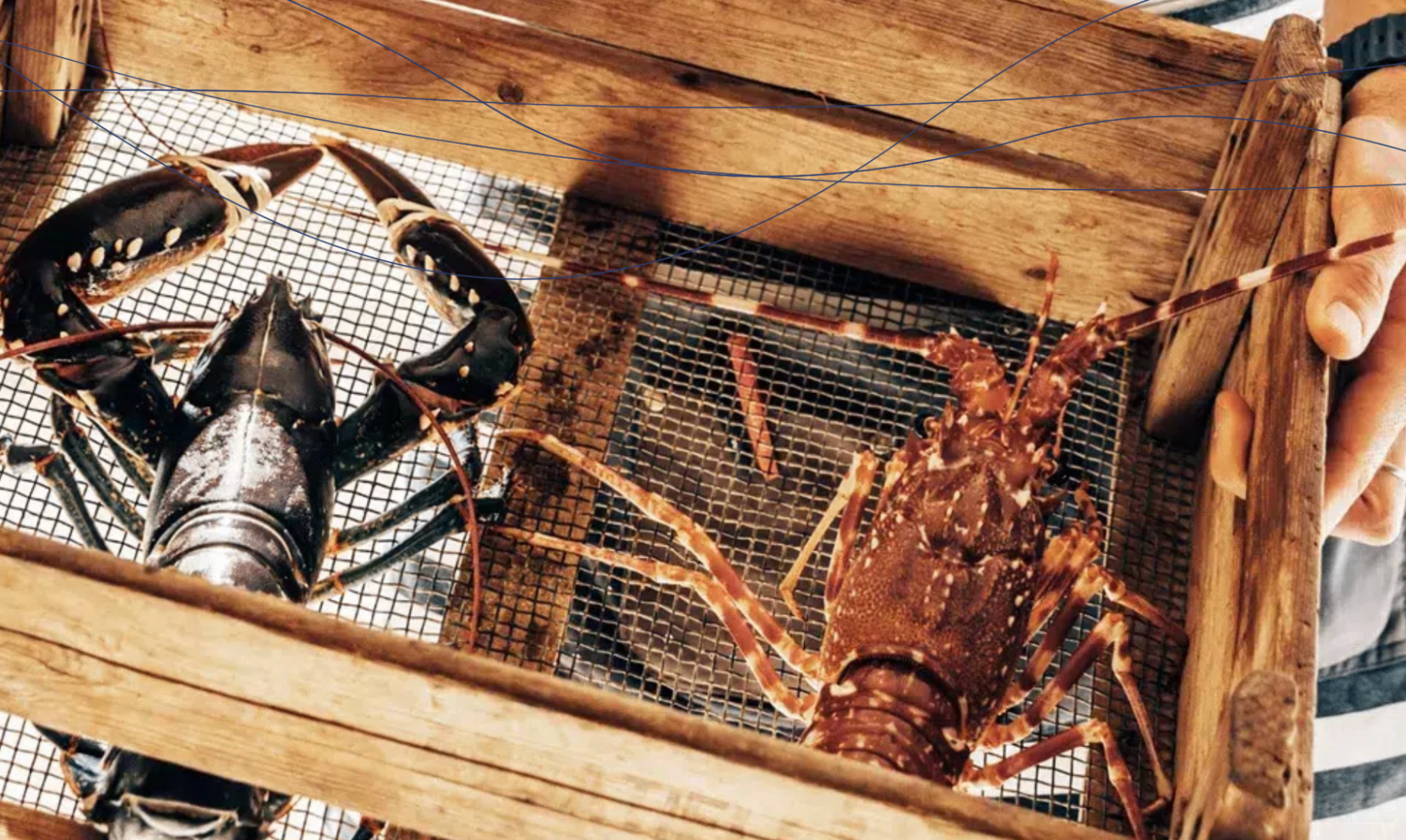
The institution. Blanchards has been on this island since 1994 and wears it with the confidence of a restaurant that knows it doesn't need to update its logo. White tablecloths, candles, the sound of the trade winds through open walls. The lobster is the reason to come. The wine list is longer than the island's main road. Reserve well in advance.
Read the table notes →The anti-Blanchards, in the best possible way. Sharky's is the beach bar that the travel magazines describe as a 'hidden gem' so reliably that it is no longer either hidden or a gem in the undiscovered sense — but the fish tacos remain beyond reproach and the rum punch is priced for the island rather than for the guest. Go for lunch. Stay longer than you intended.
Read the table notes →A roadside operation that should not work as well as it does. Jerk chicken, ribs, sides that arrive in quantities calibrated for people who have been swimming all day. The queue at peak hours is the most reliable quality signal on the island. Join it.
Read the table notes →Three dinners to book before you land. One lunch you find on the north coast.
On the north coast, in a small cove where the menu is whatever came in that morning and speaking English marks you as an outsider — pleasantly so. We had shrimp and a catch of the day over a kilogram. Cold. Simple. The kind of lunch that makes you want to come back next summer.
Read the table notes →At the finca hotel of the same name, set in the island countryside. We liked it enough to return the following night — the clearest vote of confidence we know how to give. Order the seabass in pil-pil if it is on the menu.
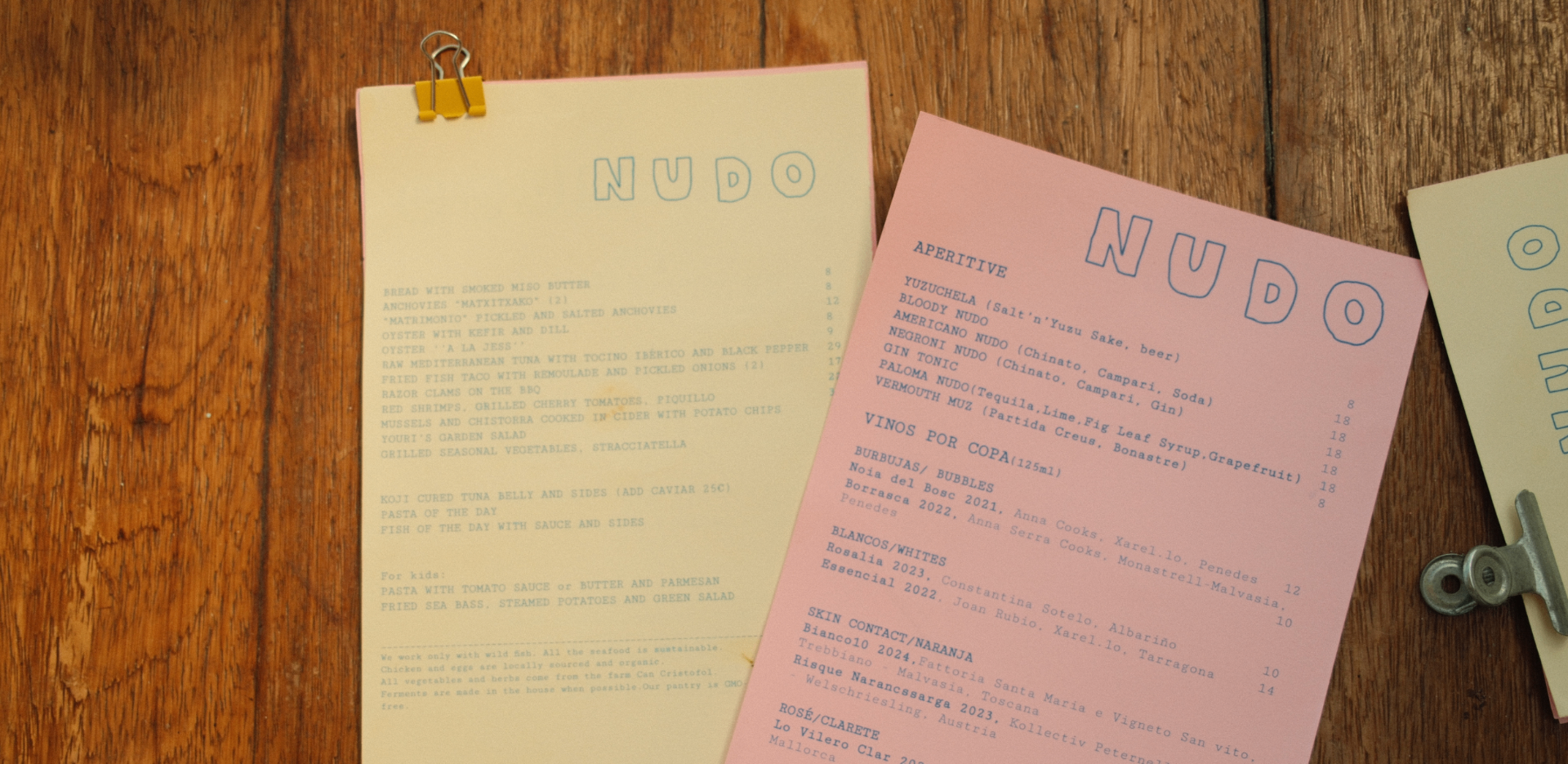
Read the table notes →Three Noma alumni — Jessica Natali, Edoardo Fiaschi, and José Conde — took over a modest beach bar at Es Figueral and turned it into something that needs a reservation. Island seafood, natural wines from small Balearic producers, a kitchen that is more serious than the setting suggests. Feels completely casual. Is not.
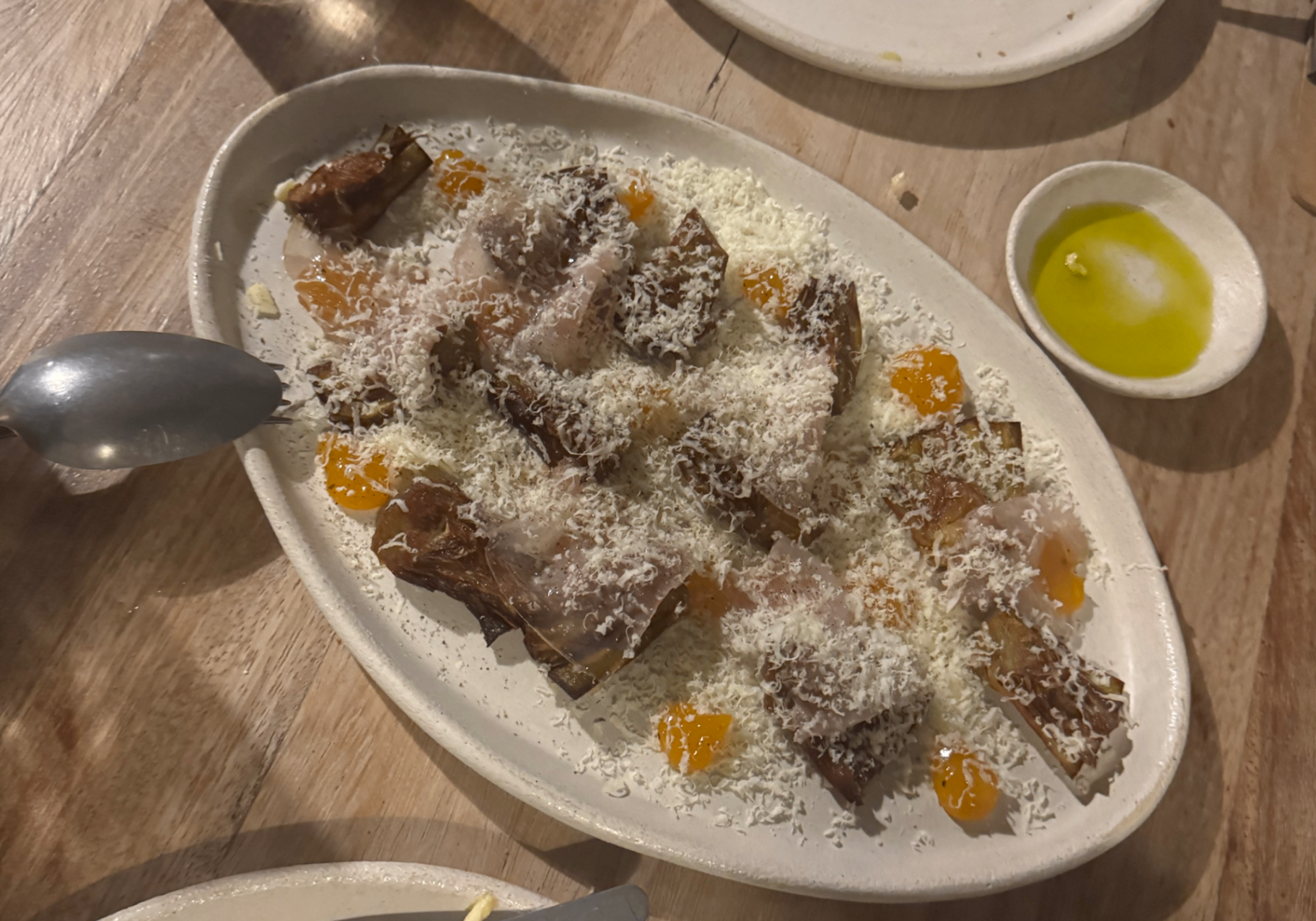
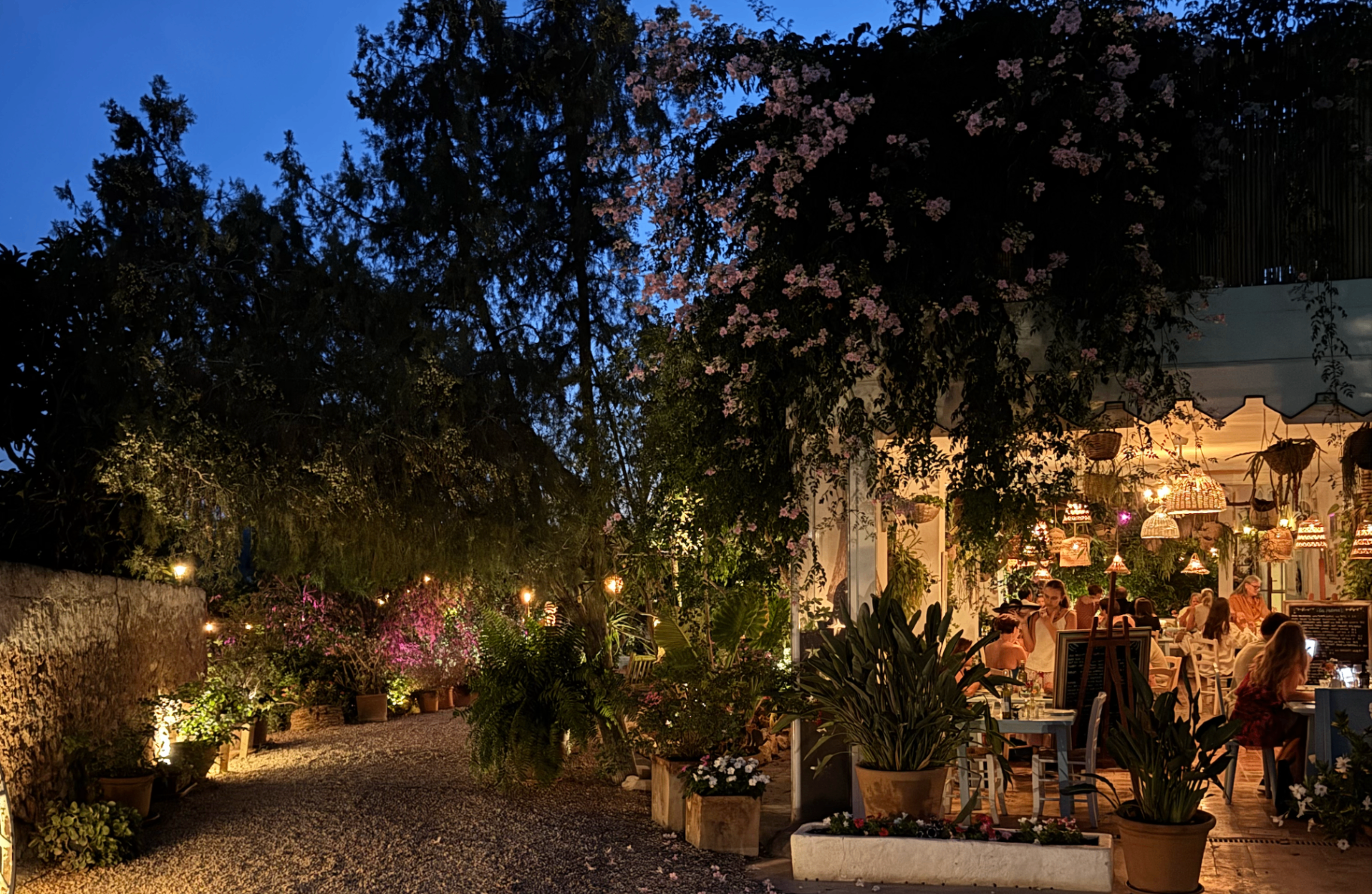
Read the table notes →Drive into the interior. Eat in the garden under the night sky. The menu arrives on a rolling trolley — everything on it is worth ordering. Italian-inspired, Ibizan in spirit, twenty years old and still not on enough itineraries. Sit outside if you can.
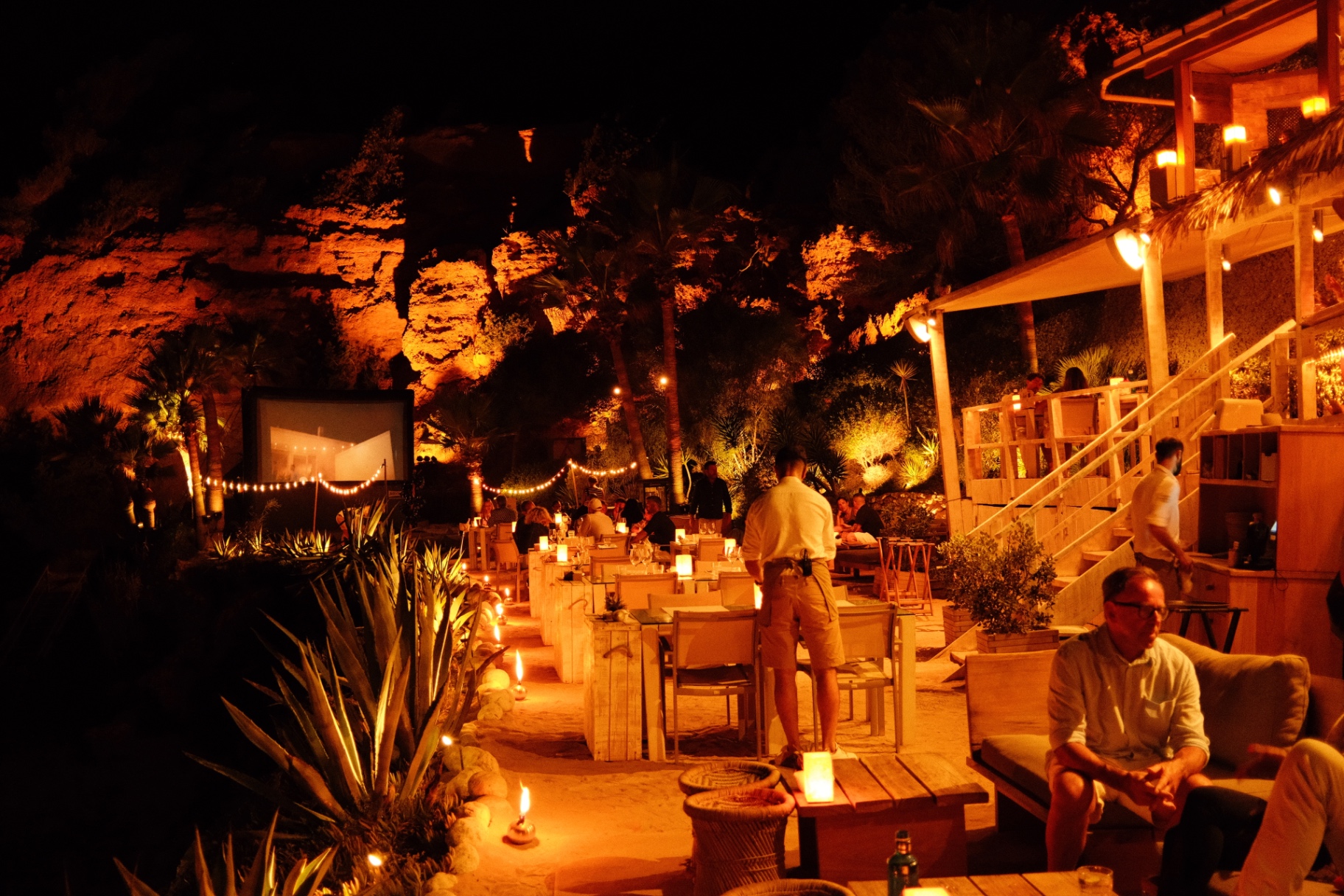
Read the table notes →Perched on the cliffs at Sol d'en Serra, with panoramic views over the water toward Formentera. Modern Mediterranean cooking that earns the setting. Ideal for dinner as the light changes. The private cliff dining option is as romantic as it sounds.
Read the table notes →Every table booked. Every bill paid.