The Twentytwo
MAYFAIR · FROM £450/NIGHT
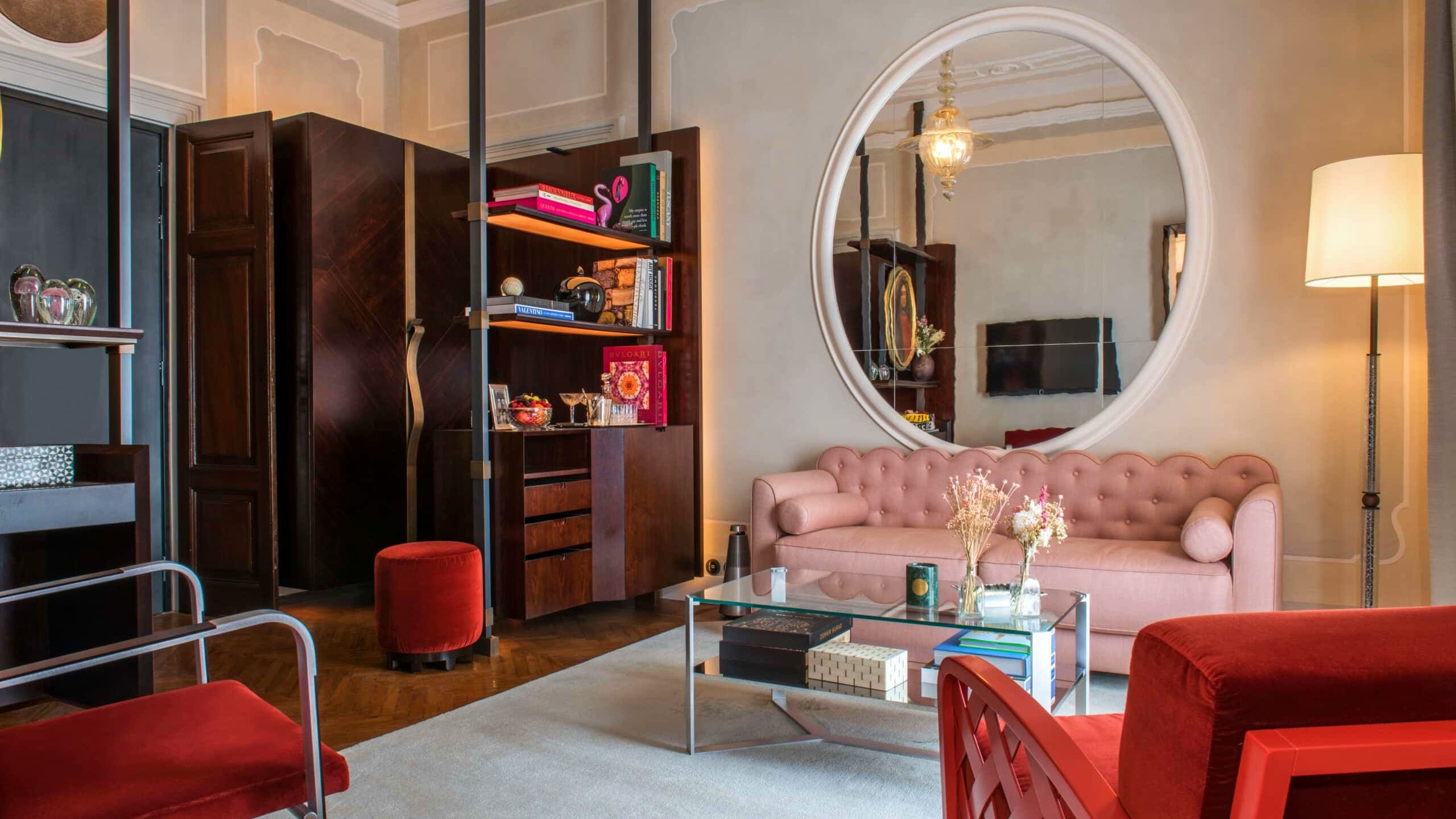
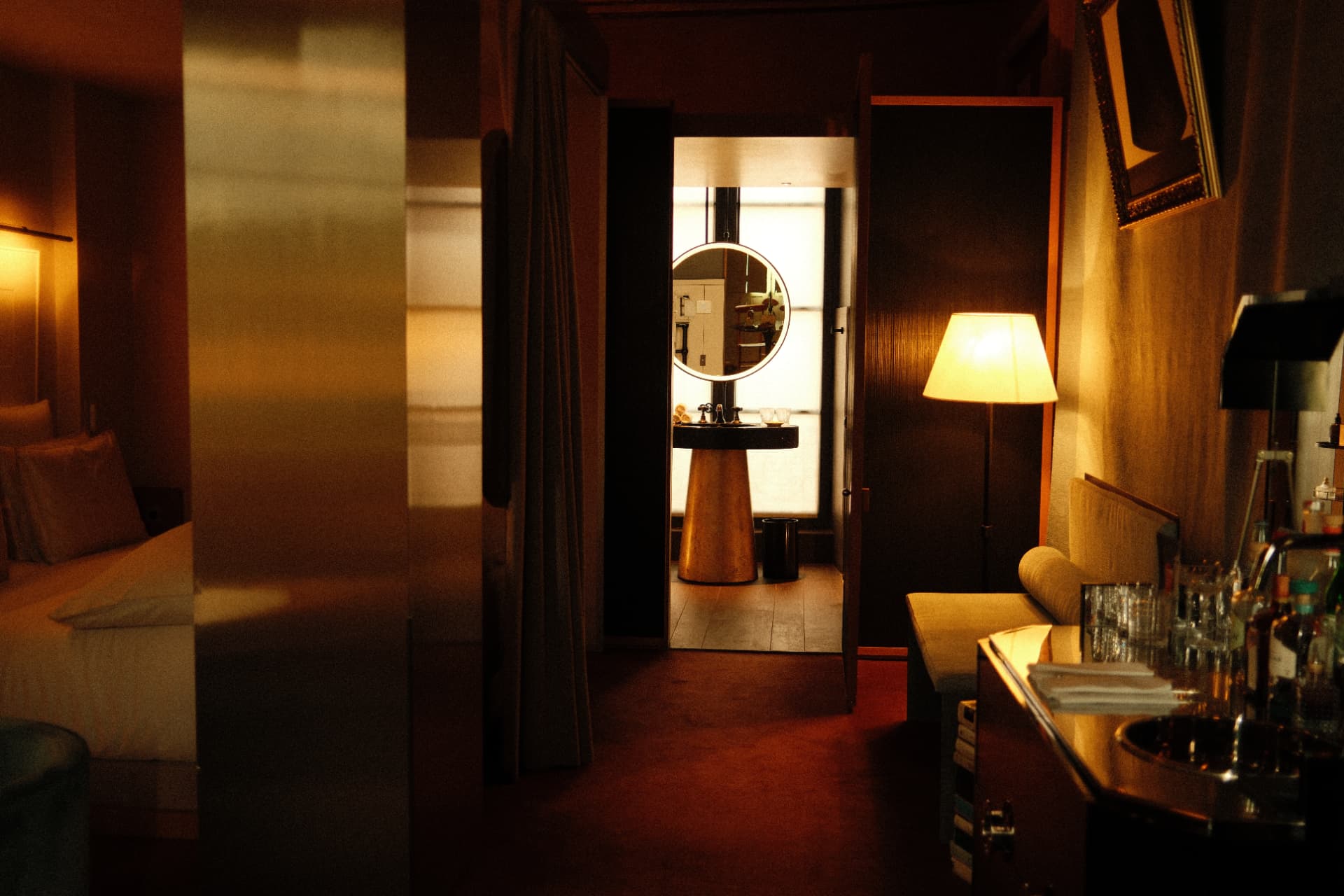
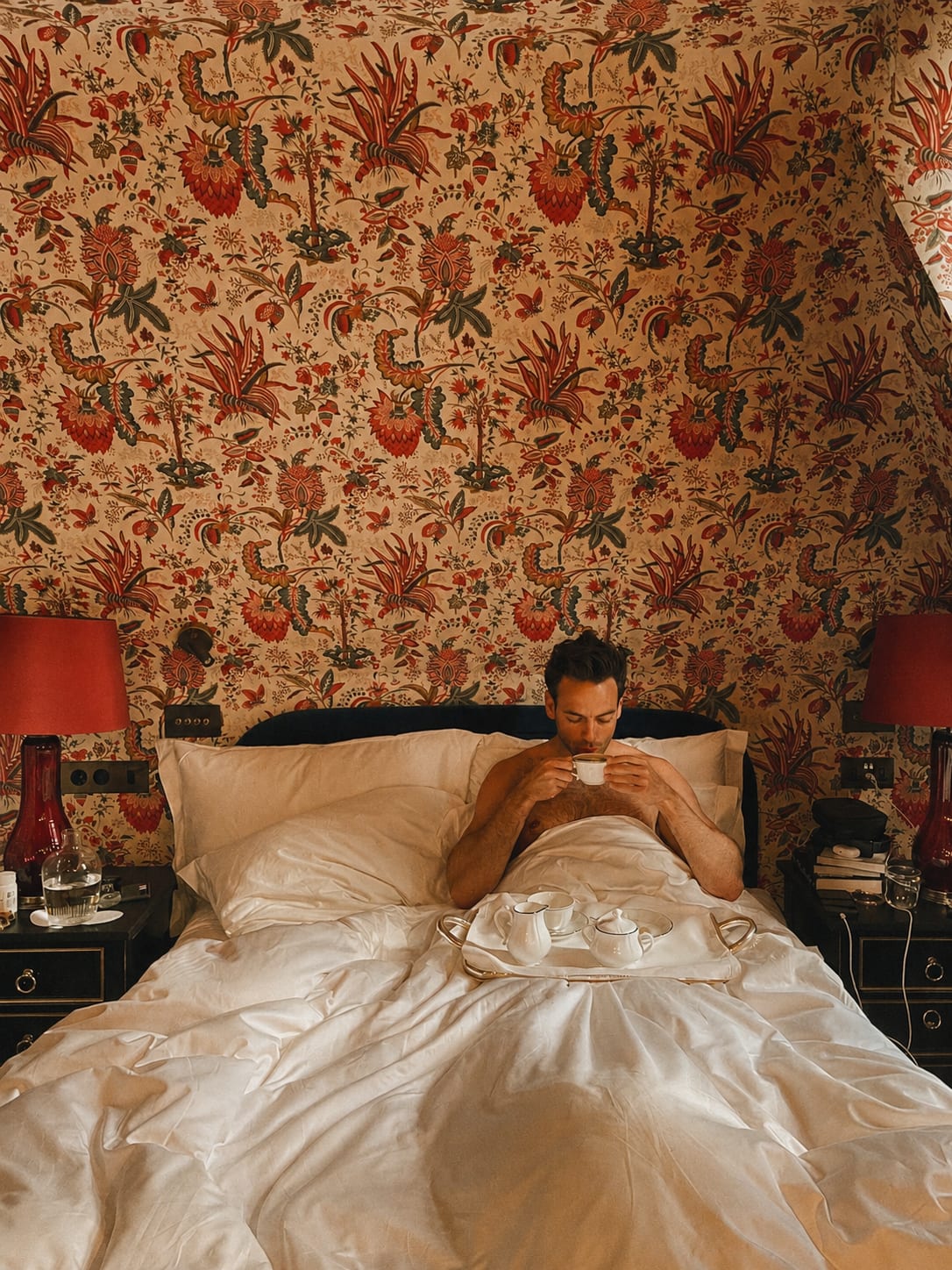
Twenty-two rooms. That is it. The smallness is entirely the point — it feels like staying in someone's very well-appointed townhouse. The bar is one of the better rooms in Mayfair.
Read the full review →London rewards the person who stops trying to see everything. The tourists are queuing for the Tower. The person who knows is having a late breakfast at Maison François.
By Albert & Nouri Beesemer — independently visited. No sponsored placements. Ever.
Download Wheely before you land. A nice black car at reasonable prices — the correct way to move around a city this size. The tube knows what it is and is useful, but it is not the way to arrive at The Twenty Two.
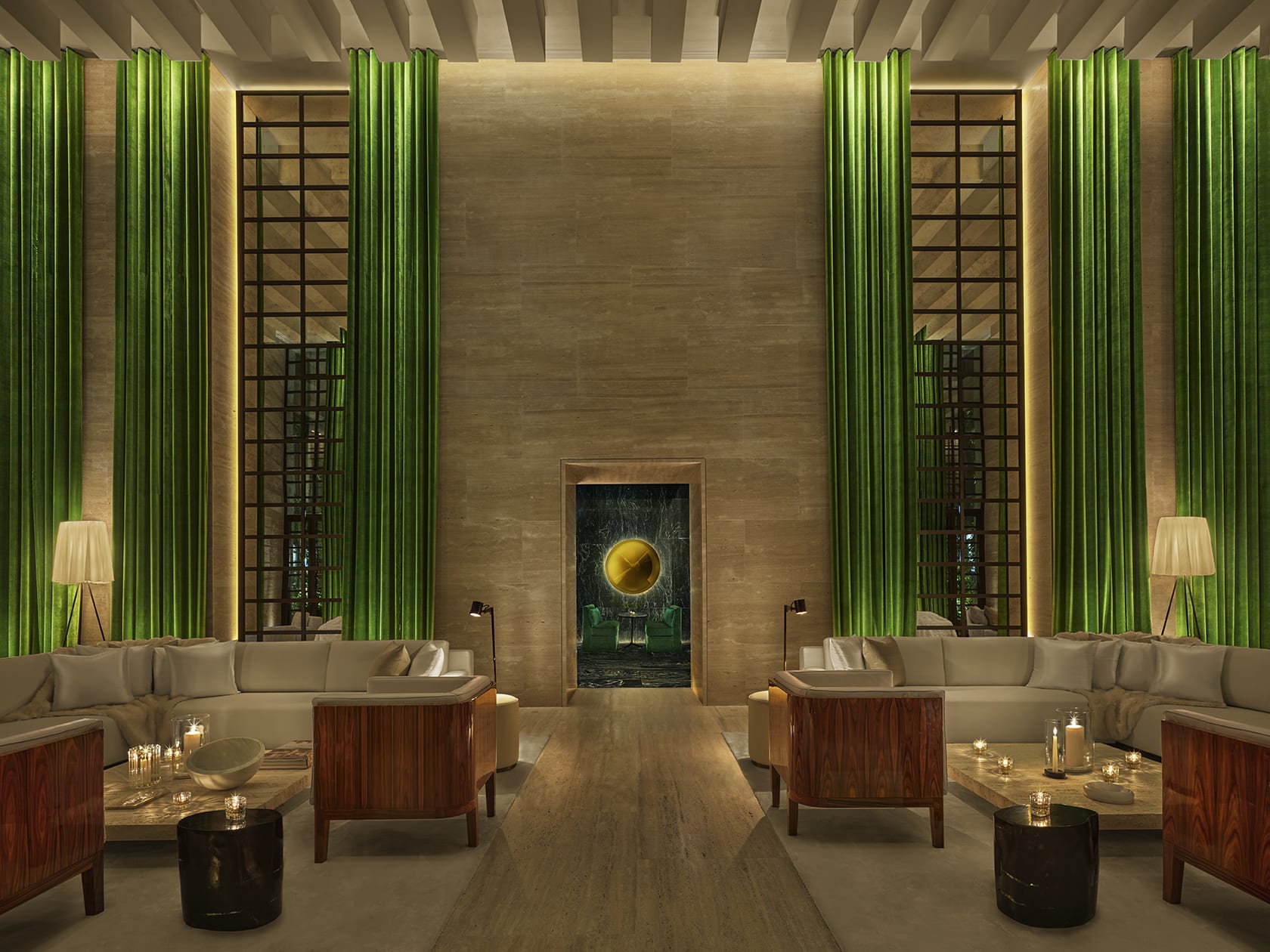
Stay at The Twenty Two or The London Edition. Twenty-two rooms in Mayfair that feel like someone's very well-appointed townhouse — the bar is one of the better rooms in the neighbourhood, the service remembers what you ordered last time. The Edition on Berners Street is the alternative: the lobby is the room everyone wants to be seen in and the rooms deliver on what the public spaces promise.
Your first night, do not leave the hotel. The Twenty Two restaurant is the right level of good for when you are tired and have not yet switched time zones. Order whatever the kitchen is running.
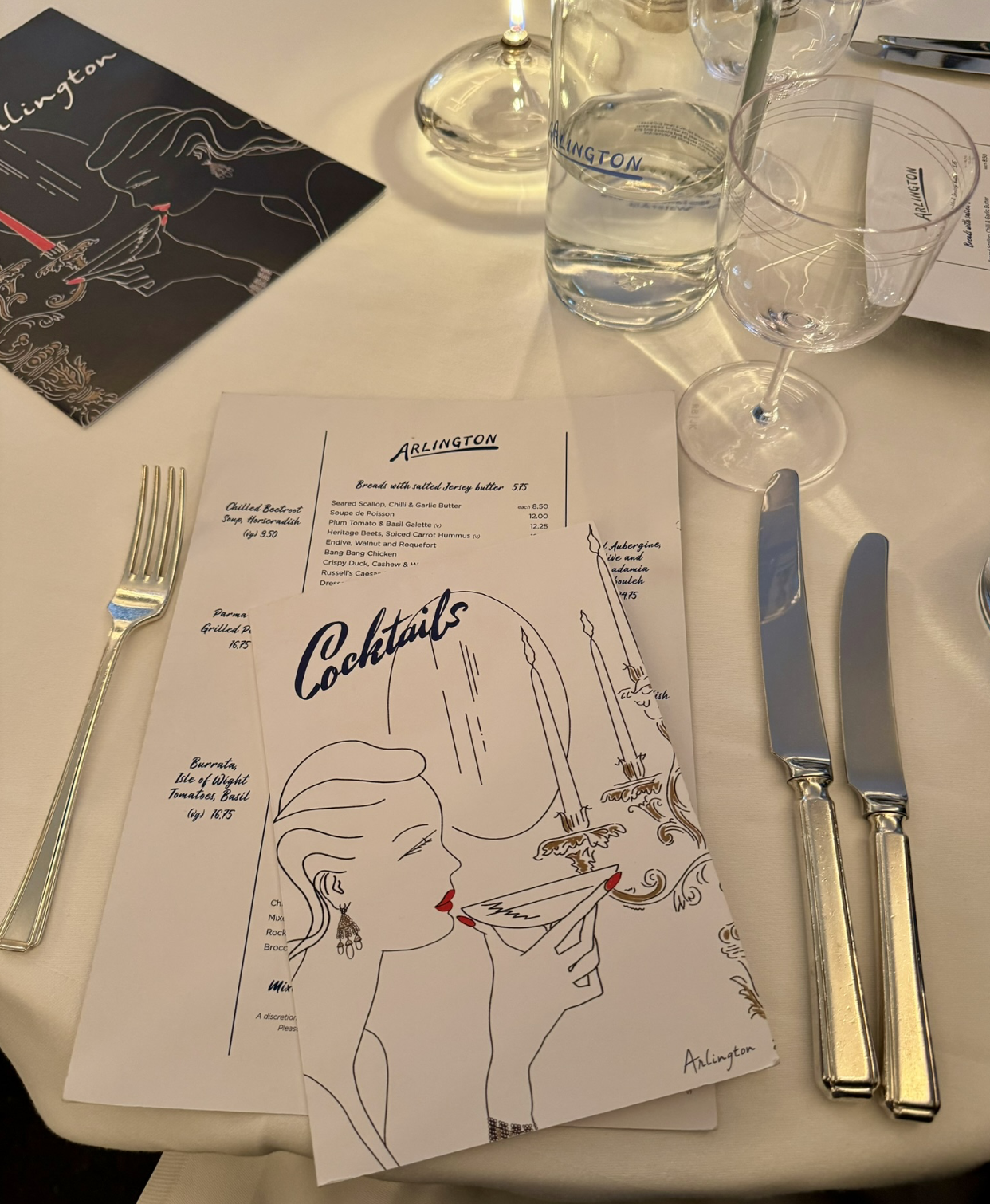
After that: Arlington in Mayfair. My top pick in London right now. The kind of room that makes you want to dress for dinner and mean it. Isabel Mayfair is next — one of the better-looking dining rooms in the city, and the food earns it. For lunch, Chiltern Firehouse has a garden that earns the journey — book it before anything else.
Shopping: Liberty first, even if you intend to buy nothing. Take the elevator to the top and walk every floor down — each one is worth it. Daunt Books in Marylebone if books are part of your trip; the building earns the visit before you look at a single spine. Fortnum & Mason for the tea department specifically — stock up, the tins travel well. Walk Burlington Arcade after — it is not what it once was, but Peal is still there, and E. Marinella at the far end has the best men's ties and swimwear in London. Stop into Assouline on the way out: one of the larger stores by the publisher, genuinely beautiful, worth a half hour even if you leave with nothing.
Twenty-two rooms. That is it. The smallness is entirely the point — it feels like staying in someone's very well-appointed townhouse. The bar is one of the better rooms in Mayfair.
Read the full review →
Ian Schrager's London property sits at the meeting point of Soho, Fitzrovia and the West End. Rooms smaller than you expect and better than you hope. The Punch Room bar is the reason to stay in even when you don't want to.
Read the full review →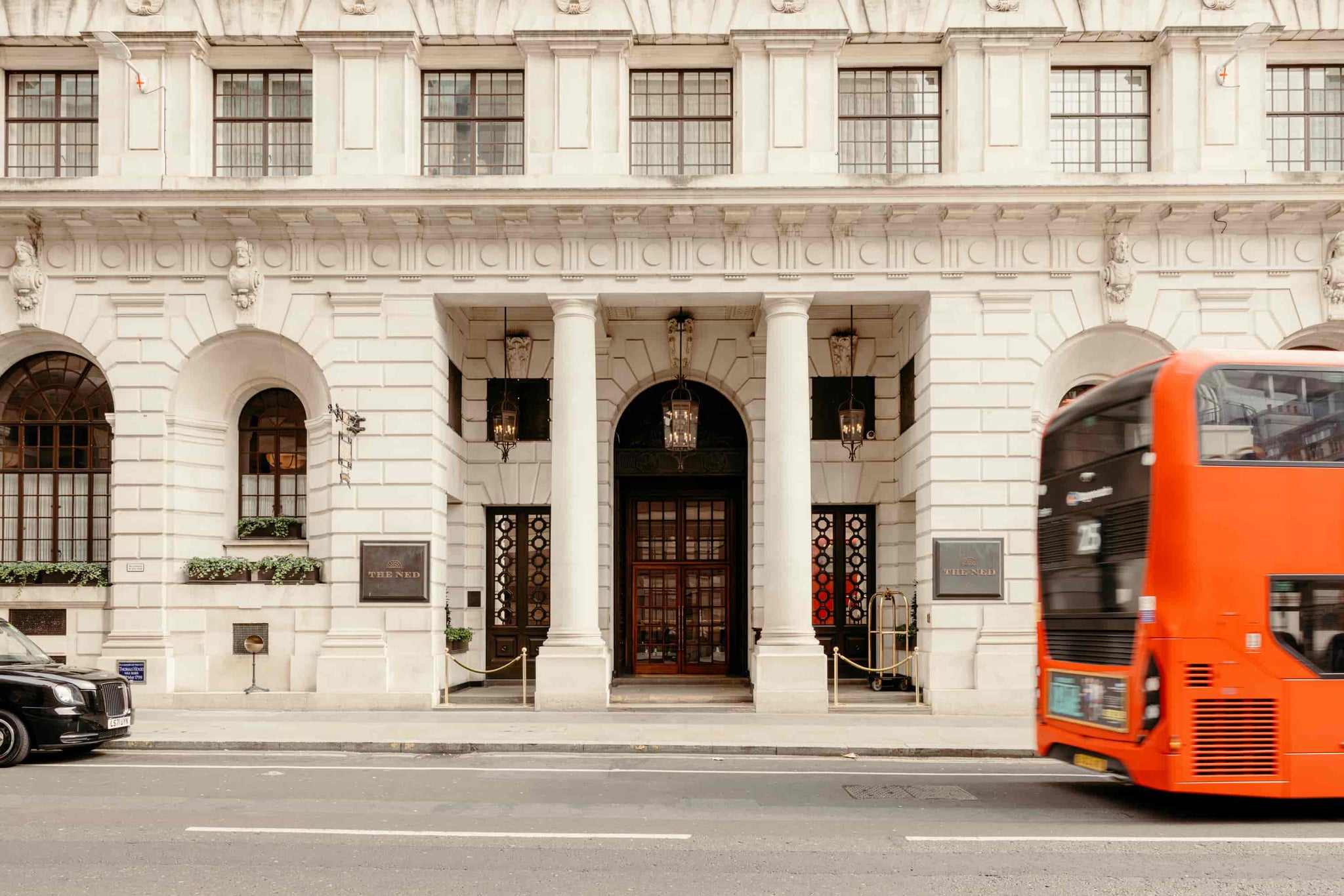
A Lutyens-designed former bank building converted into a hotel of extraordinary scale. Numerous restaurants beneath a soaring banking hall, live jazz at the center of the room, Soho House on the rooftop.
Read the full review →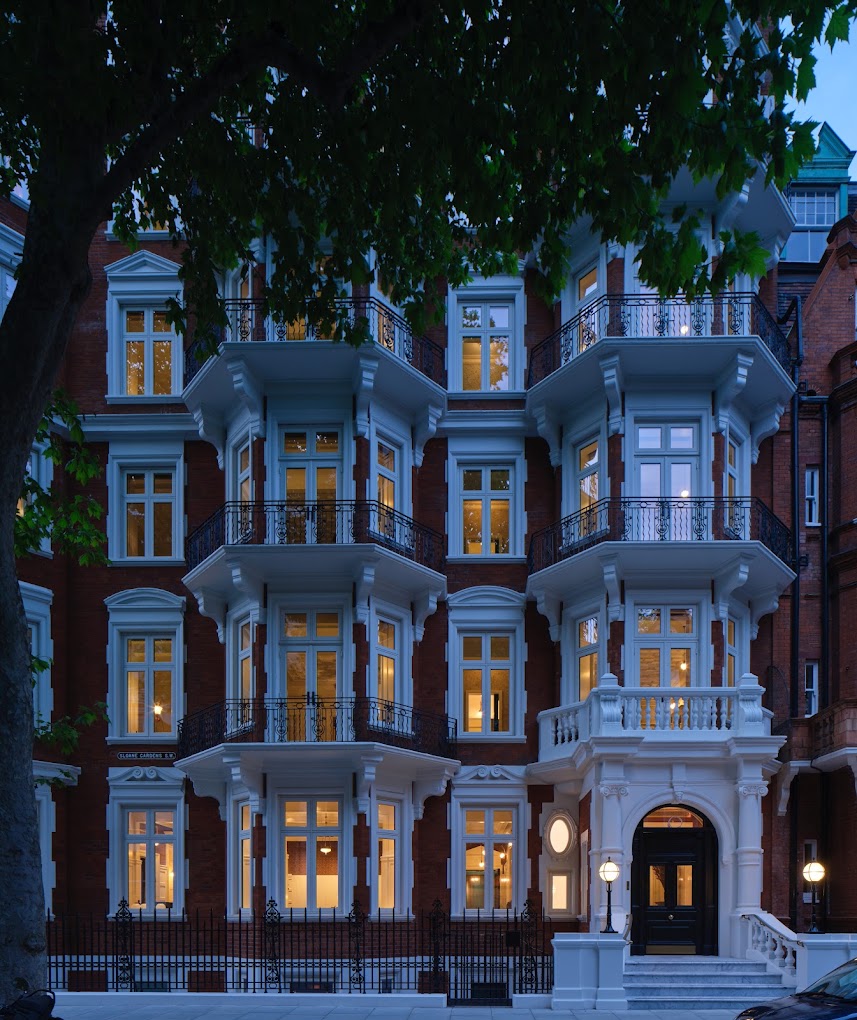
The Costes brothers have a gift for making a new hotel feel like it has already been there a decade — and At Sloane is exactly that. Already the coolest address in its corner of Chelsea, as settled and essential as if it had opened years ago. The right base for anyone whose London centers on Sloane Square and the King's Road.
Read the full review →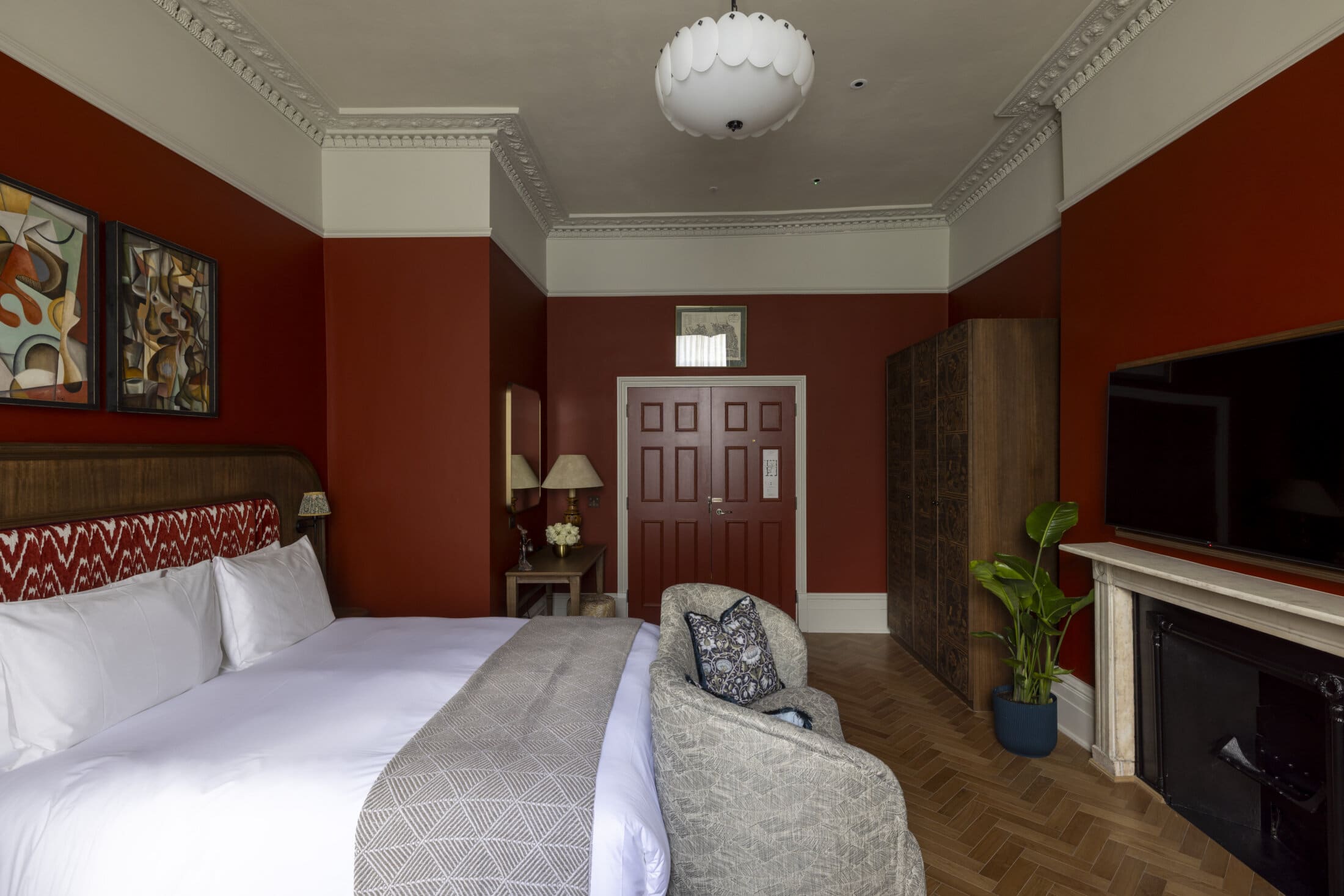
A beautifully considered small property in Chelsea — the kind of hotel that operates more like a private house than a conventional hotel. Specific, personal, very Chelsea.
Read the full review →Hyde Park on one side, the best of Knightsbridge on the other. Opened recently and already feels like it's been there for decades — the highest compliment you can pay a London hotel.
Read the full review →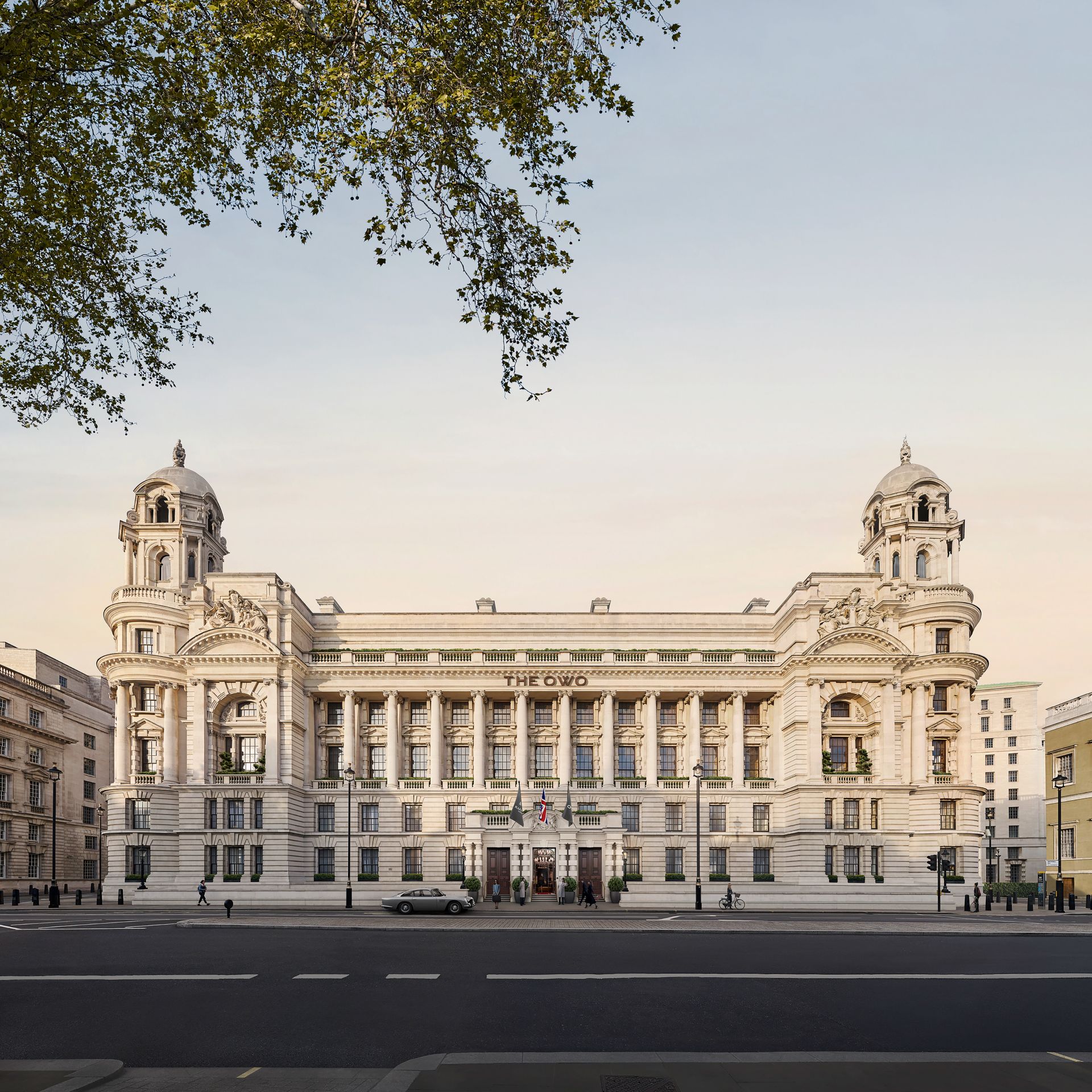
The former Old War Office, converted with the kind of care that makes you forget you're in a government building. Twelve restaurants and bars, a Guerlain spa, and an address that makes even Londoners slightly envious.
Read the full review →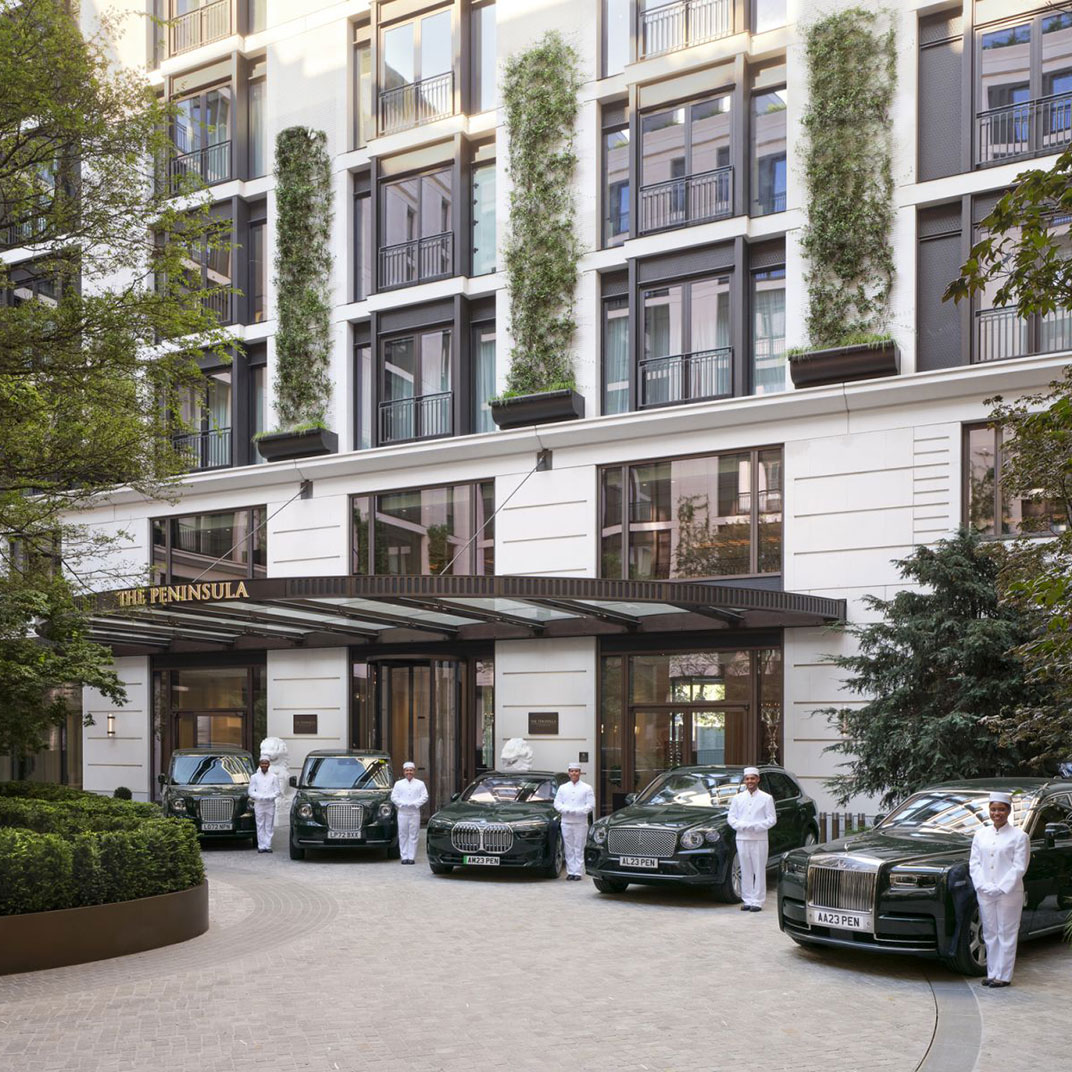
The Kadoorie family planned a London Peninsula for decades before finding the right address — Hyde Park Corner — and built it with a $1.3 billion budget and the group's characteristic no-bridge-too-far approach to hospitality. The result is a knockout hotel: an extraordinary address, exceptional service, the full Peninsula standard transplanted to London. Peter Marino's design is not, in our view, his strongest work. The hotel earns its standing through everything else.
Read the full review →Claridge's slightly more low-key sister property, which makes it no less excellent. The Connaught also worked with Bryan O'Sullivan Studio — most recently on the famous Red Room renovation — and the result is a grand dame that keeps up with the cool kids. Both properties, along with The Emory, belong to the Maybourne hotel group, under whose stewardship they've maintained their standing among the world's best. The Connaught Bar remains one of the great hotel bars in Europe.
Read the full review →Arguably London's most iconic address, and in many ways its definitive grand dame. Unlike many grand dames, this one hasn't rested on its standing — in collaboration with Bryan O'Sullivan Studio, the Restaurant, the Painter's Room bar and several suites have all been beautifully updated. The art deco bones remain intact. The execution keeps up with the moment.
Read the full review →
The former In and Out Military Club — a Grade I-listed Georgian mansion transformed by Jean-Louis Deniot. 102 rooms, two pools, a private members club, an open-air jasmine courtyard.
Read the full review →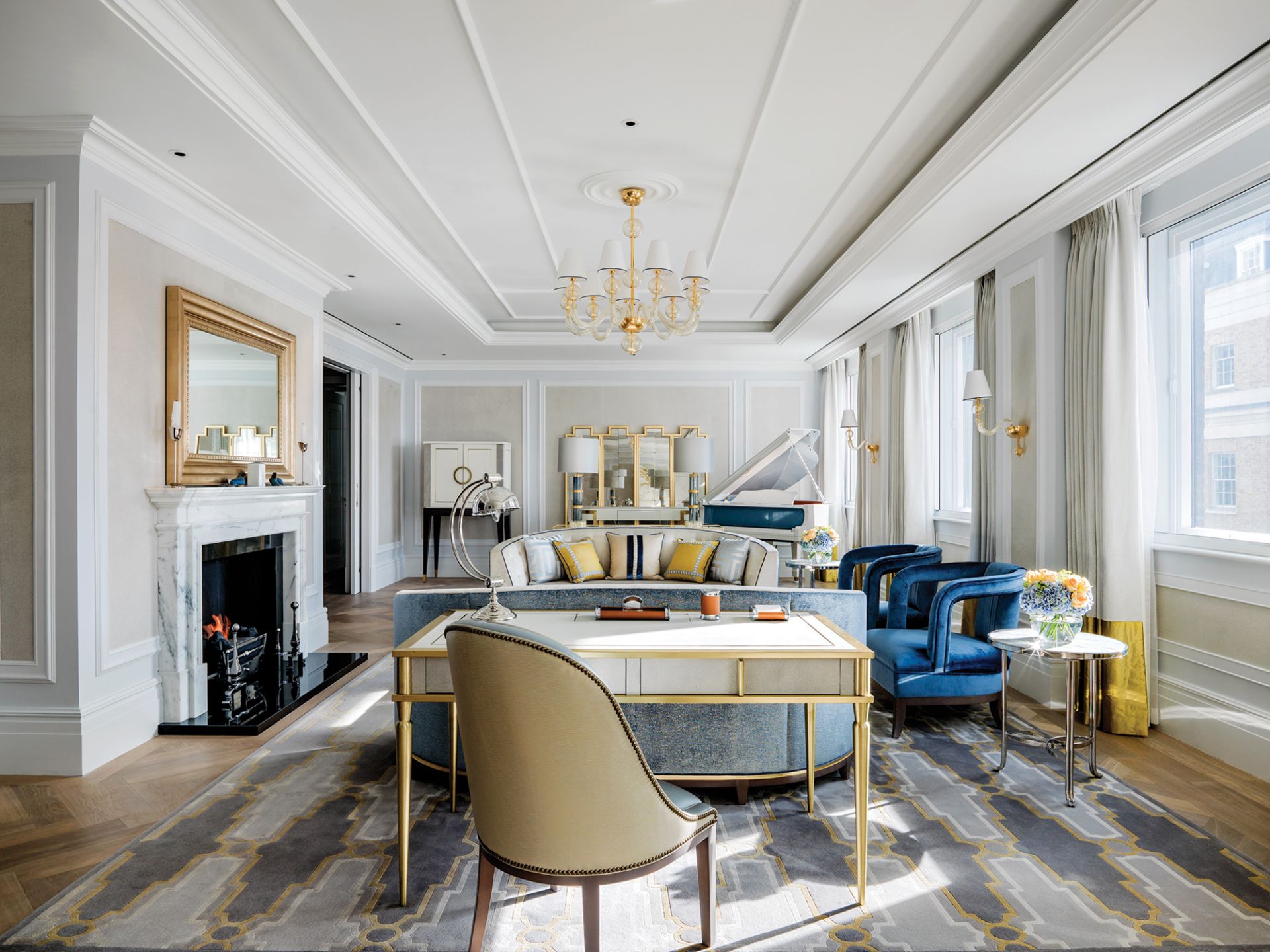
The Langham brand is, broadly speaking, stale. The London property is the exception. The location is genuinely central, the design is interesting and beautiful, and the Artesian Bar — four-time winner of World's Best Bar — means the F&B alone earns the recommendation. The Palm Court afternoon tea is one of the great London rituals.
Read the full review →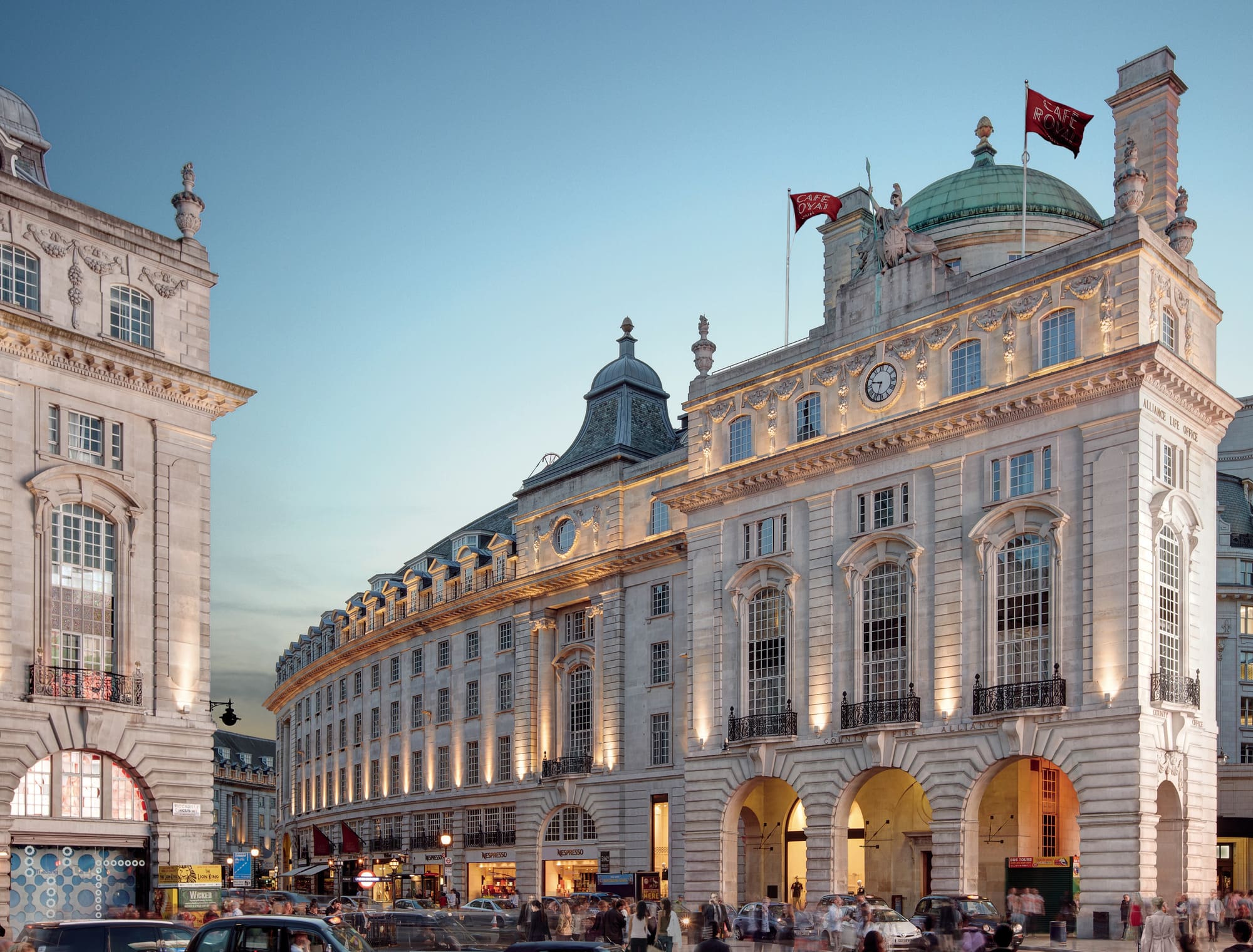
A Grade I-listed Piccadilly landmark restored by David Chipperfield. The Ten Room spa and the Domino private members club are the reasons regulars return. The Grill Room, where Oscar Wilde held court.
Read the full review →Rosewood's London property in the former US Embassy on Grosvenor Square — a brutalist masterpiece converted with extraordinary care. The spa is one of the largest in London.
Read the full review →Seven restaurants, personally. The ones worth going back for.
The room is the point — a beautifully composed dining room in St James's that feels like it has been there forever. The cooking earns its place alongside the setting.
Read the table notes →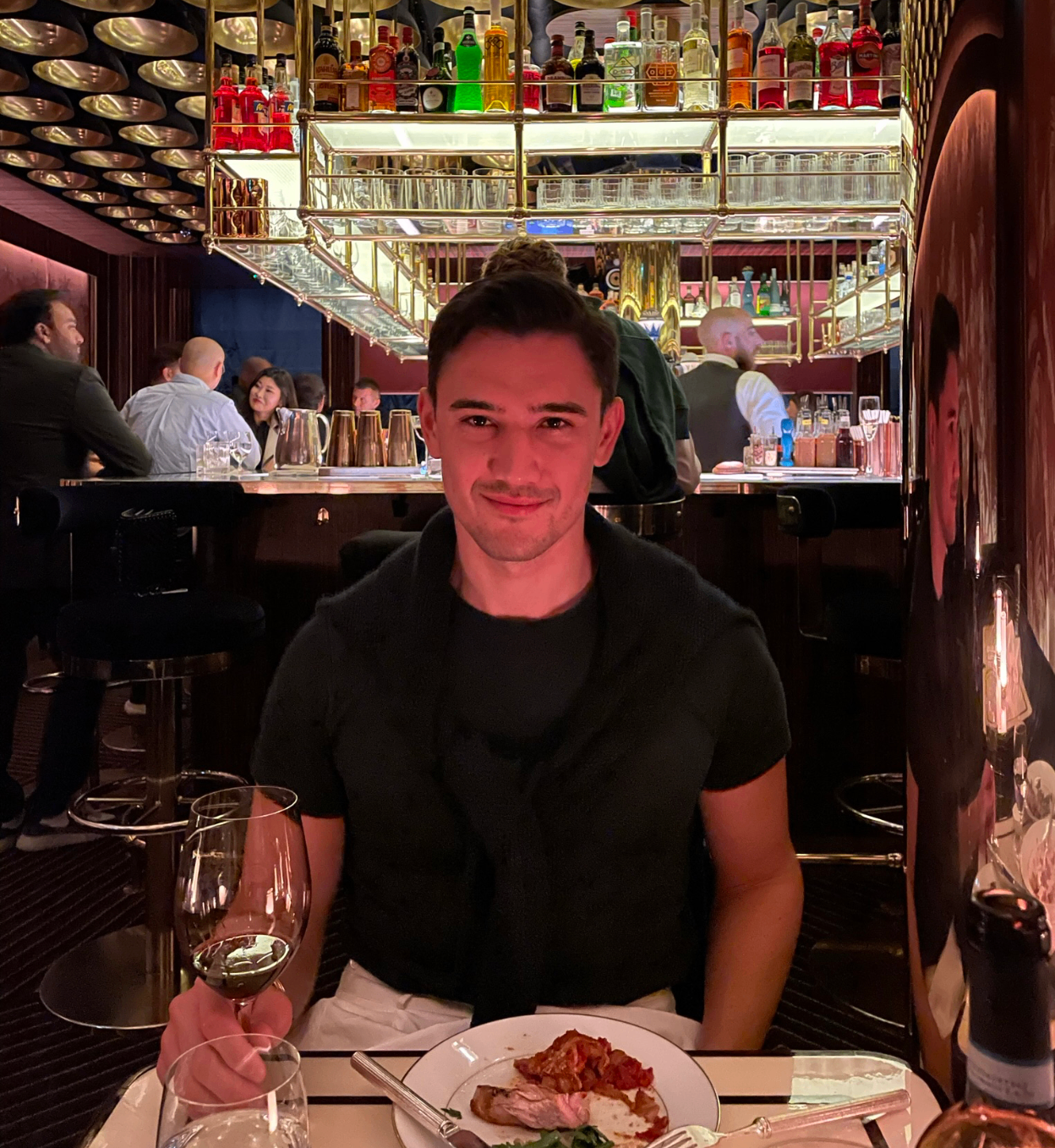
A reliable Mayfair address with a strong Mediterranean kitchen and the kind of crowd that makes the room feel alive. The right choice when you want something dependable and good.
Read the table notes →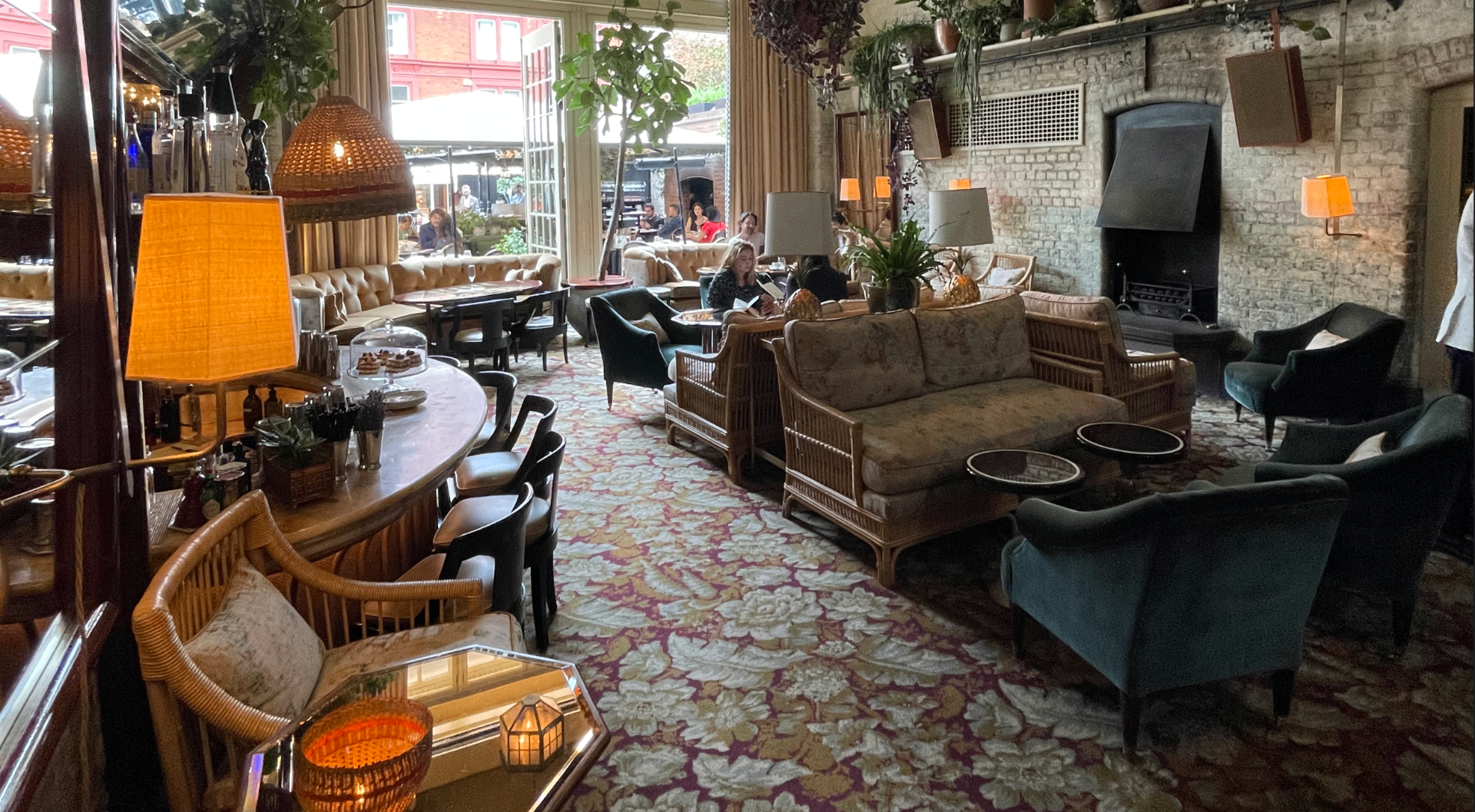
Still one of the most reliably good rooms in London — the Firehouse has kept its standing long past the point when most restaurants in its category have slipped. Come for lunch.
Read the table notes →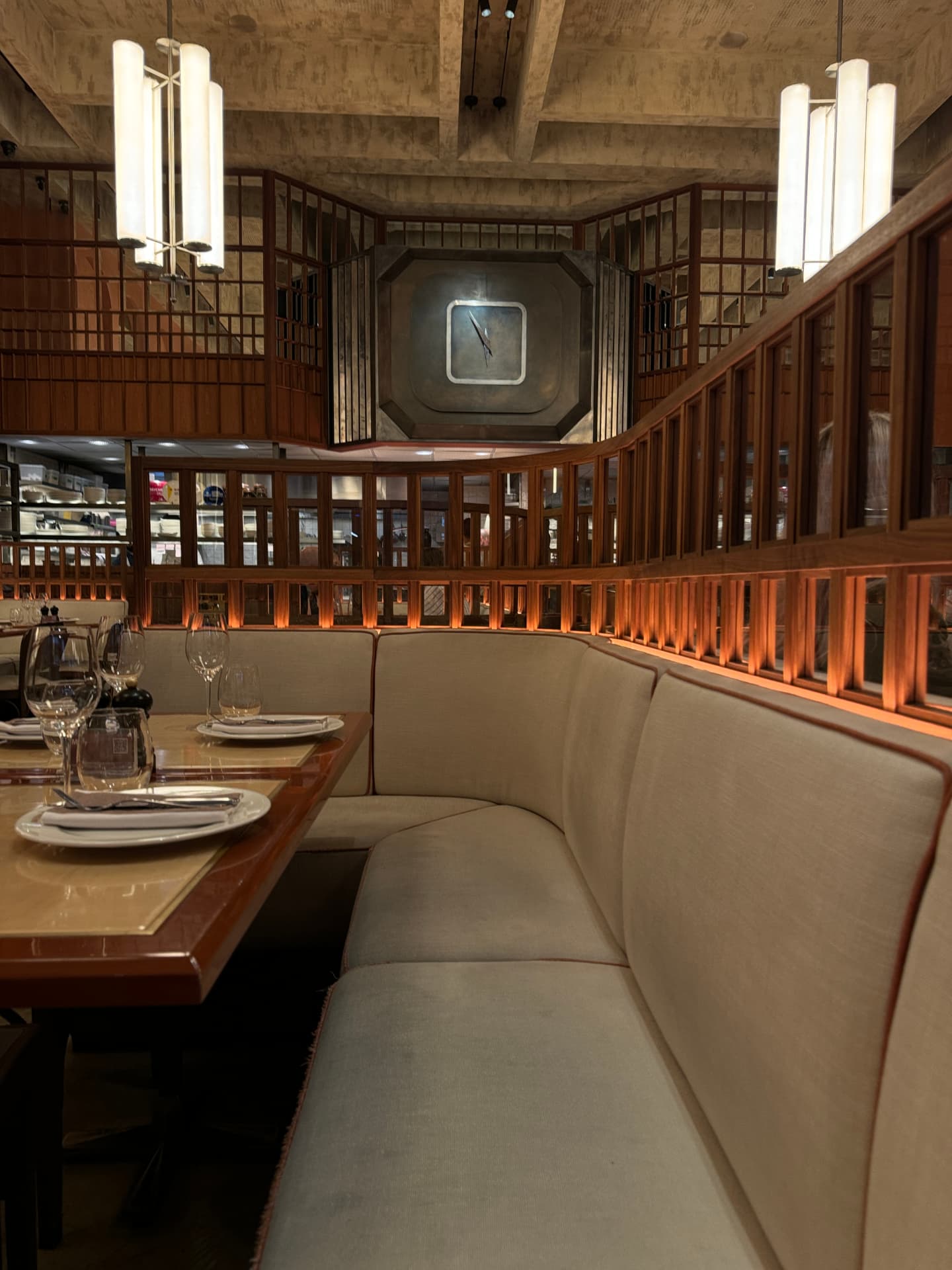
A very good French brasserie in St James's that does the classics without apology. The wine list is the thing. The room is pleasant, the food is correct, and the whole thing works.
Read the table notes →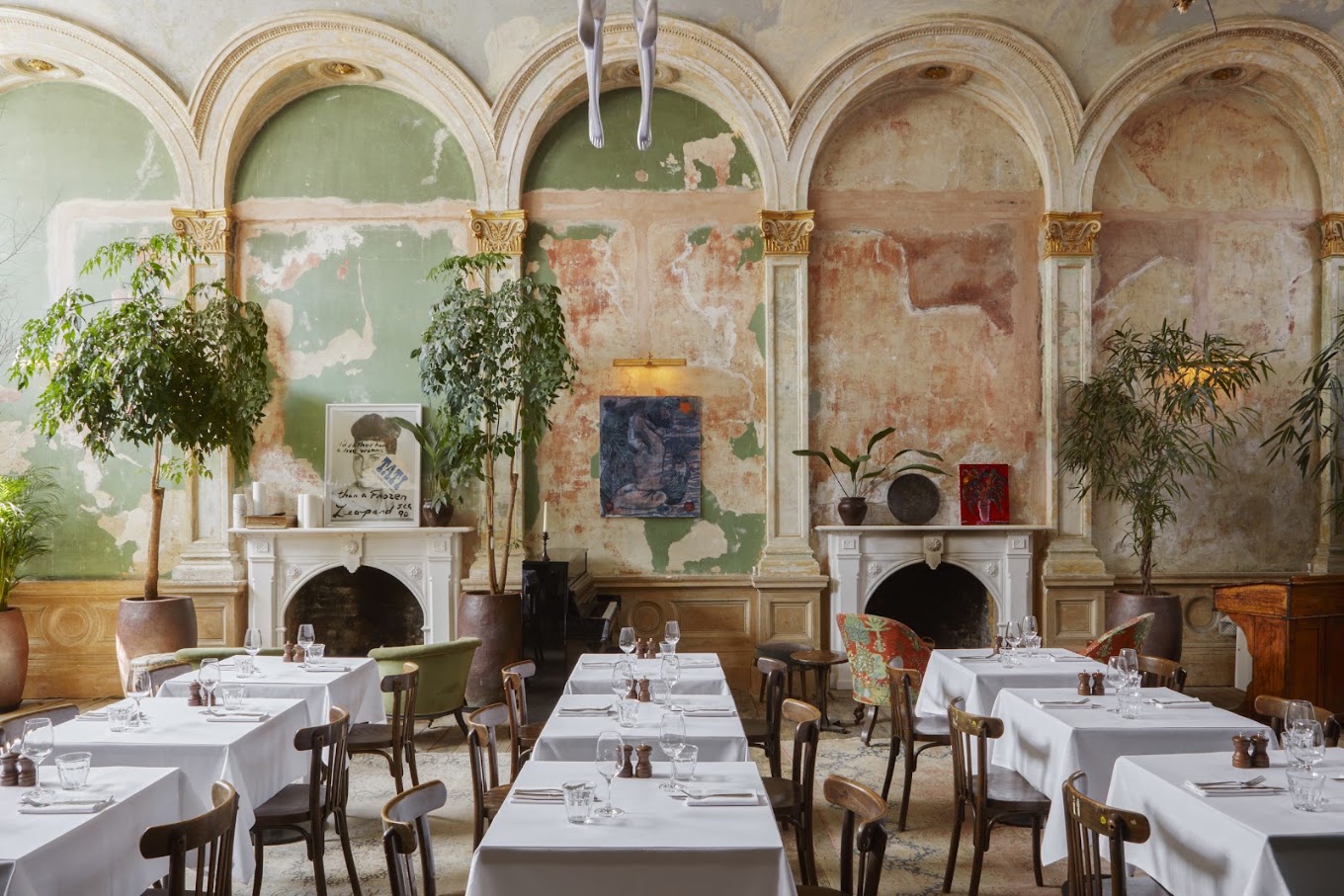
Housed inside the Old Sessions House — a former courthouse converted into something between a restaurant and an art installation. The food is good, but the room is the reason to go. Book ahead. It is a hard reservation.
Read the table notes →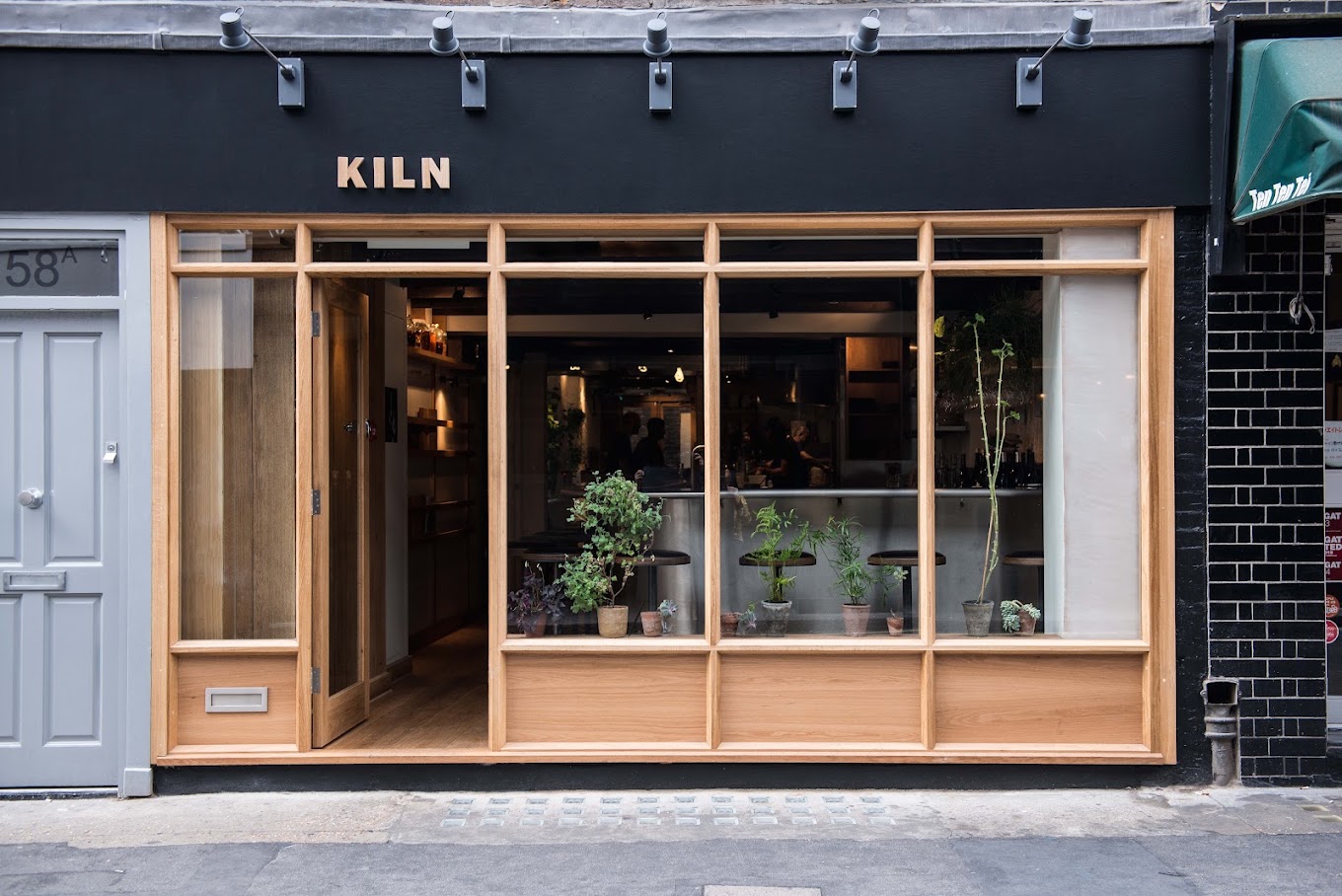
Live-fire cooking, no reservations for the counter seats — get there early and sit at the bar facing the kitchen. It is loud and cramped and completely right.
Read the table notes →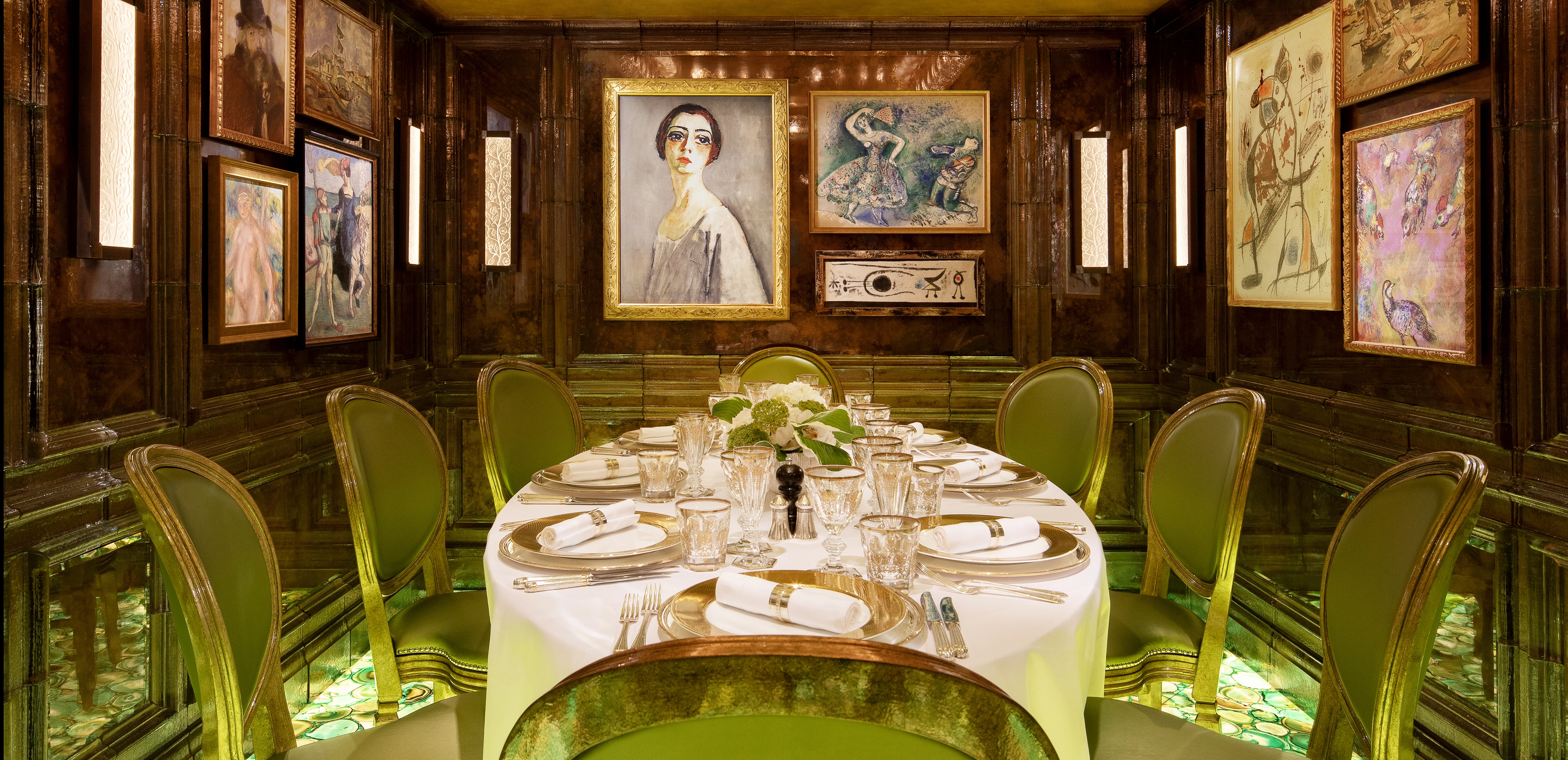
Established 1851 and still the most reliably excellent seafood restaurant in the city. This is old London behaving exactly as old London should.
Read the table notes →
Two Michelin stars and the most quietly exceptional kitchen in the city. The service is warm in a way that Michelin restaurants often aren't.
Read the table notes →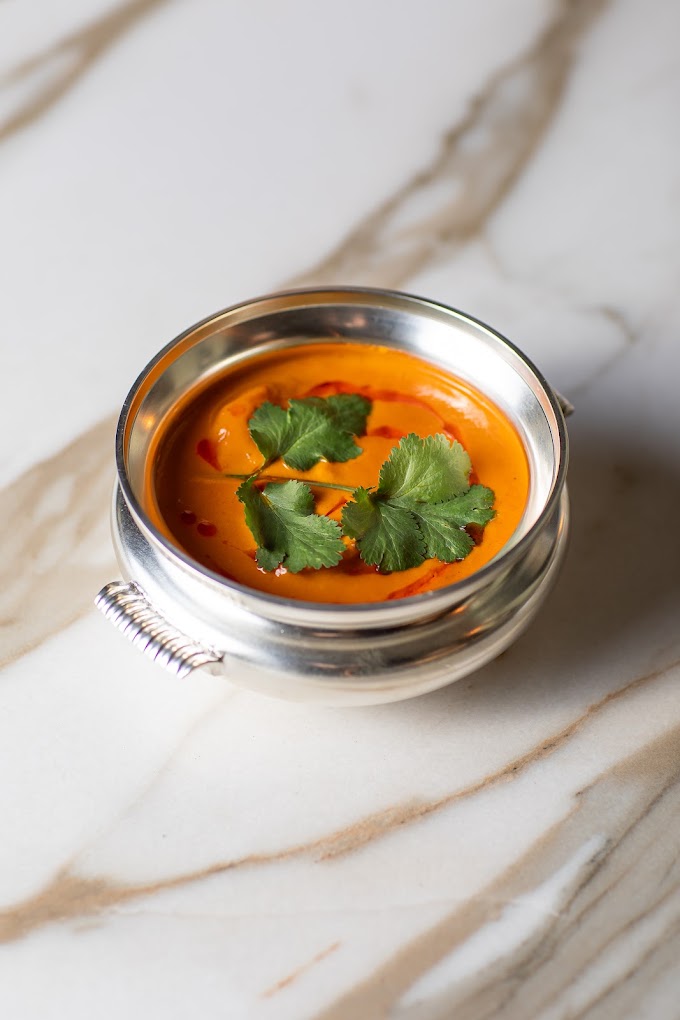
The best Indian restaurant in a city with extraordinary Indian restaurants.
Read the table notes →
Opened 2024 and immediately felt like it had been there for thirty years. Book ahead — the room is small and the word is out.
Read the table notes →
The public-facing sibling of 5 Hertford Street — the room has the same quality, the same crowd, without the membership requirement. One of the better lunches in Mayfair.
Read the table notes →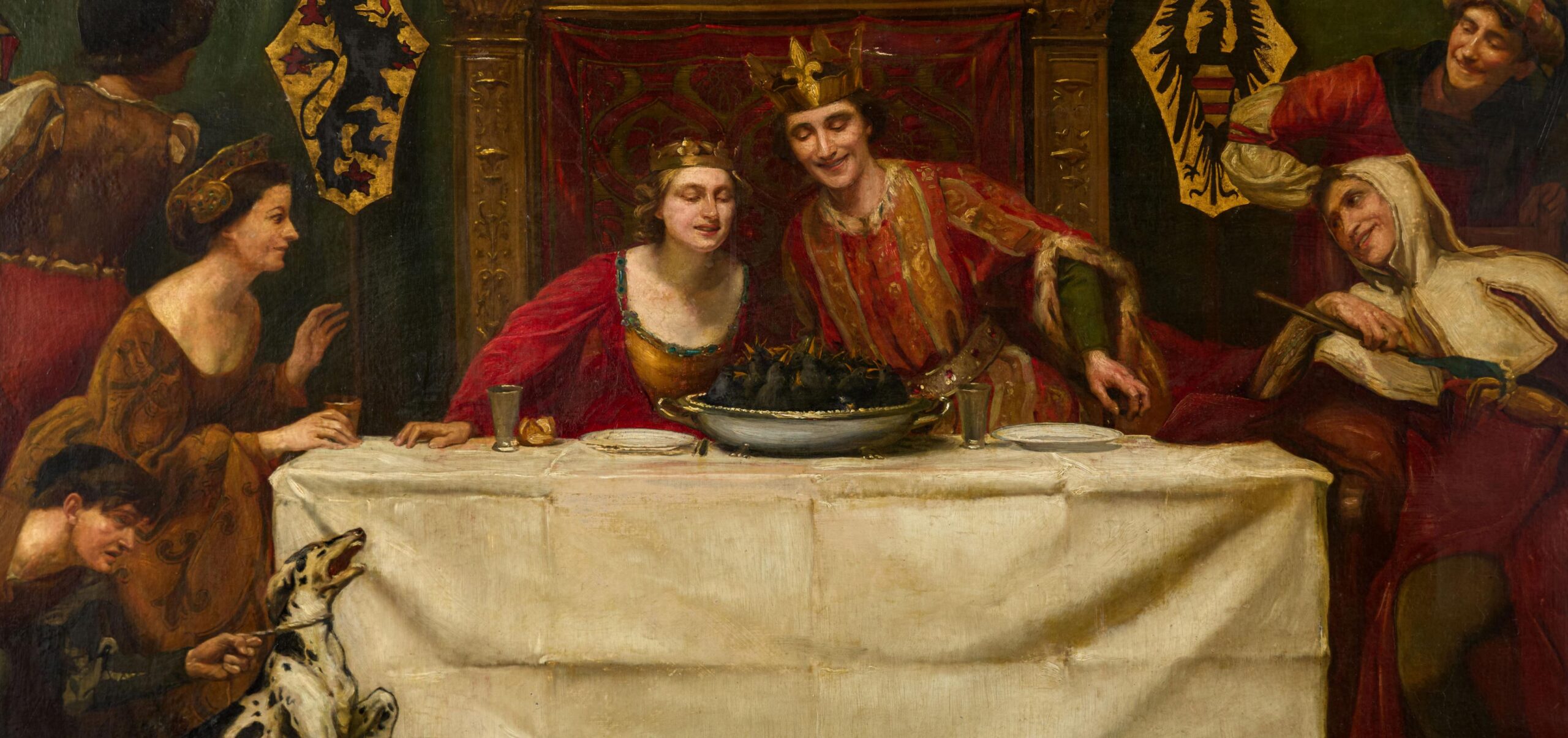
Open since 1828. The grand dining room, the silver-domed trolleys, the roast beef carved at the table. Old London behaving exactly as old London should. Go for Sunday lunch.
Read the table notes →
The best-kept secret inside the least subtle building in London. The café inside Harrods that feels like someone carved out a genuinely good room and hid it among the gift wrap. Go for breakfast or a mid-morning coffee.
Read the table notes →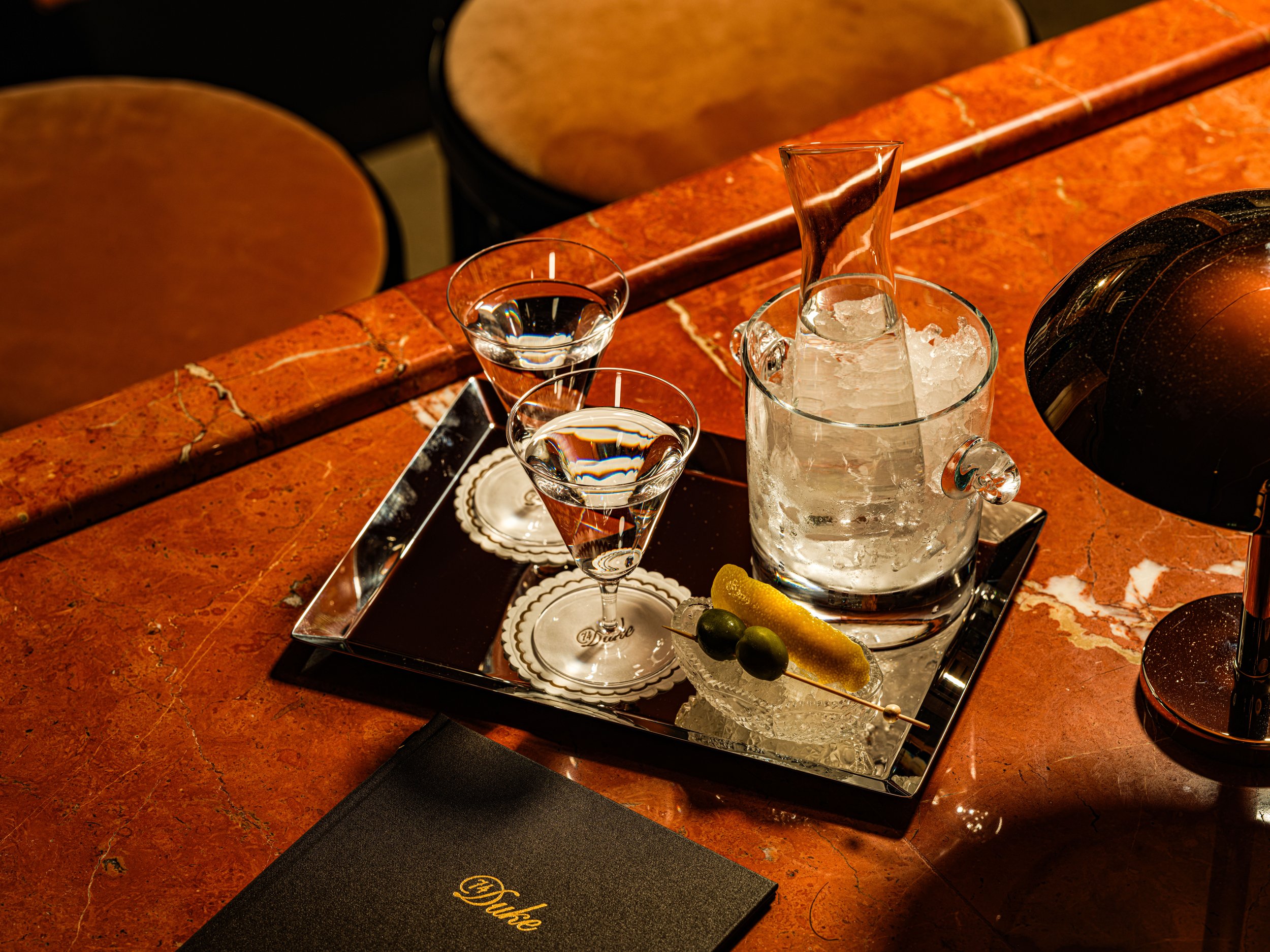
A Chelsea neighbourhood restaurant that does everything right — the room, the wine list, the cooking, the fact that it is full of people who live nearby.
Read the table notes →
The restaurant inside The Lanesborough — one of the most beautiful dining rooms in London. The cooking matches the room. The Sunday lunch is one of the great London rituals.
Read the table notes →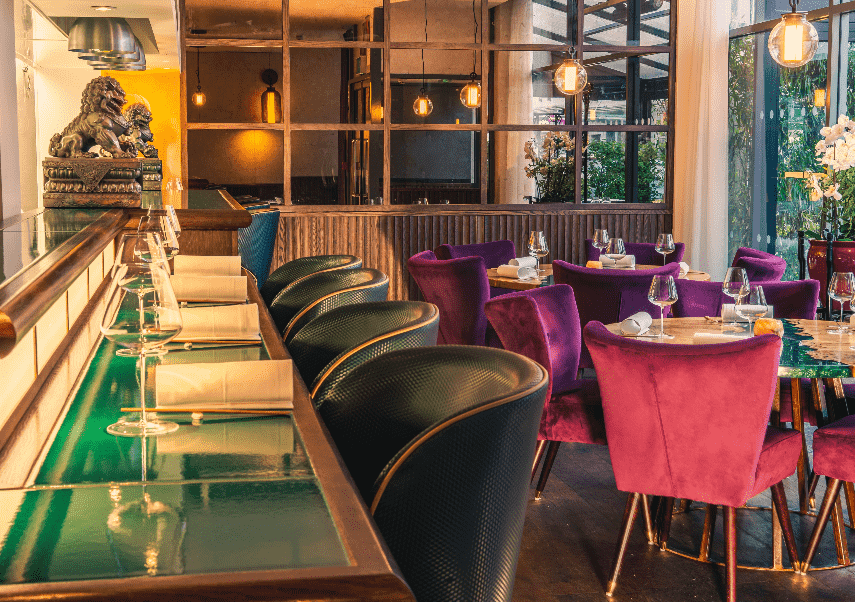
Two Michelin stars and the most serious Chinese kitchen in London. Andrew Wong's tasting menu is one of the great London dining experiences. Book months ahead.
Read the table notes →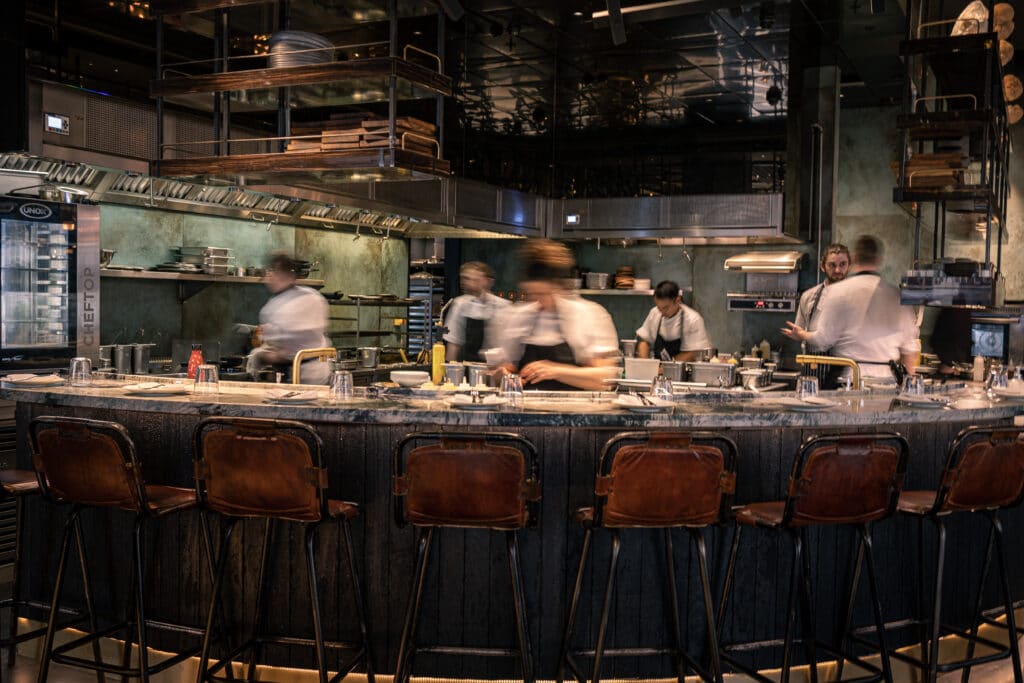
One of the most interesting kitchens in London — sustainable, seasonal, inventive without being precious. The corn ribs. Always the corn ribs.
Read the table notes →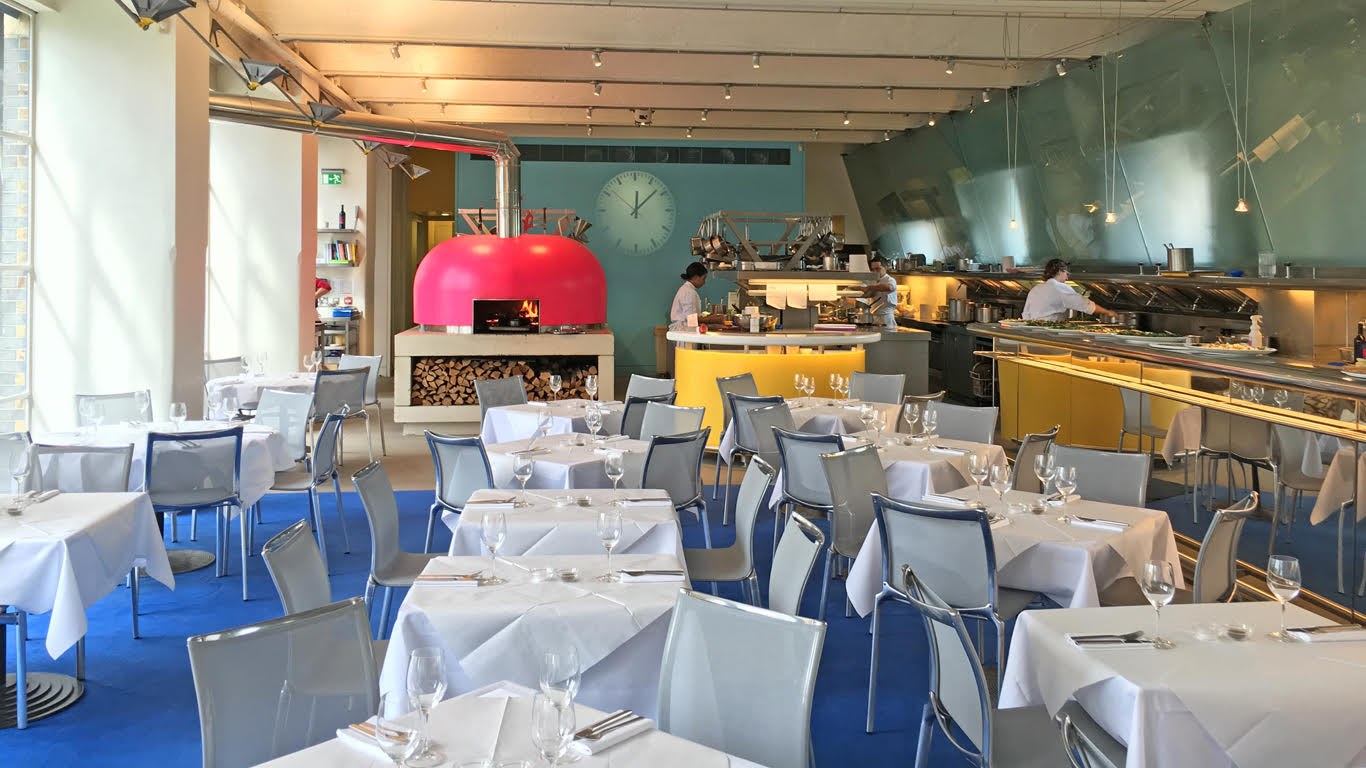
The most important Italian restaurant in London, which it has been since 1987. Rose Gray and Ruth Rogers built something that transformed how England thinks about Italian food. The chocolate nemesis is non-negotiable.
Read the table notes →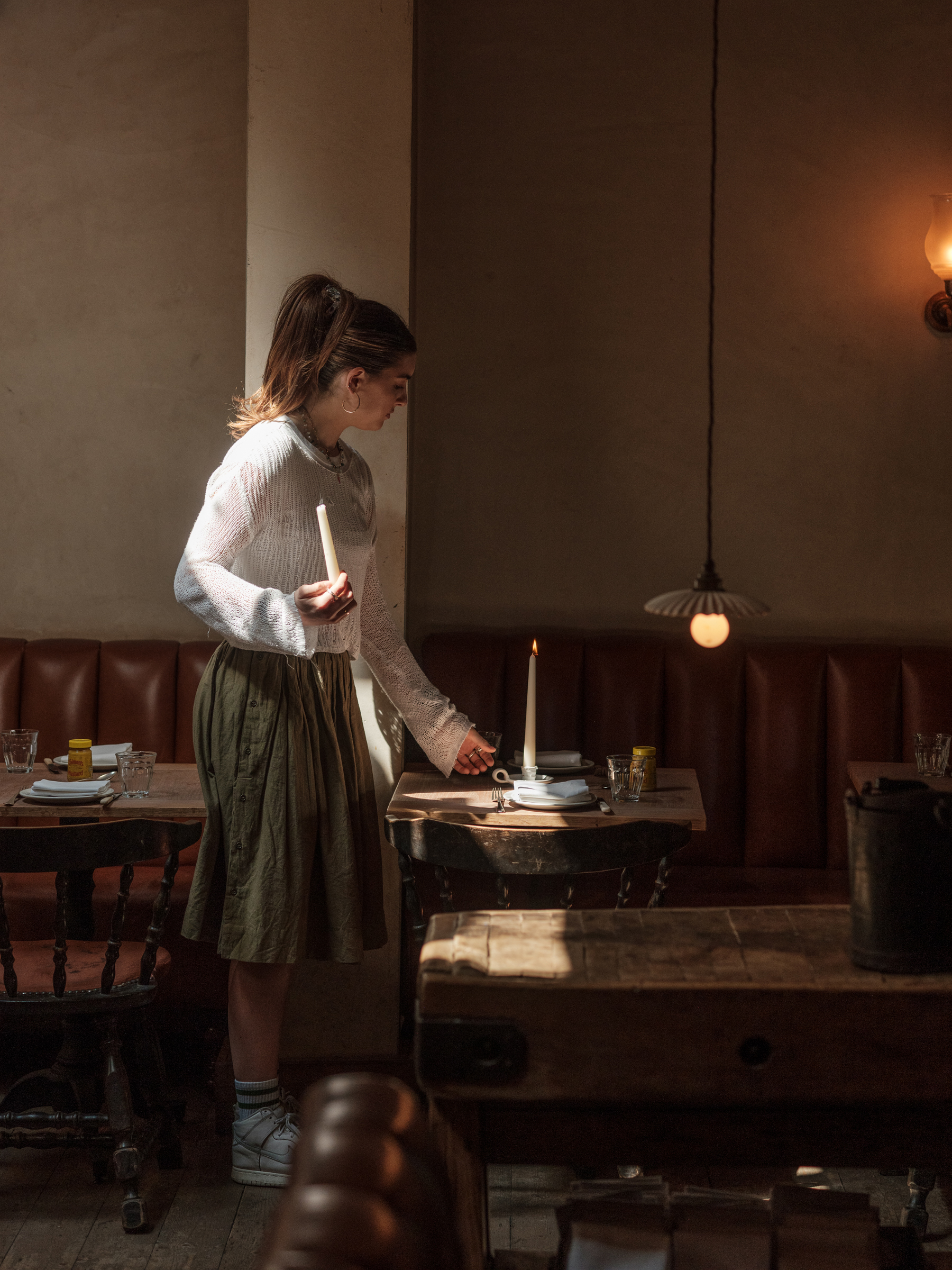
The best pub in London for a proper meal — the kind of cooking that would embarrass most restaurants, in a room that is unmistakably a pub. The beef dripping toast. No reservations for the bar. Go early.
Read the table notes →
A South Indian pub restaurant in Islington that has been quietly exceptional since it opened. The dosas are the best in London. The room is a pub. The food is not pub food.
Read the table notes →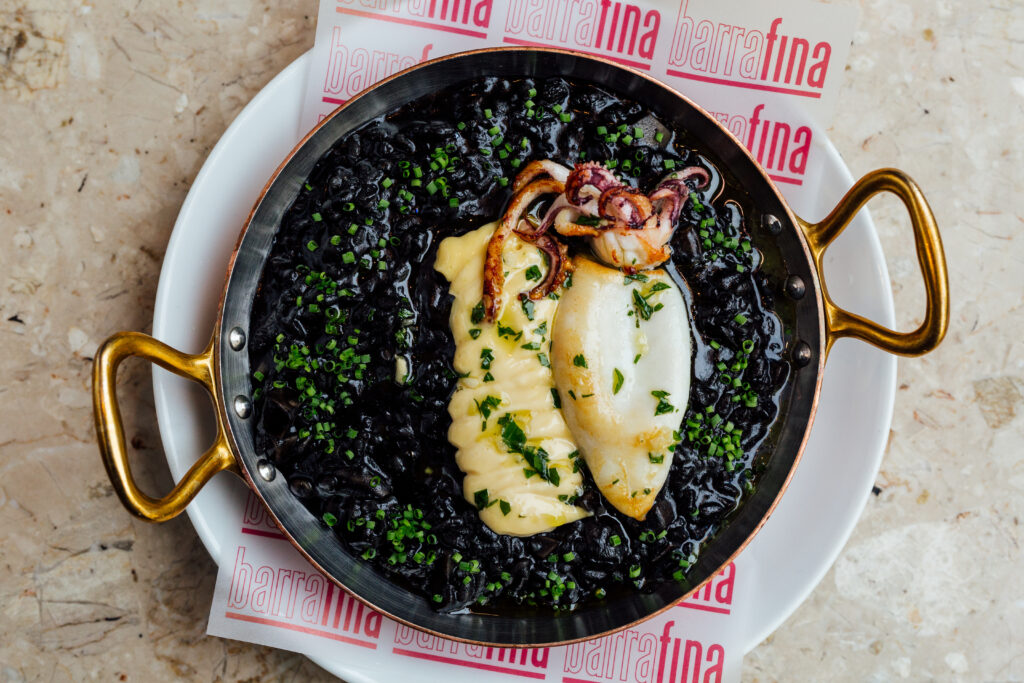
The best tapas in London, no reservations, counter seating only. Queue or go at an odd hour. Worth every minute of the wait.
Read the table notes →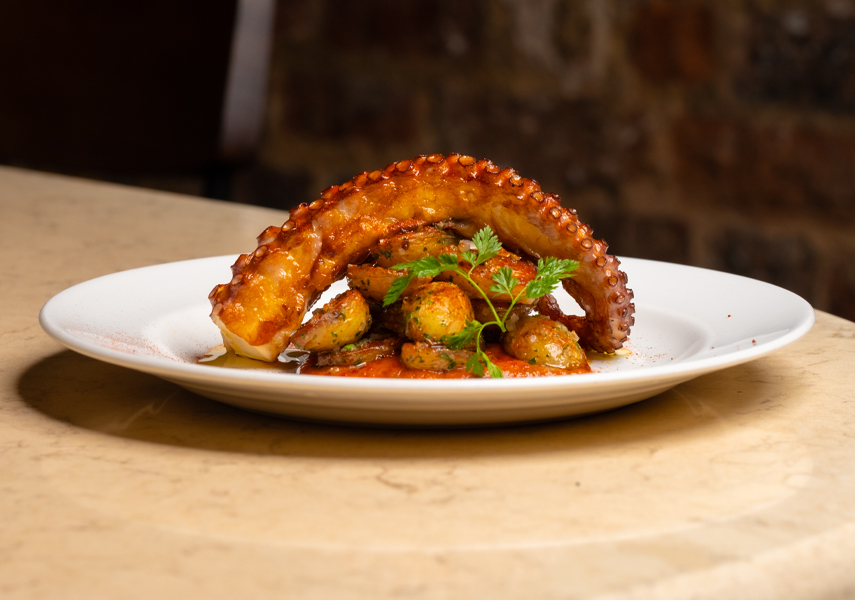
Upstairs or downstairs — the counter downstairs for pintxos and sherry, the dining room upstairs for the full meal. Nieves Barragán Mohacho's cooking is exceptional.
Read the table notes →The pub that is worth the queue. A Soho institution that serves food as good as most restaurants in a room that is entirely a pub. The beef Wellington. Go early or accept the wait.
Read the table notes →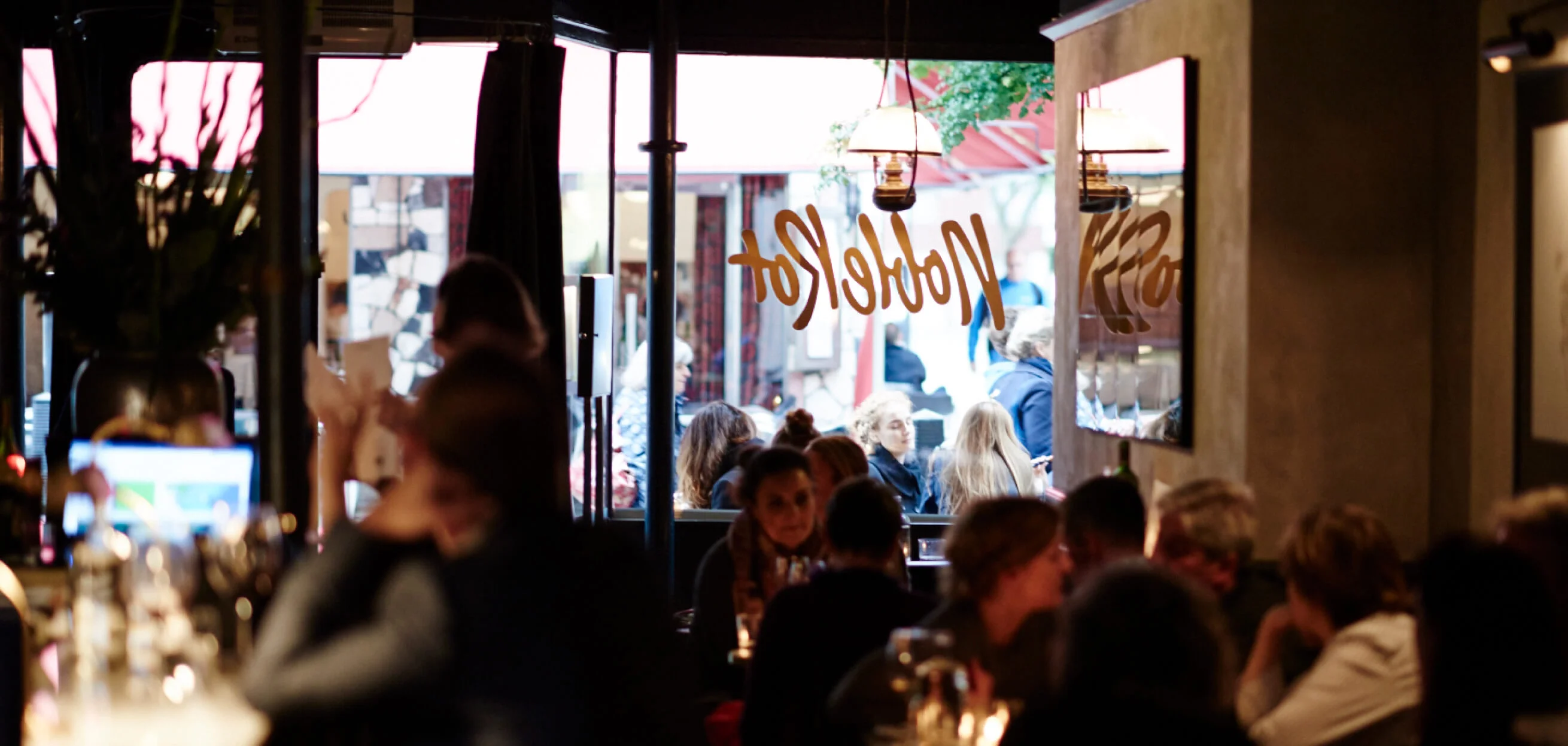
Wine bar and restaurant from the team behind the magazine. The wine list is extraordinary and the food matches it. Both locations are good. The Bloomsbury original has the better room.
Read the table notes →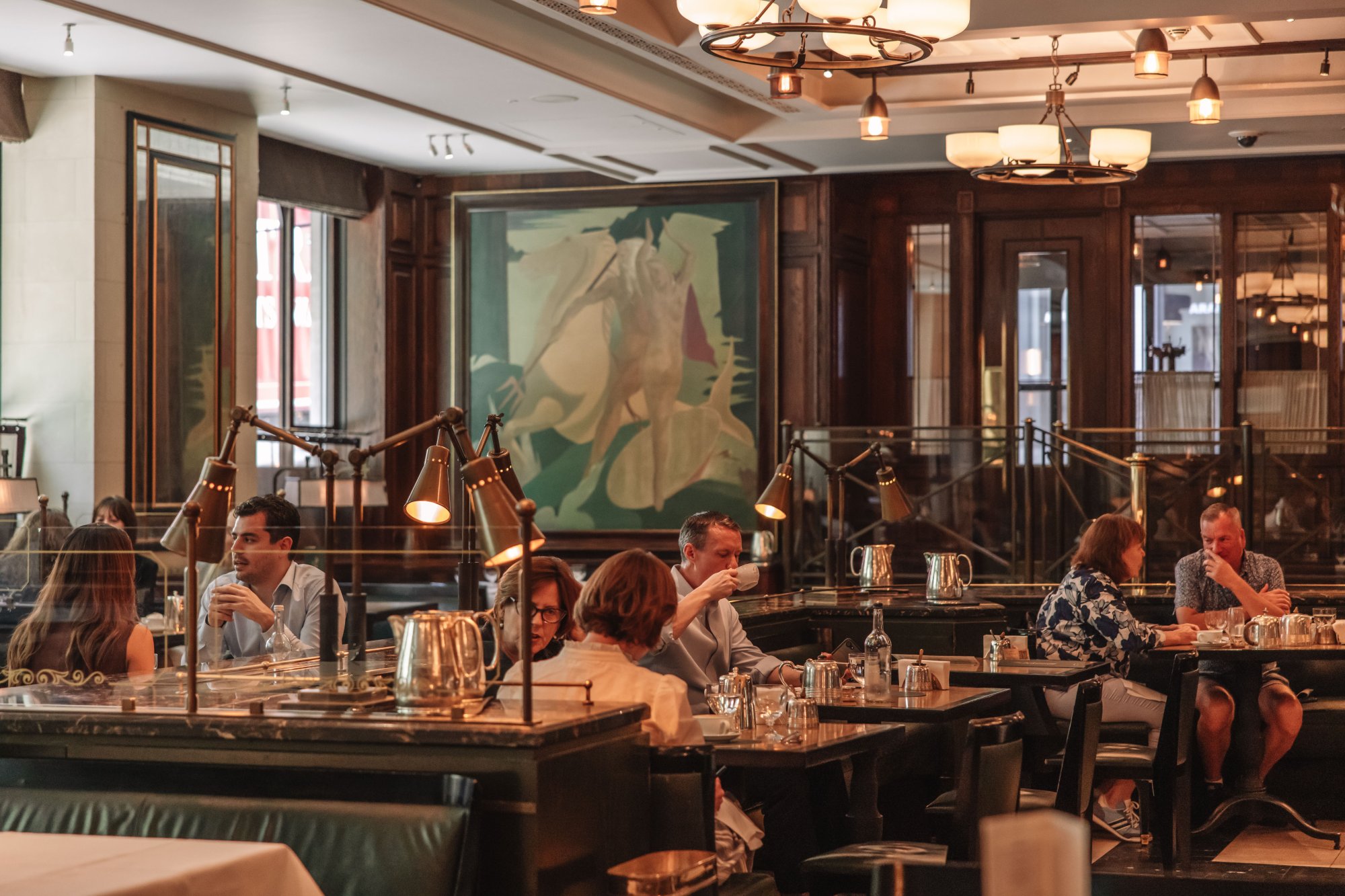
The Wolseley's sibling — same grand Mitteleuropean dining room energy, better located for the Strand and Covent Garden crowd. Excellent for breakfast, lunch or a late dinner after the theatre.
Read the table notes →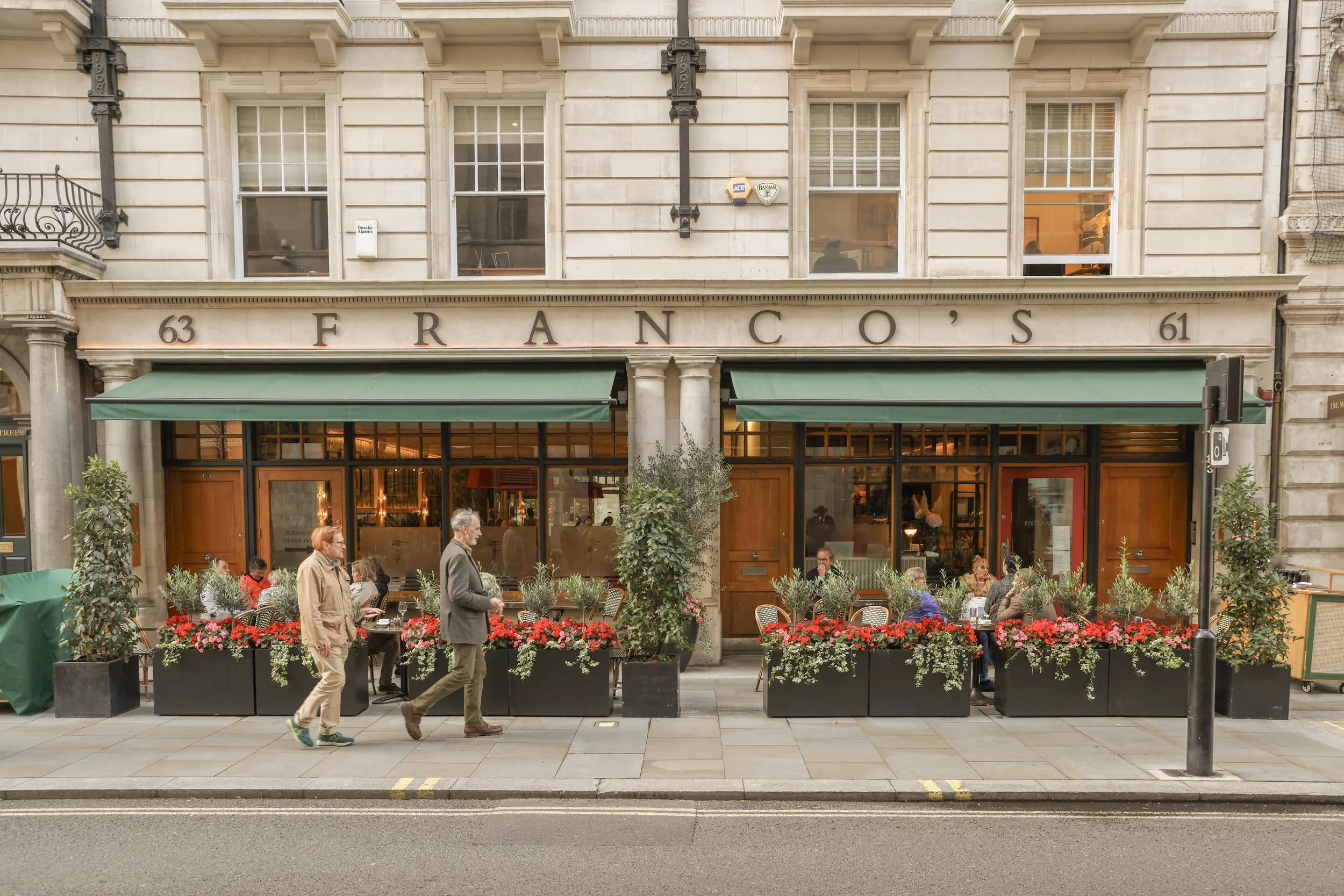
St. James's Italian institution since 1946. The clientele is what it has always been — old money, diplomats, people who do not need to announce themselves. The pasta is the reason.
Read the table notes →
A neighbourhood restaurant in South Kensington that has very quickly become the kind of place locals protect. Small, considered, the cooking better than the room suggests.
Read the table notes →
Bill Granger's London outpost — for an easy, excellent lunch that requires no planning and no apology. The ricotta hotcakes and the scrambled eggs are among the best in the city.
Read the table notes →
A newer Chelsea restaurant that has earned its place quickly — the cooking is good, the room is right, the wine list is serious.
Read the table notes →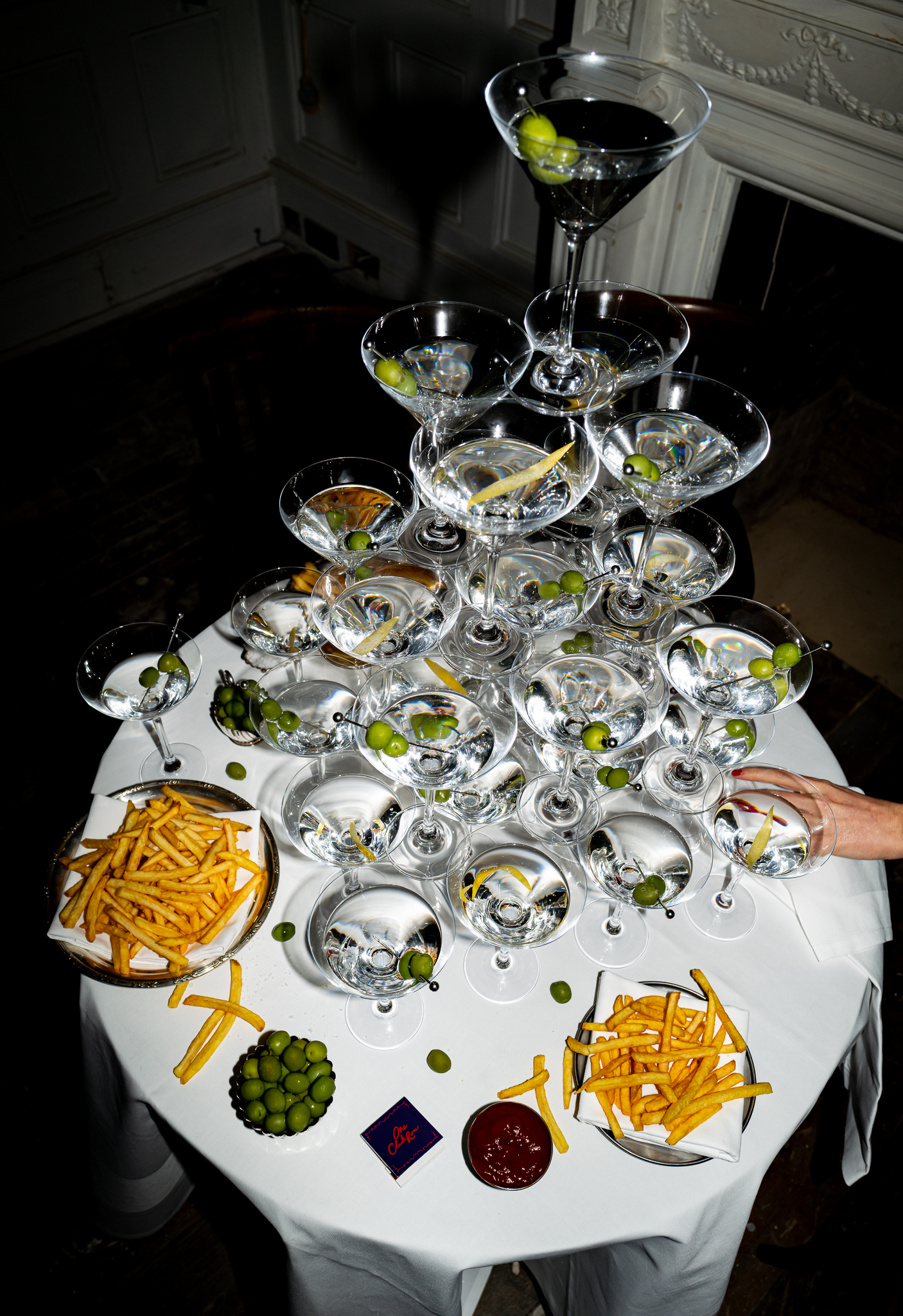
A Shoreditch restaurant that has the rare quality of being genuinely good without trading on its neighborhood. The cooking is precise, the room is right.
Read the table notes →
The dining room inside the Savoy — the hotel everyone knows and the restaurant fewer people consider. The room is one of the great London dining rooms.
Read the table notes →
A proper Italian restaurant in Fitzrovia that has been feeding the neighbourhood for decades and sees no reason to change. The pasta is made in the kitchen.
Read the table notes →Two rooms, two experiences — the Dover dining room upstairs and the counter downstairs. The counter is the move: smaller, more personal, the cooking right in front of you.
Read the table notes →
A Chelsea neighbourhood restaurant that operates at a higher level than its postcode requires. The cooking is careful, the room is warm, the clientele is local.
Read the table notes →
Inside the Dorchester — the more accessible of the hotel's dining rooms. Art Deco interior. The Saturday lunch crowd is London at its most quietly elegant.
Read the table notes →
A Chelsea deli for a casual lunch that does not feel like a compromise. Good sandwiches, good coffee, the kind of place that makes the neighborhood function.
Read the table notes →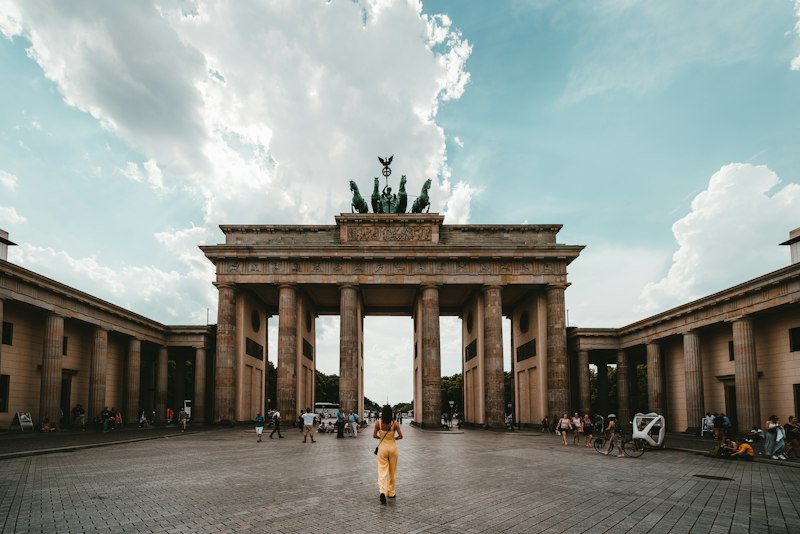
Over 200 pies daily through The Pie Hole street hatch. The raised game pie.
Read the table notes →The retail bakery from Claridge's kitchen — the croissants and the sourdough are the best argument for the address. Queue early. They sell out.
Read the table notes →The Victorian food halls are one of the great London rooms — the fish counter, the cheese room, the prepared foods.
Read the table notes →The Milanese patisserie and café with a small London outpost. The cornetti and the hot chocolate. Worth the detour from Bond Street.
Read the table notes →A Chelsea sandwich and lunch counter that does a small number of things with total commitment. The sandwiches are among the best in London.
Read the table notes →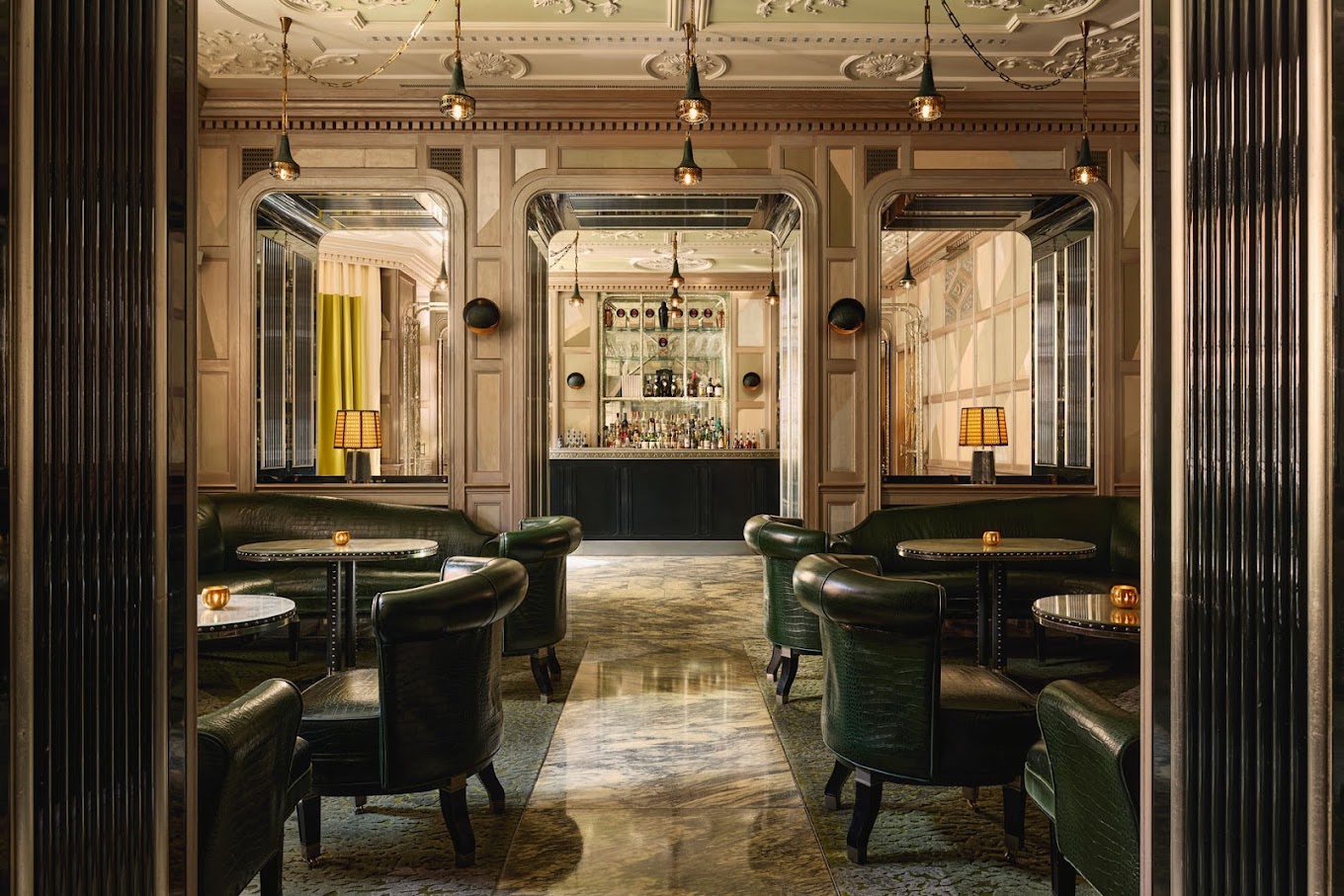
The best hotel bar in Europe. Agostino Perrone's martini trolley comes to your table. Go early, stay late, order a second.
Read the table notes →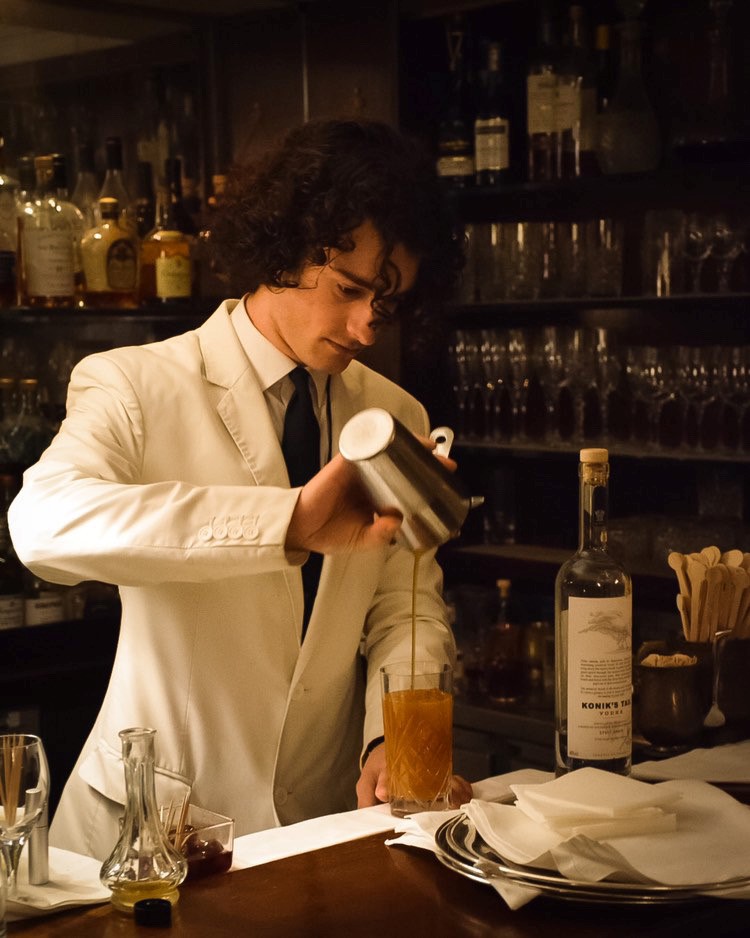
Where Ian Fleming drank his martinis. Stirred, not shaken. The room holds thirty people and no one is in a rush.
Read the table notes →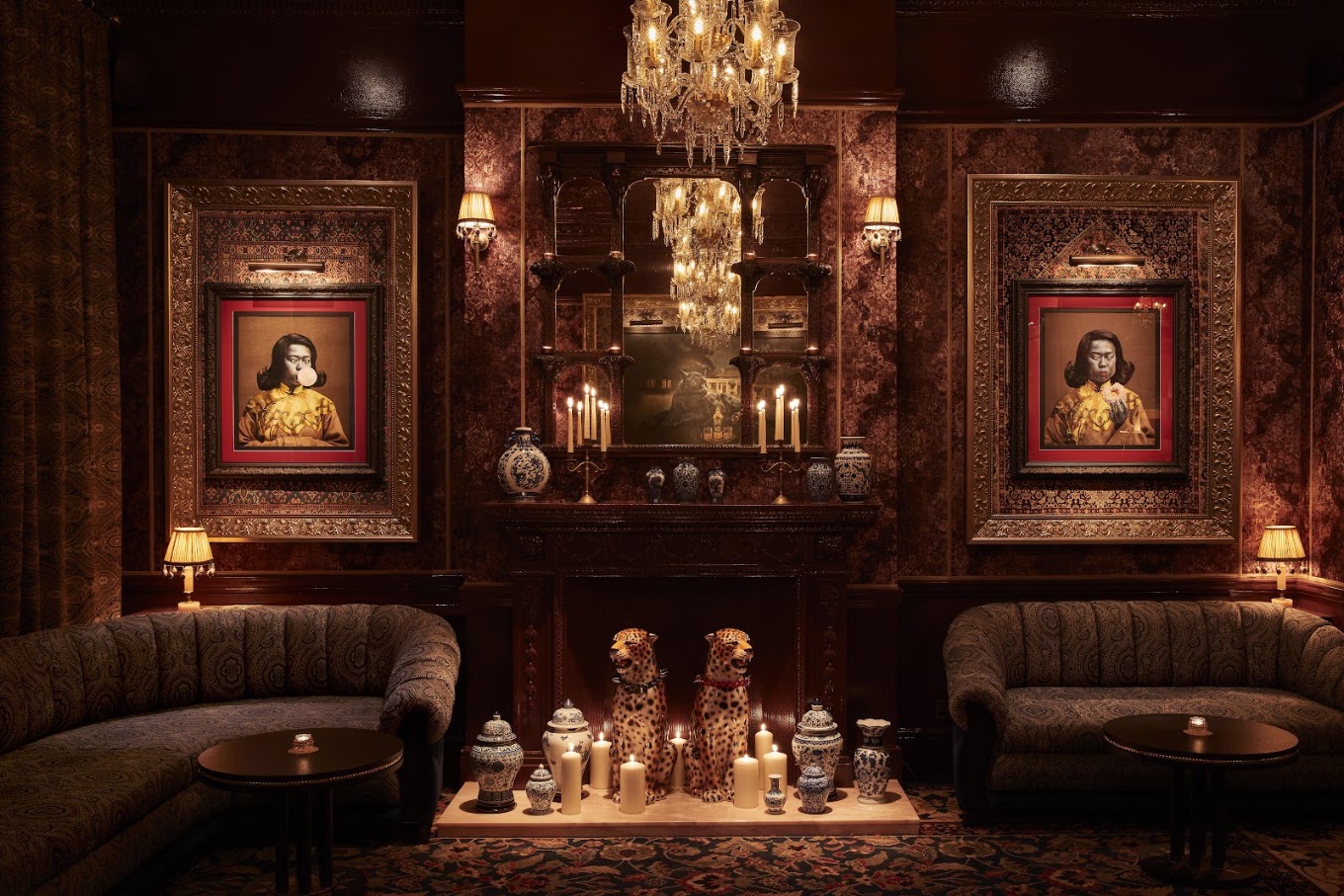
One of the quieter Mayfair bars — considered, well-stocked, the kind of room where the conversation is the point rather than the crowd.
Read the table notes →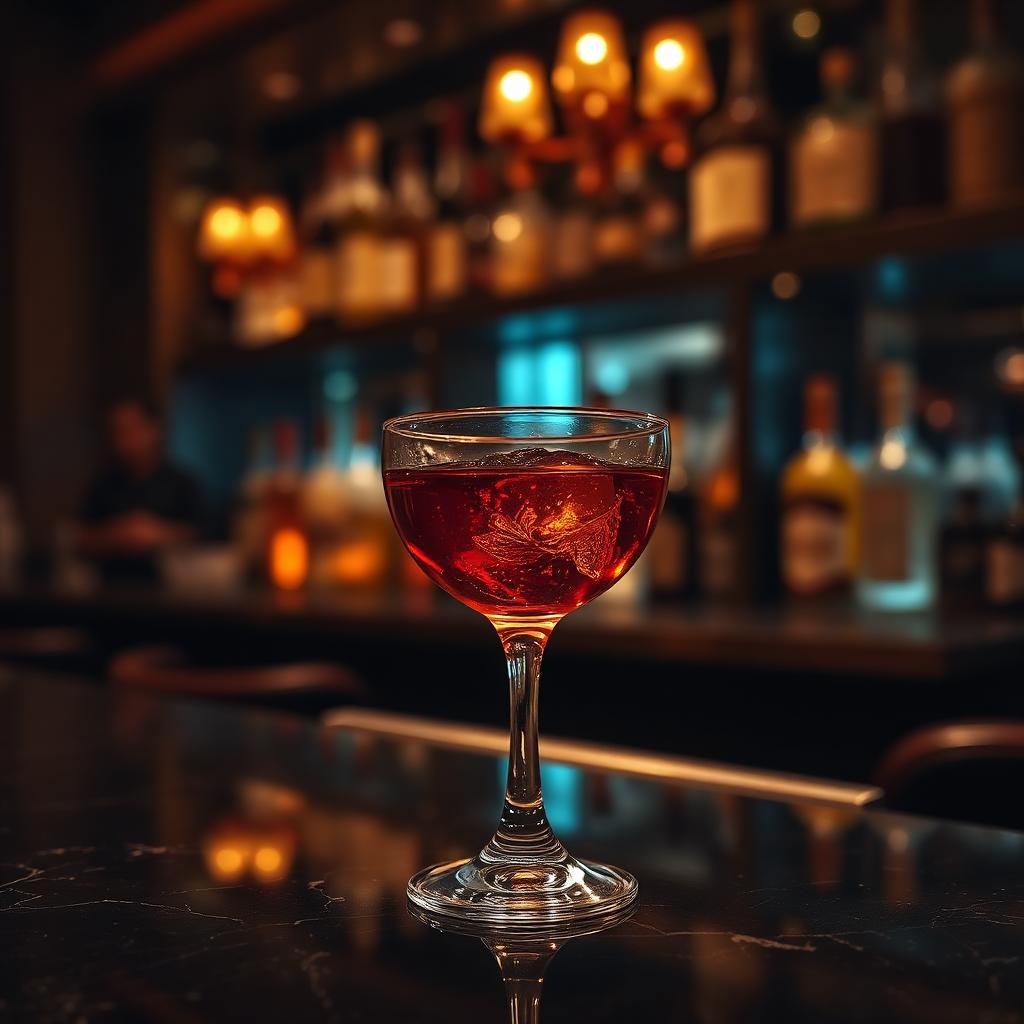
More nightclub than bar — the St. James's institution since 1969. Mick Jagger, Sinatra, and every generation of the London social scene since. Members and guests only. Get on the list before you arrive.
Read the table notes →Tourist prices, not London food.
Walk across the bridge. Eat on the other side.
Beautiful and entirely unnavigable.
The view is doing all the work.
The Food Hall is worth it. The rest is not.