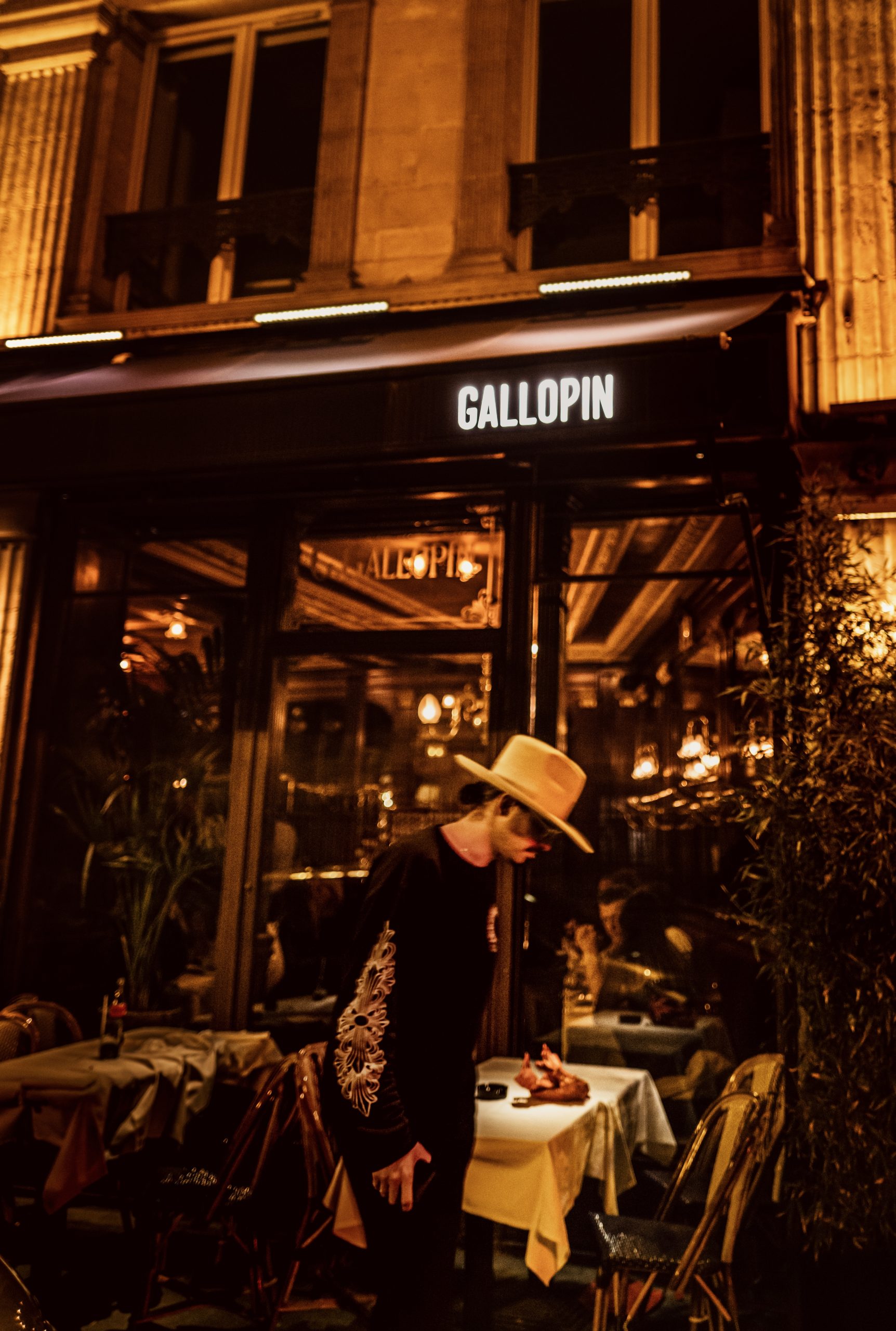
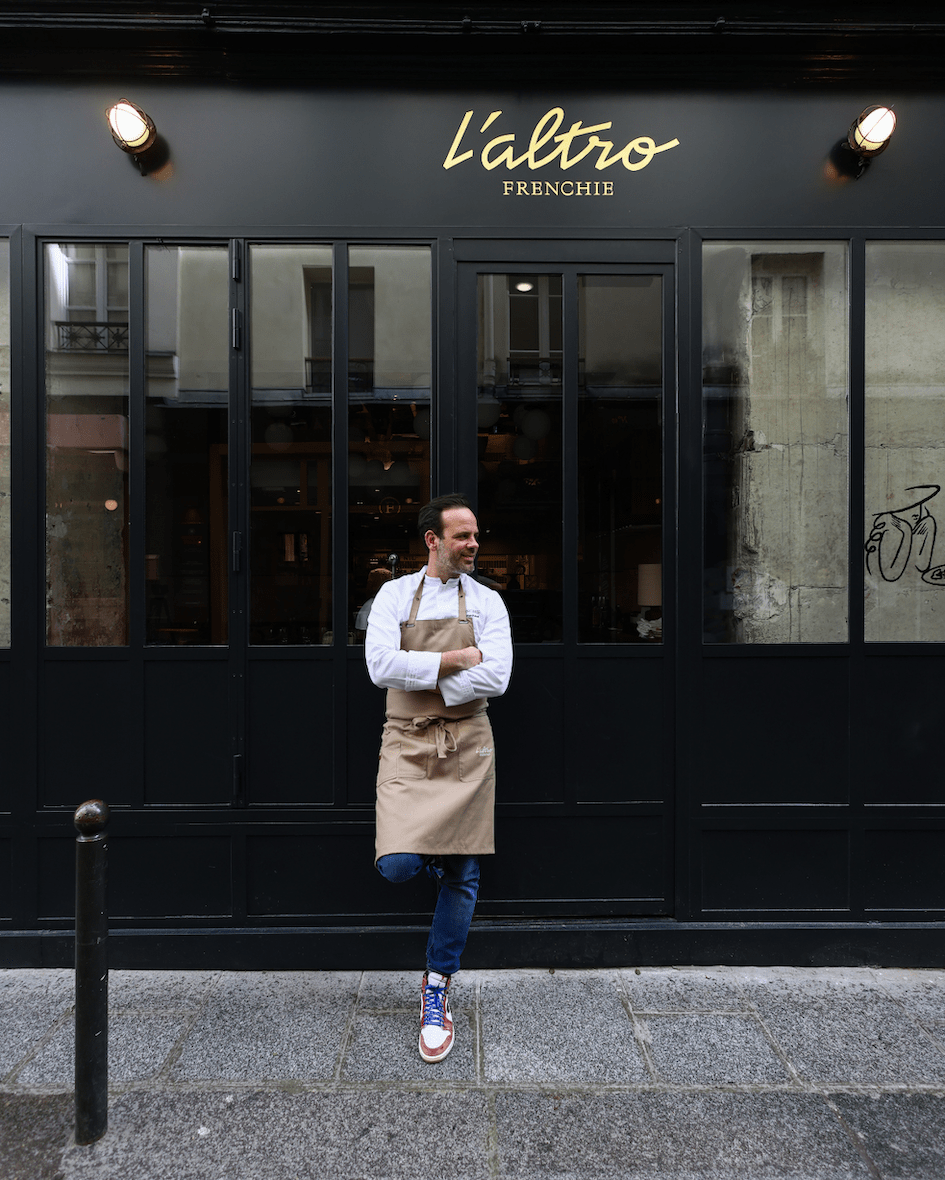
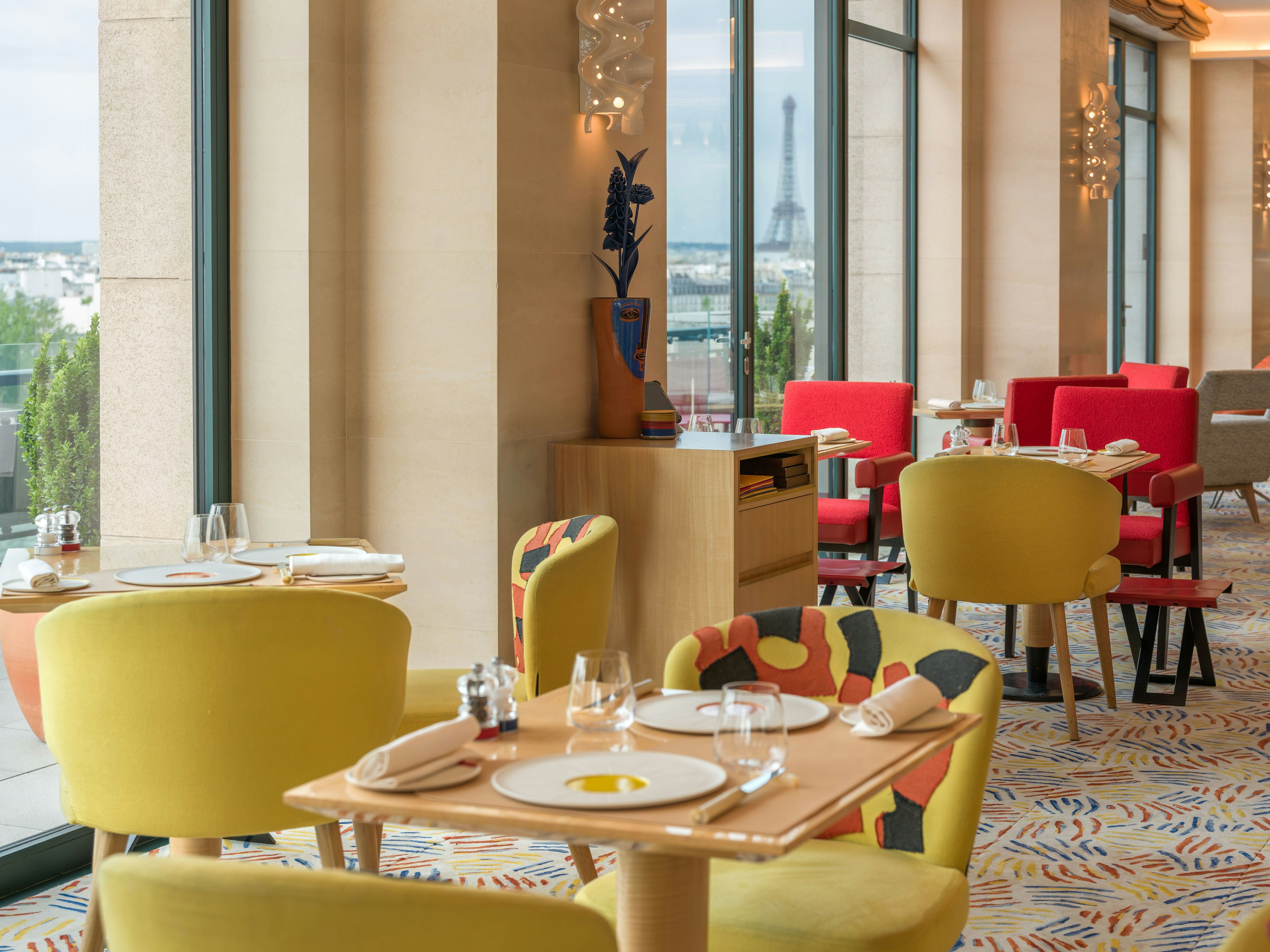
There are two Parises. There is the Paris of the photographs — the one that exists in every Instagram grid and every travel supplement and every conversation with someone who went once in 2019 and has been dining out on it since. And then there is the Paris that has been quietly doing its own thing, indifferent to all of this, for several centuries.
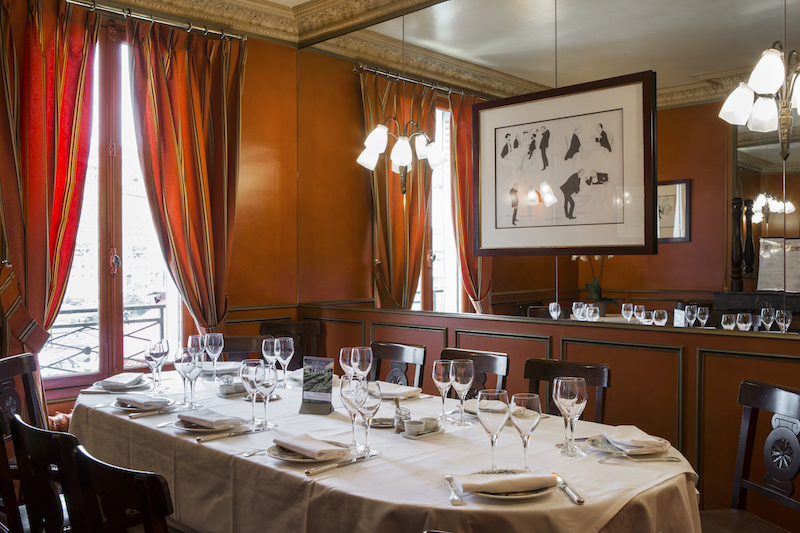
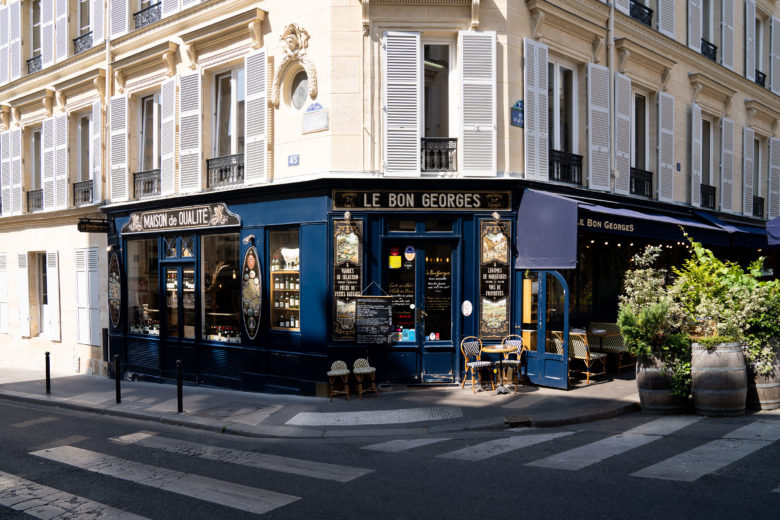
We go to the second one. The Chez Georges near the Bourse, where the waiter stopped handing Nouri a menu sometime around the third visit and started just bringing things. The Barthélémy fromagerie in the 6th that stays open until eight and will teach you what a Comté is actually supposed to taste like if you are willing to listen. The Saturday morning Paul Bert Serpette market, where the serious antique dealers are set up in Allée 1 before nine and largely done by noon — not because they are leaving, but because the people worth selling to have already been and gone.
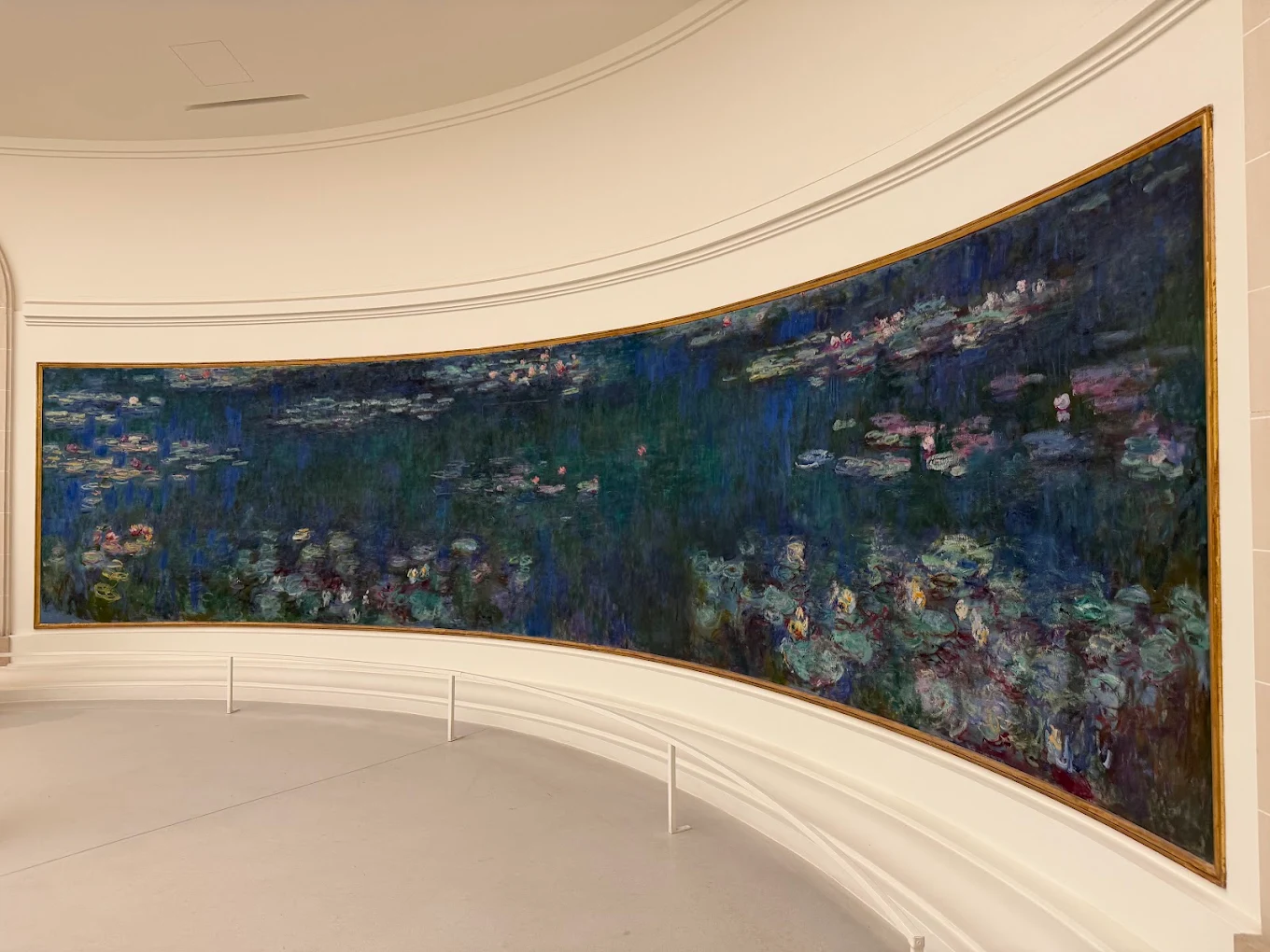
We go in spring or autumn. Never August. The city empties of Parisians in August and fills with everyone else, which is precisely the wrong ratio. April and October are the months. The light in both is extraordinary in a way that explains, without requiring further explanation, why painters kept coming back.
The mistake most people make in Paris is treating it like a checklist. It is not a checklist city. It is a neighborhood city. Pick the 6th and the 7th and live there for two days — the fromagerie, the bookshop, the bistrot where the prix fixe lunch costs €22 and nobody is pretending otherwise. Then pick the 9th and the 11th. The city will reveal itself in a way that the monument-to-monument version flatly refuses to.
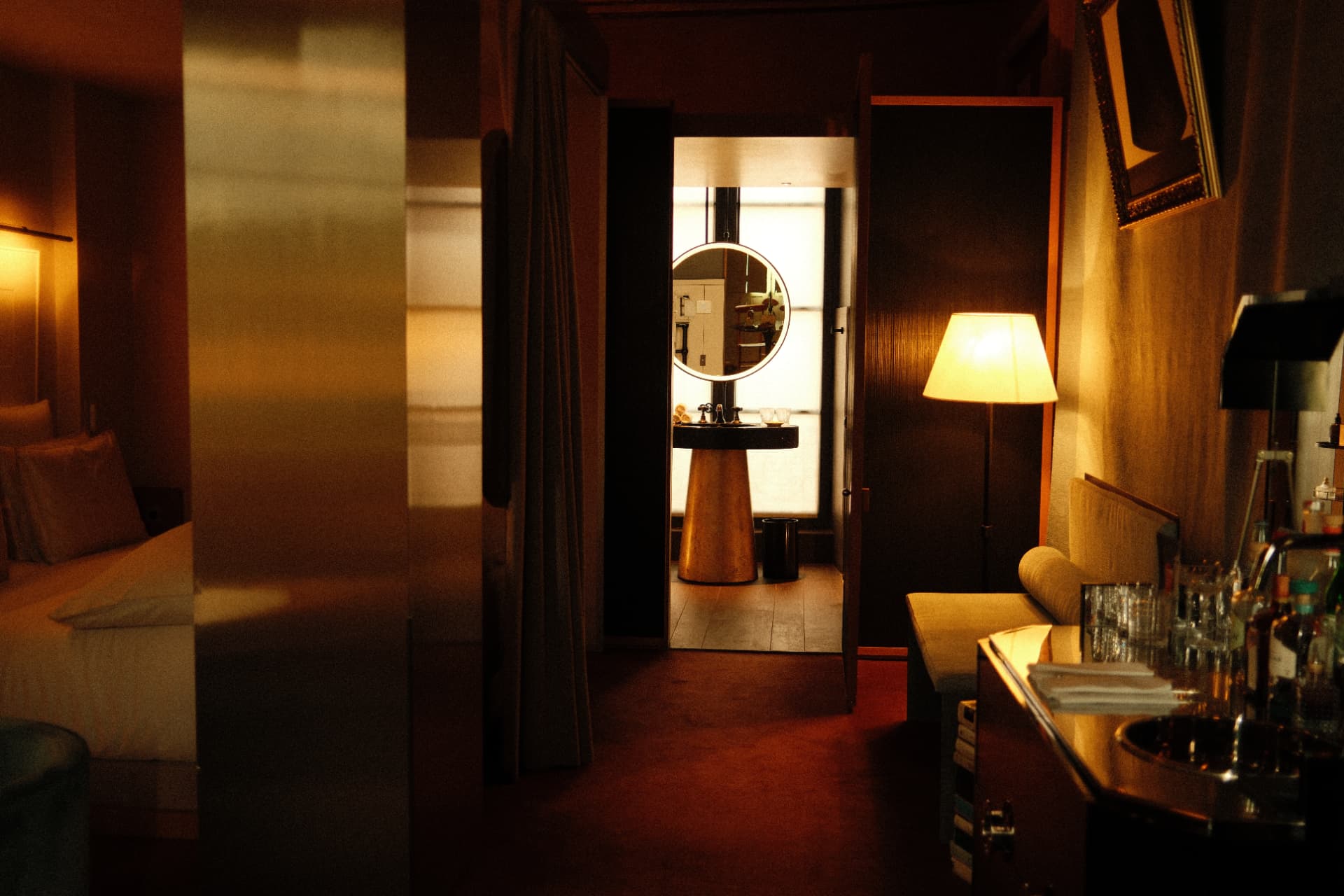
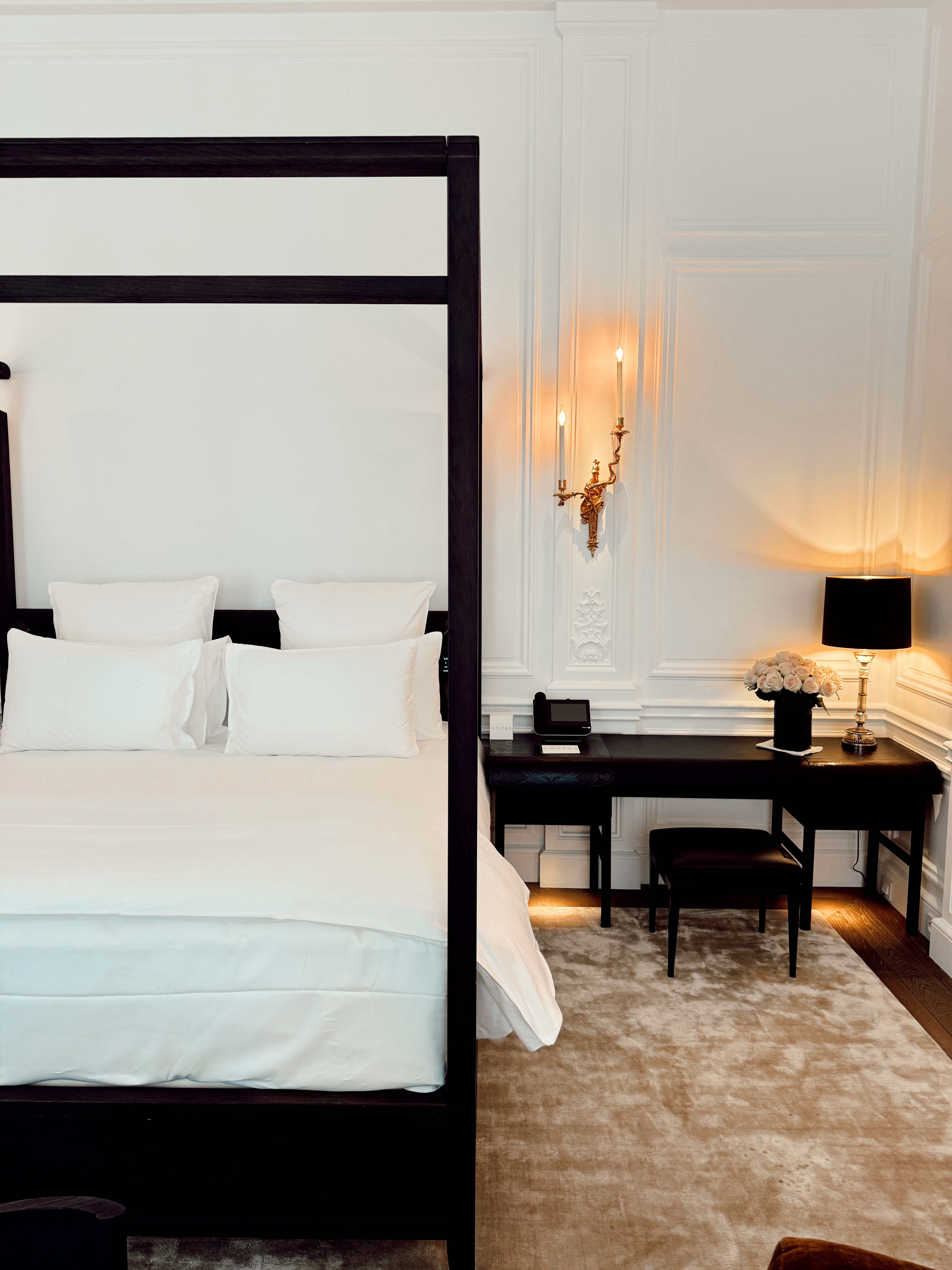
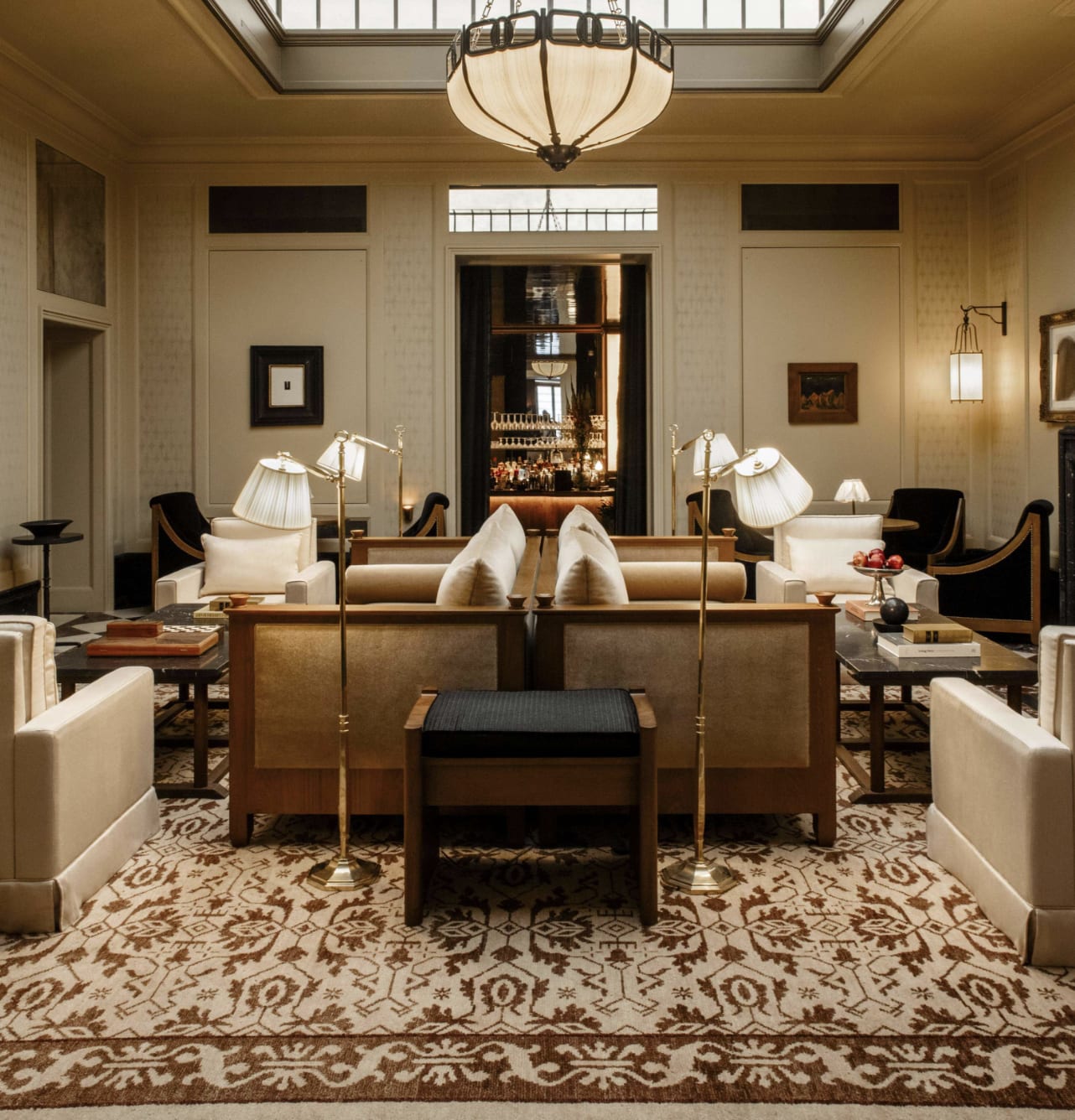
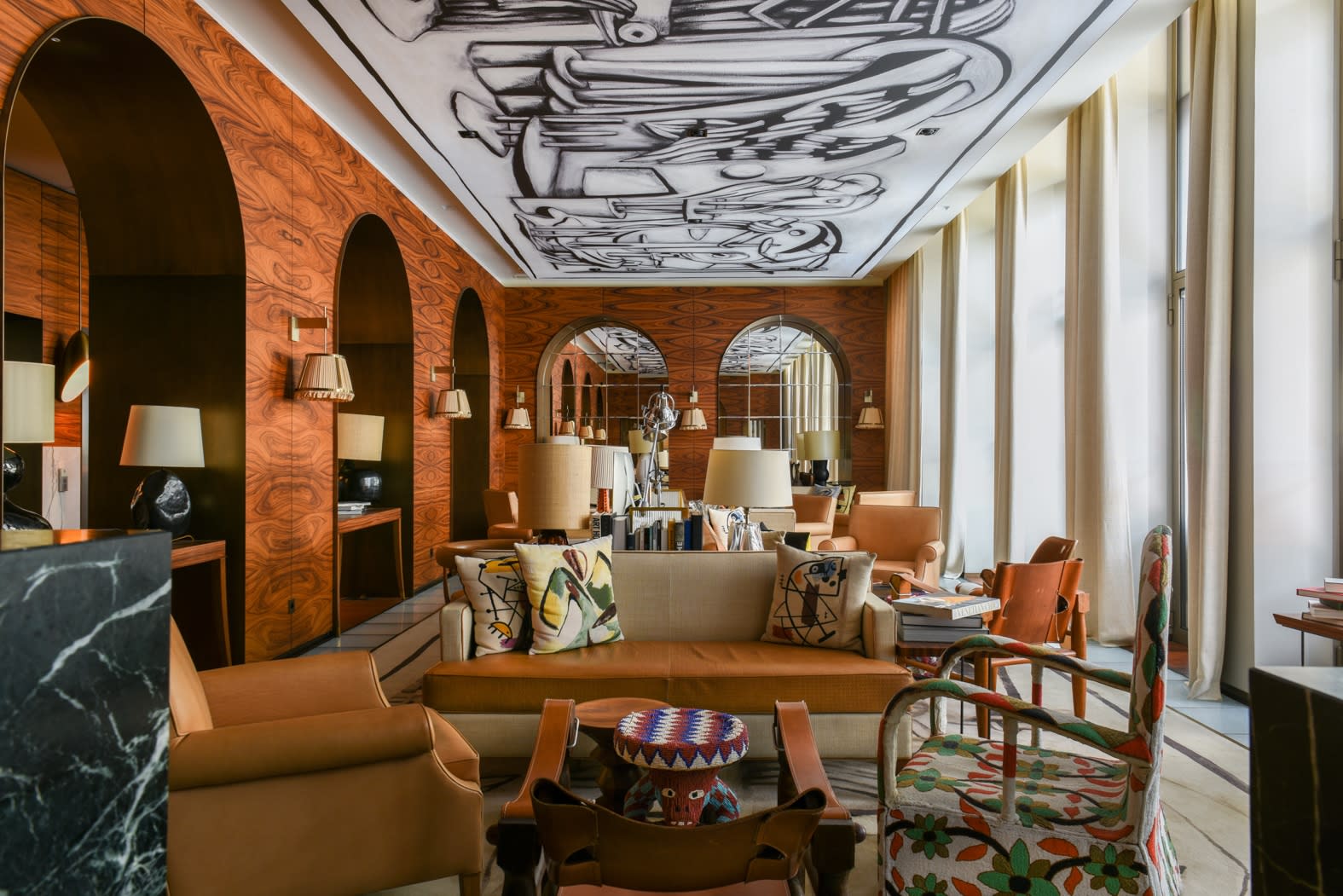
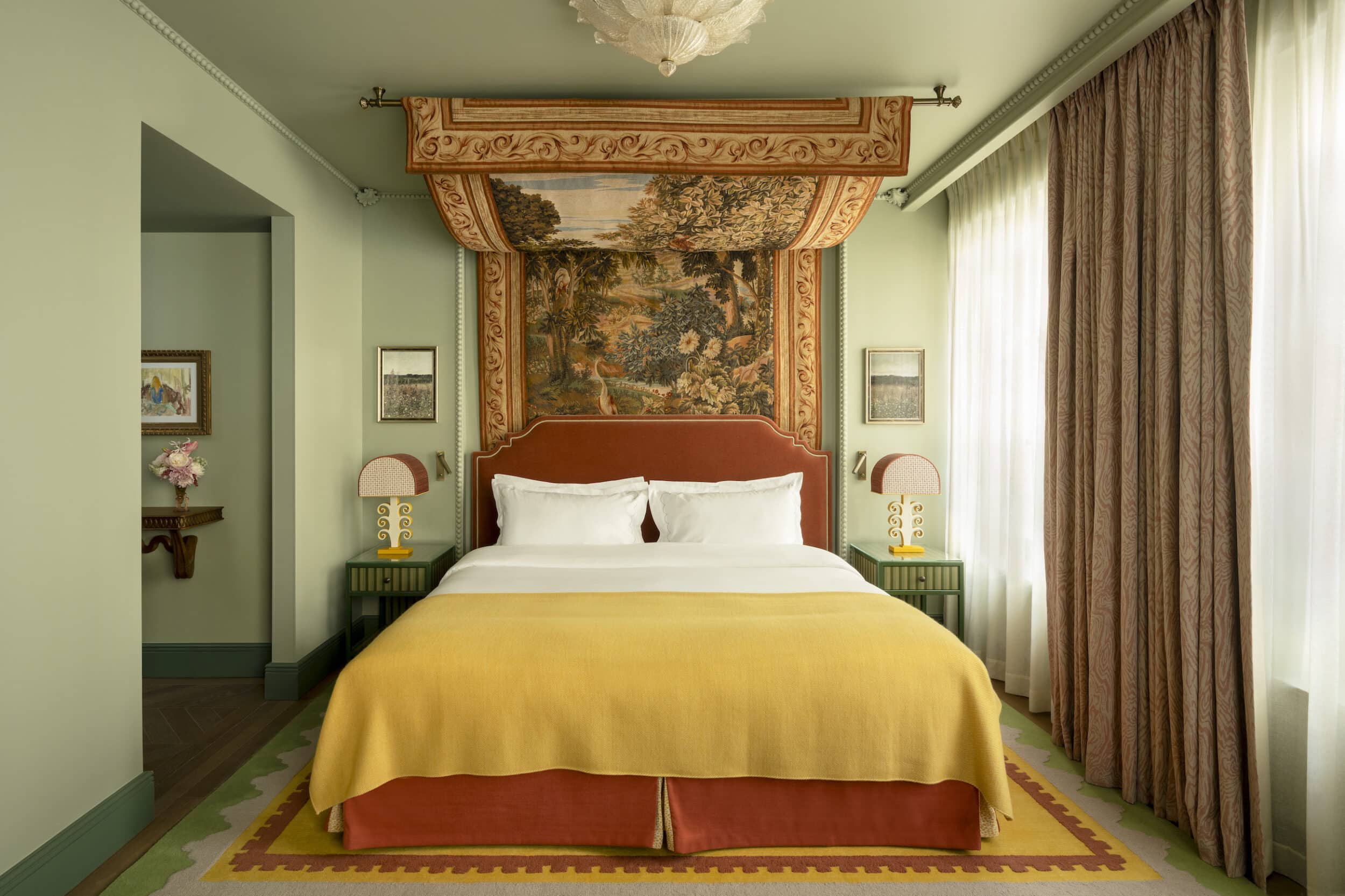
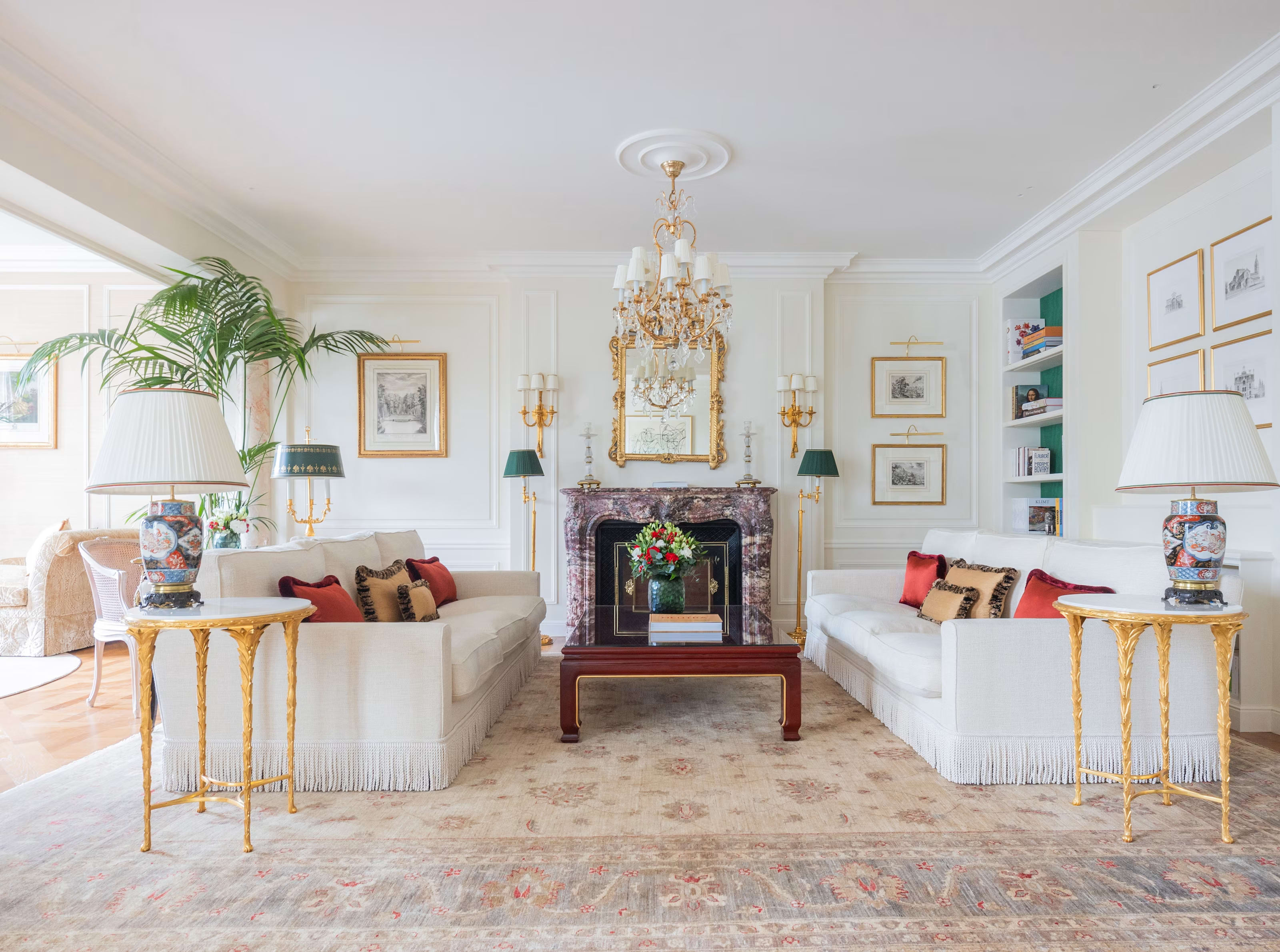
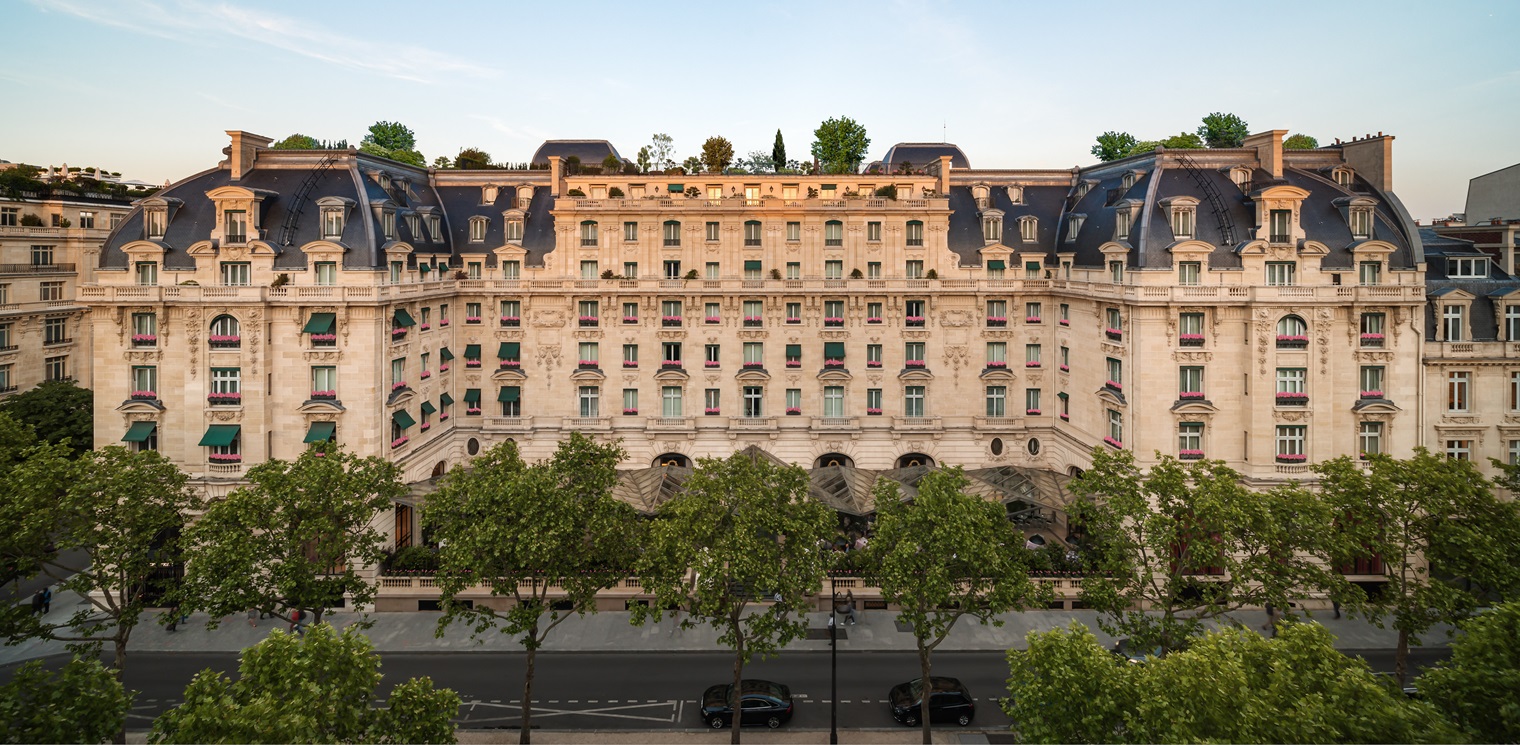
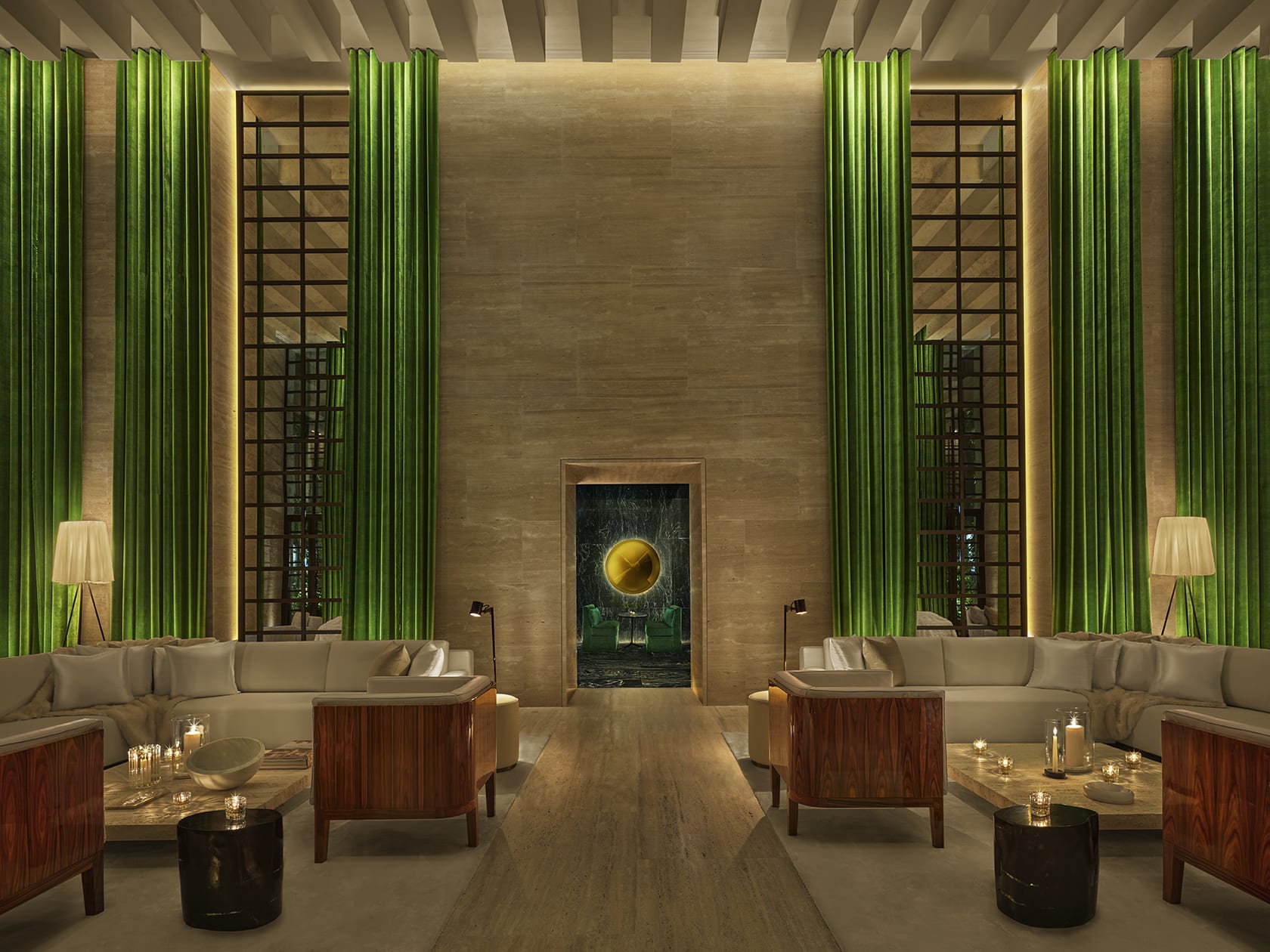
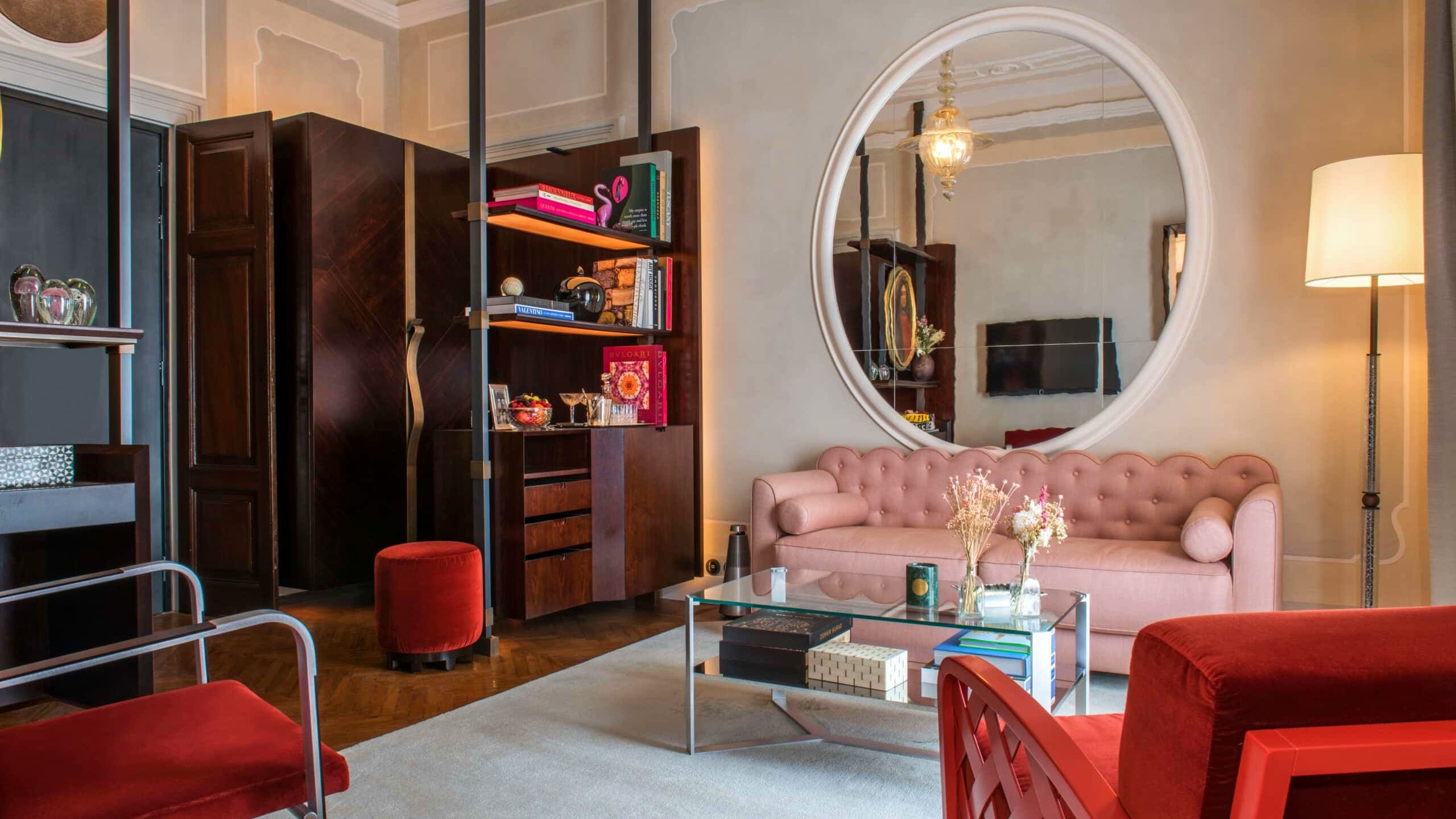
The hotel market has had a genuinely interesting few years. Hôtel Balzac reopened in 2024 on the site of Honoré de Balzac's last residence — Festen Architecture, quiet street just off the Champs-Élysées, a secret bar that has not yet been found by the people who would ruin it. Le Grand Mazarin in the Marais has the right size and the right price and the right address. And then there is the other tier — Le Bristol, The Ritz, Le Crillon — which requires no argument because it has never needed one. The gap between those two things is where most of this list lives.
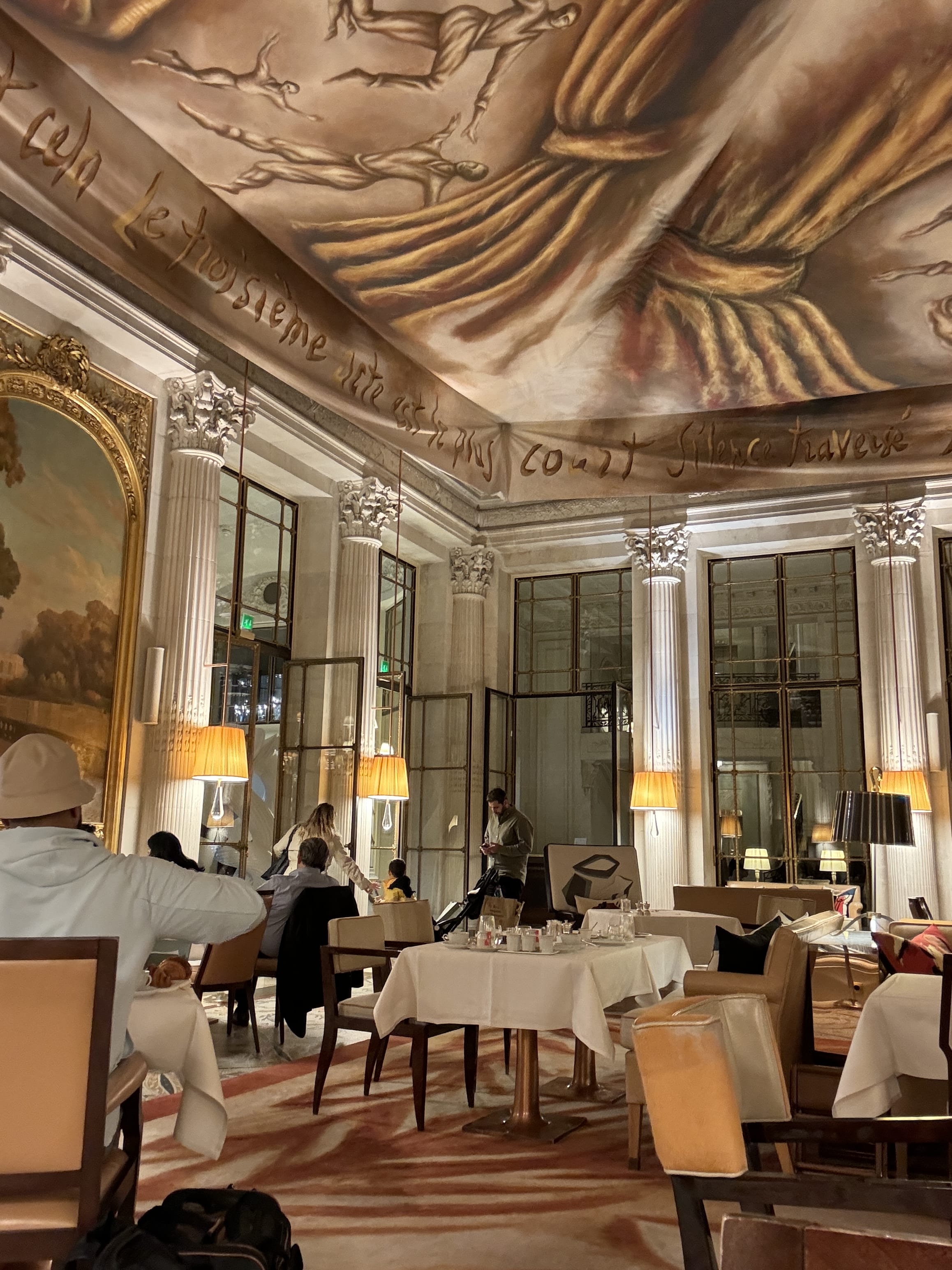
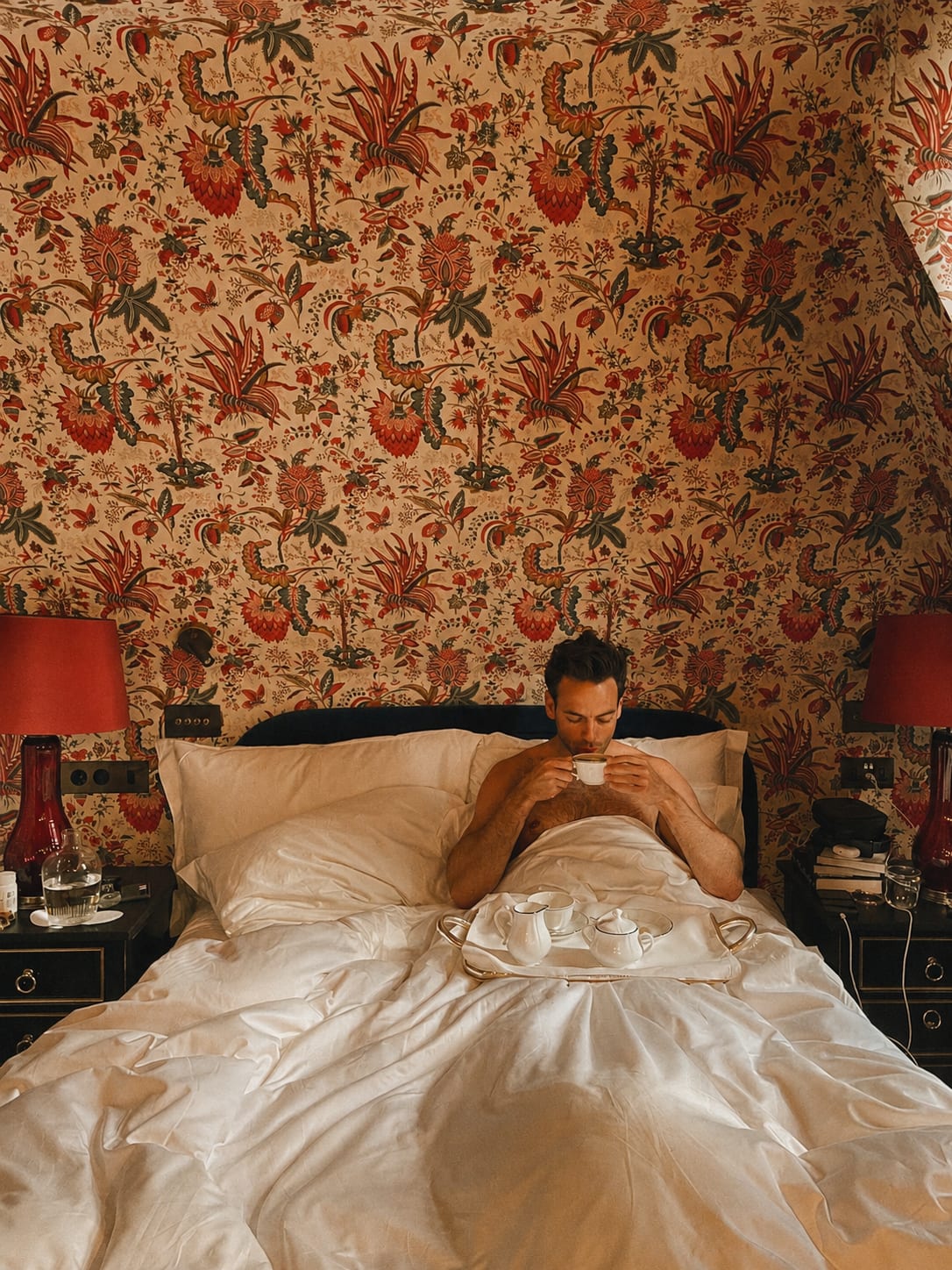
One more thing, and it is the most useful thing on this page. Breakfast at Le Meurice gets you Cédric Grolet without the queue. His standalone shop has an hour-long line by eight in the morning. The hotel's breakfast service does not. This is the difference between a good Paris trip and a great one, and now you know it.
Paris's boutique hotel market has had a genuinely exciting five years. These are the properties that earned the recommendation.
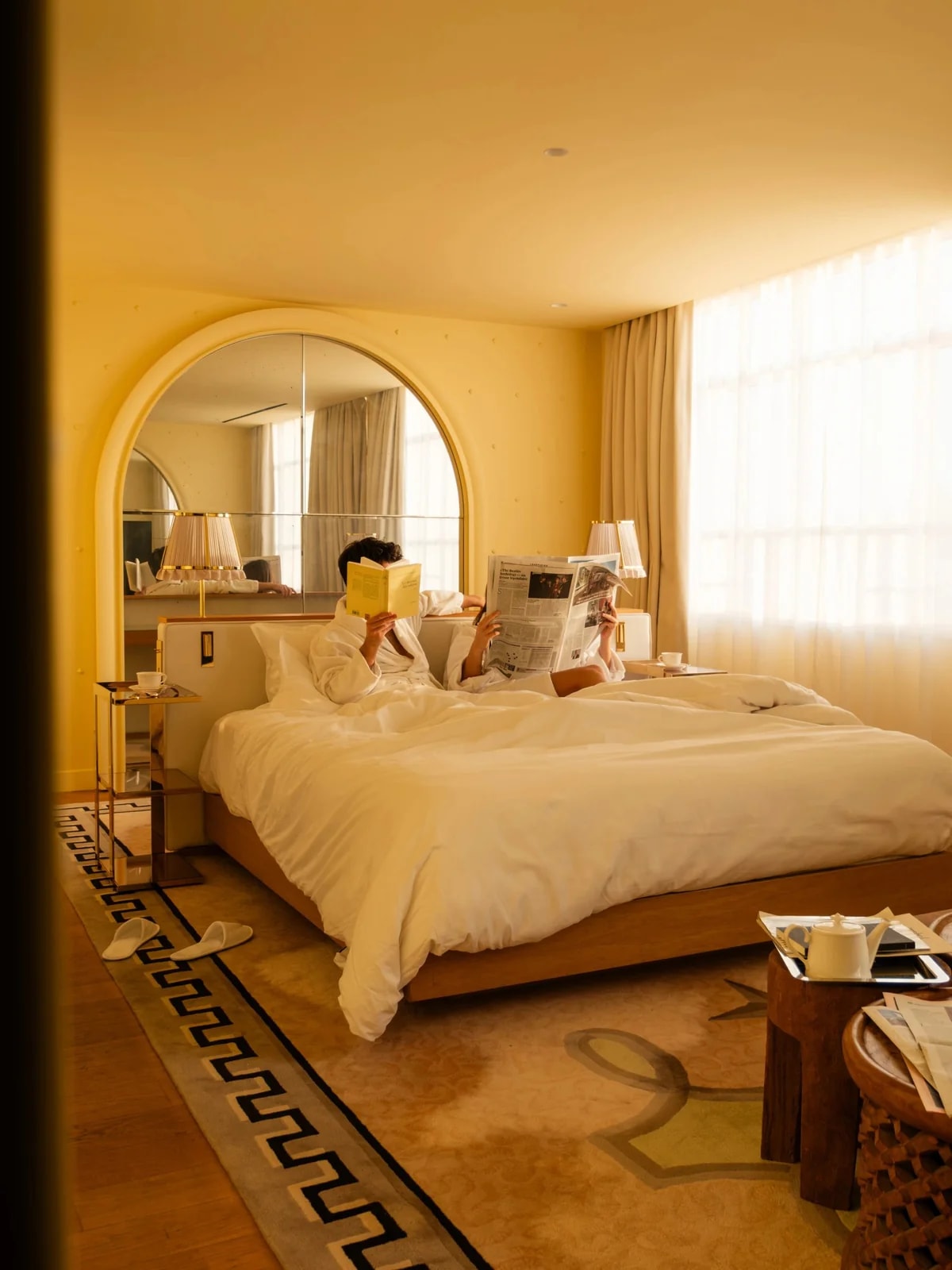
Reopened 2024 on the site of Honoré de Balzac's last residence. Festen Architecture, one Michelin Key, Pierre Gagnaire restaurant. Quiet street just off the Champs-Élysées. The secret bar is the reason to stay.
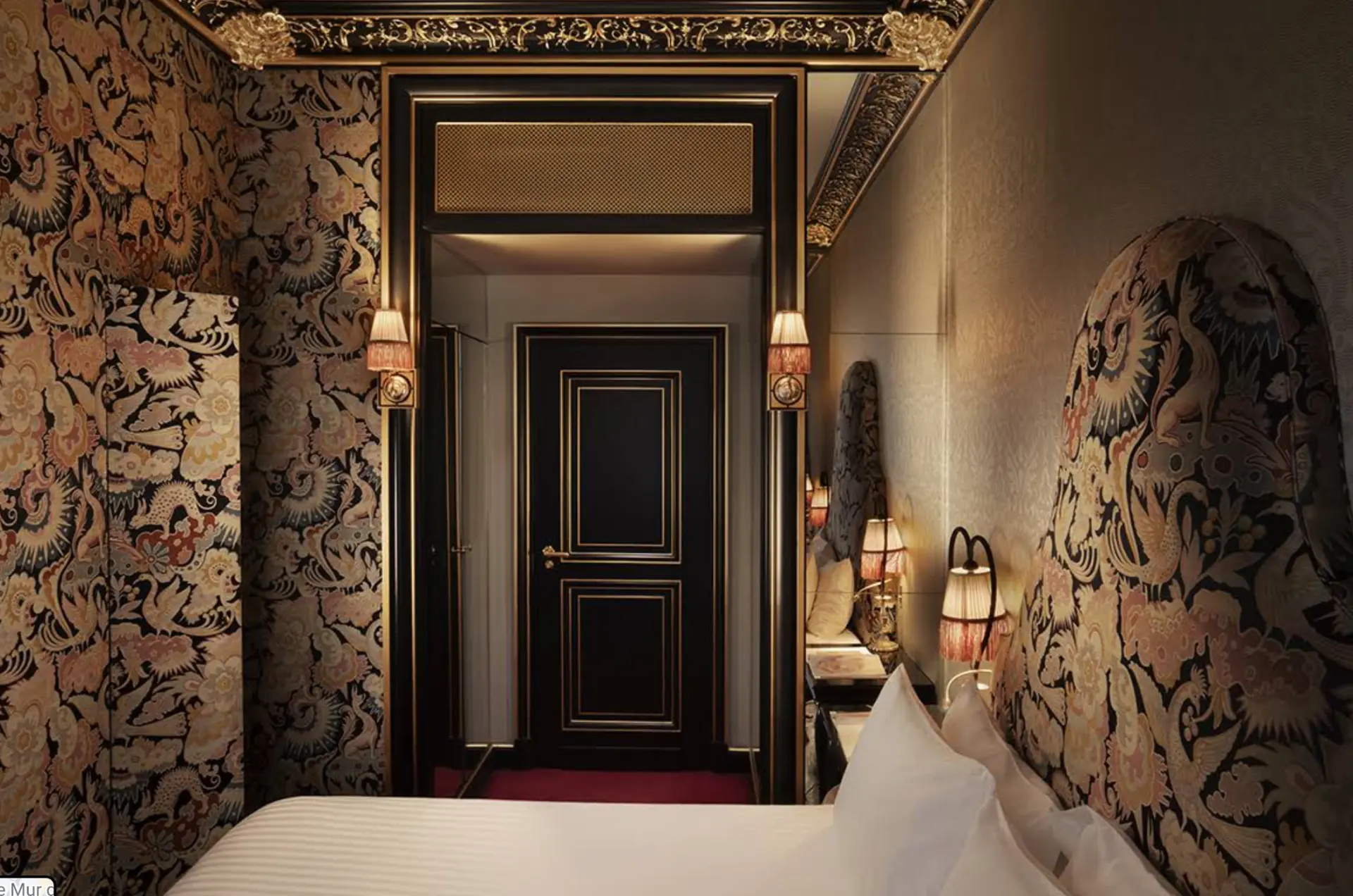
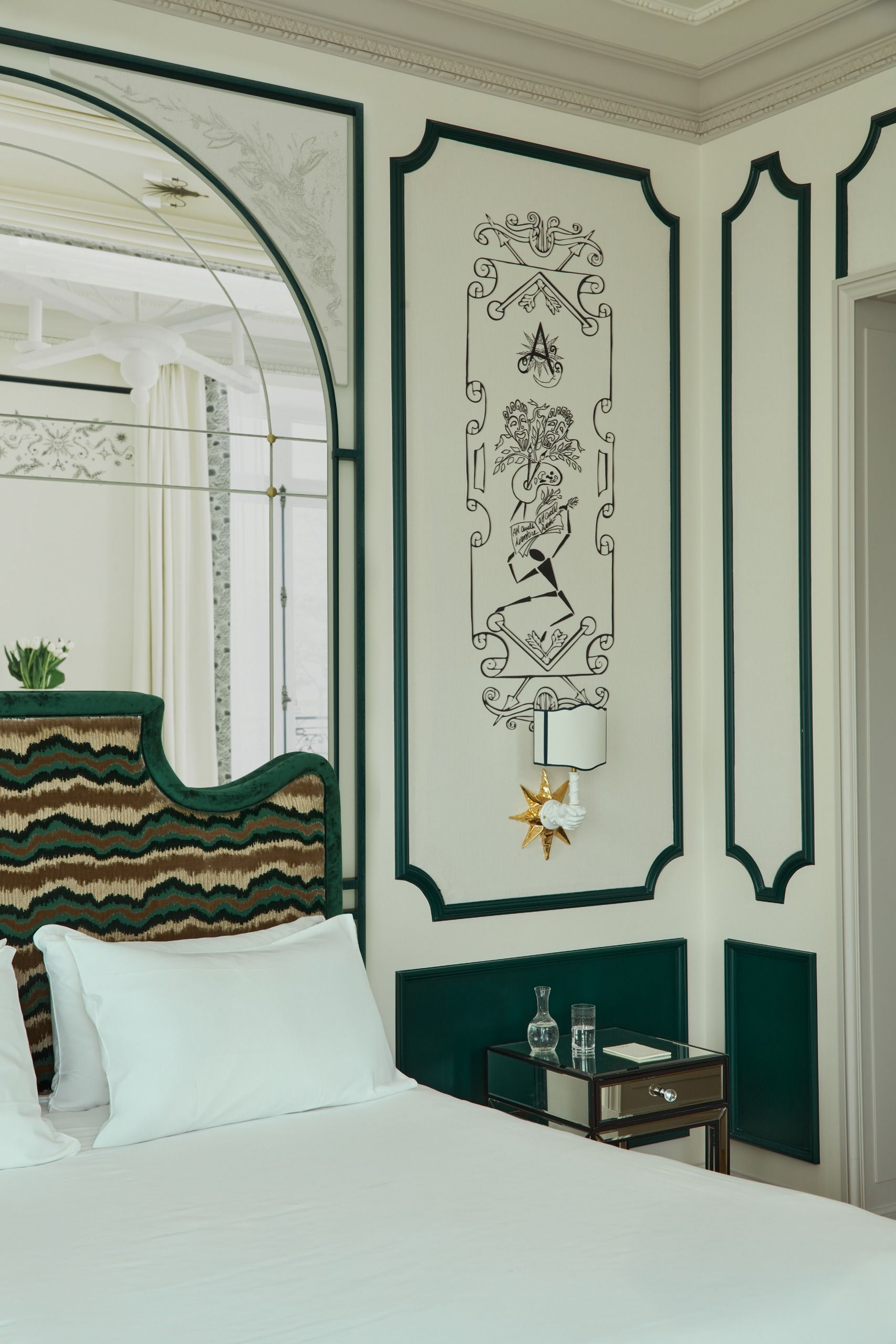
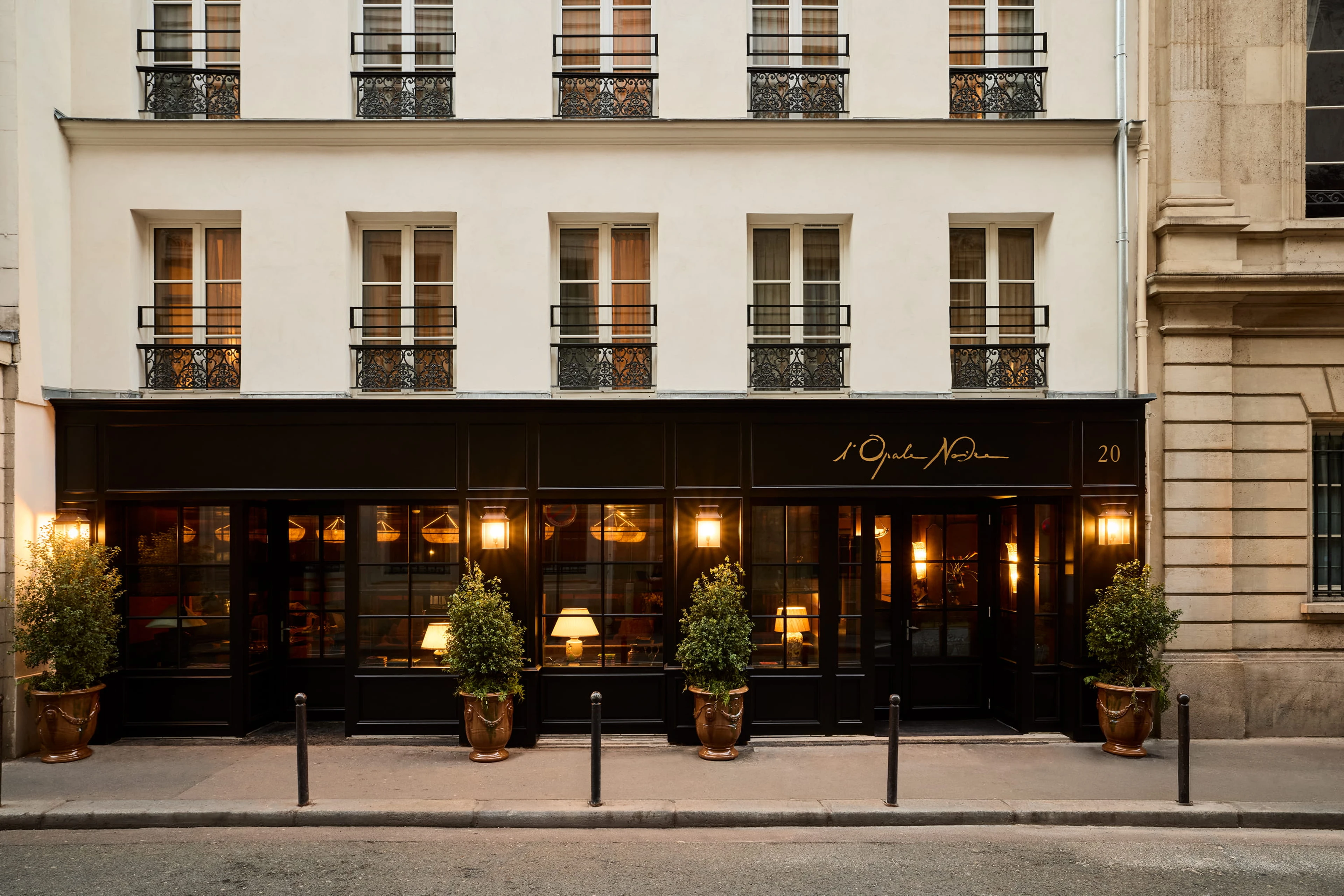
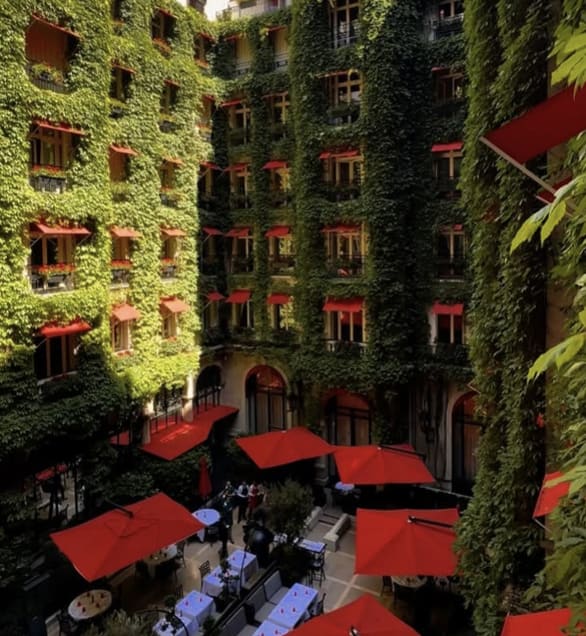
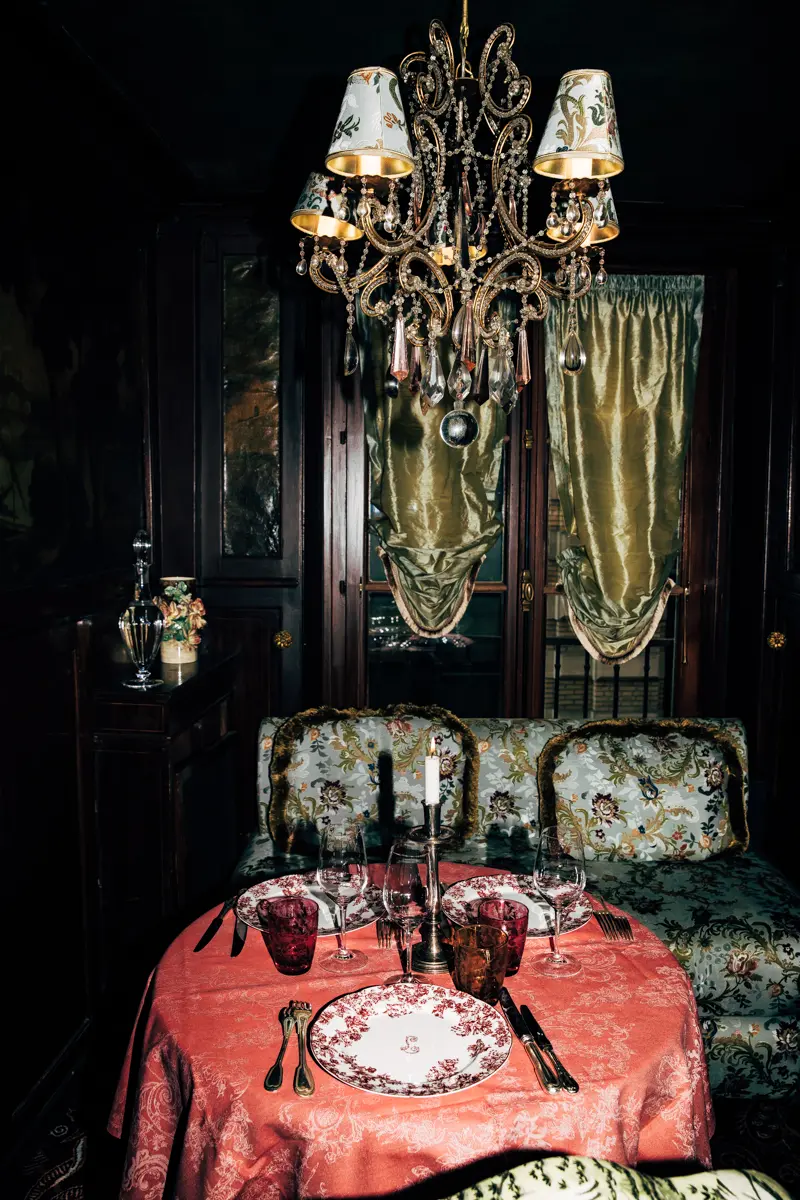
A former maison close turned into one of the most atmospheric small hotels in Paris. 20 rooms, Haussmann bones, intimate and deliberately theatrical. The neighborhood is the point — Pigalle at its best.
Philippe Starck's Paris hotel — a converted printing house in the 16th. The rooftop, the pool, the gym, and a genuinely good restaurant. Less central than it should be but worth the compromise for what you get.
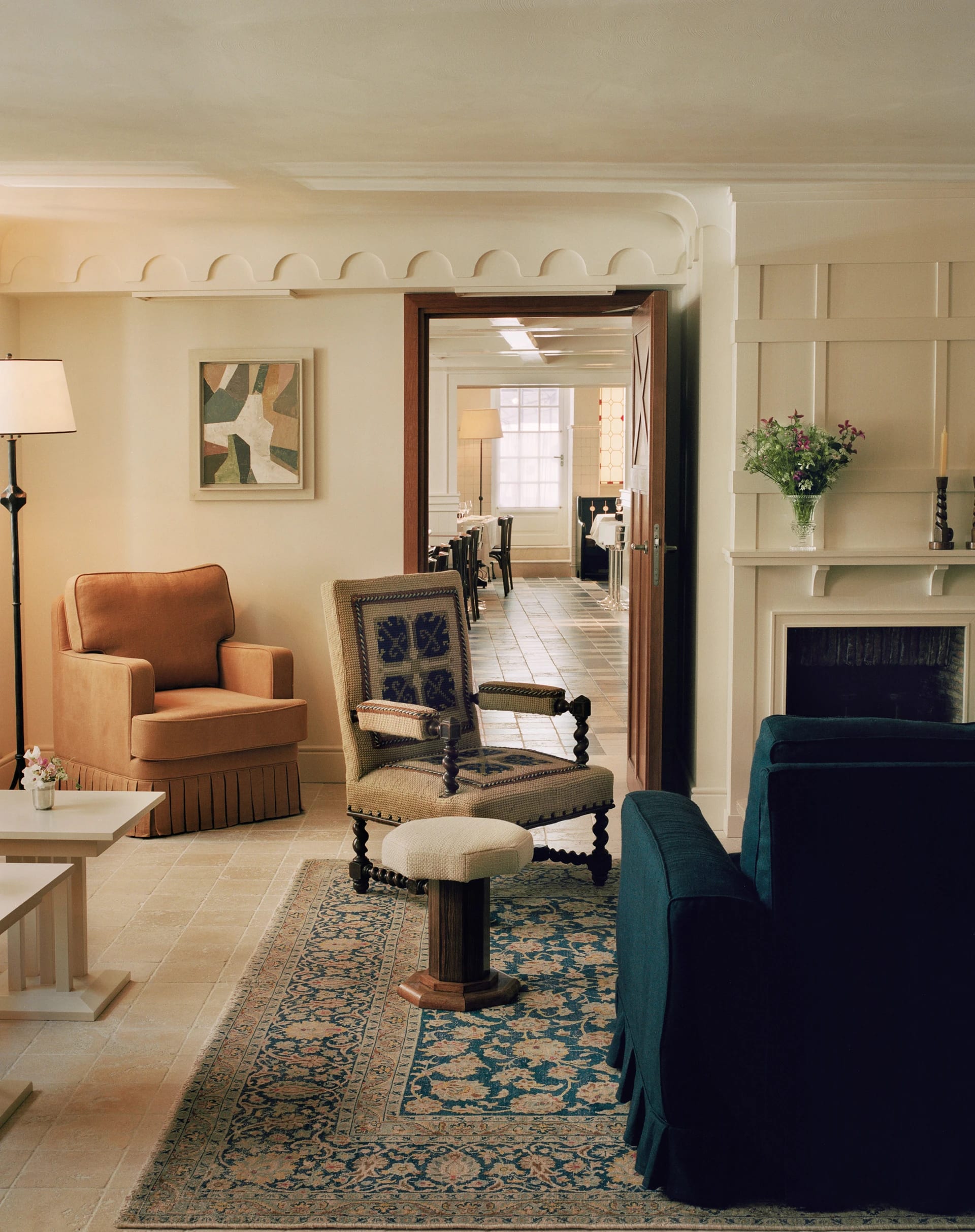
The Marais address, the right size, the right price. 60 rooms in a building with Haussmann bones and a thoughtful contemporary interior. The best value proposition in the central Paris boutique market.
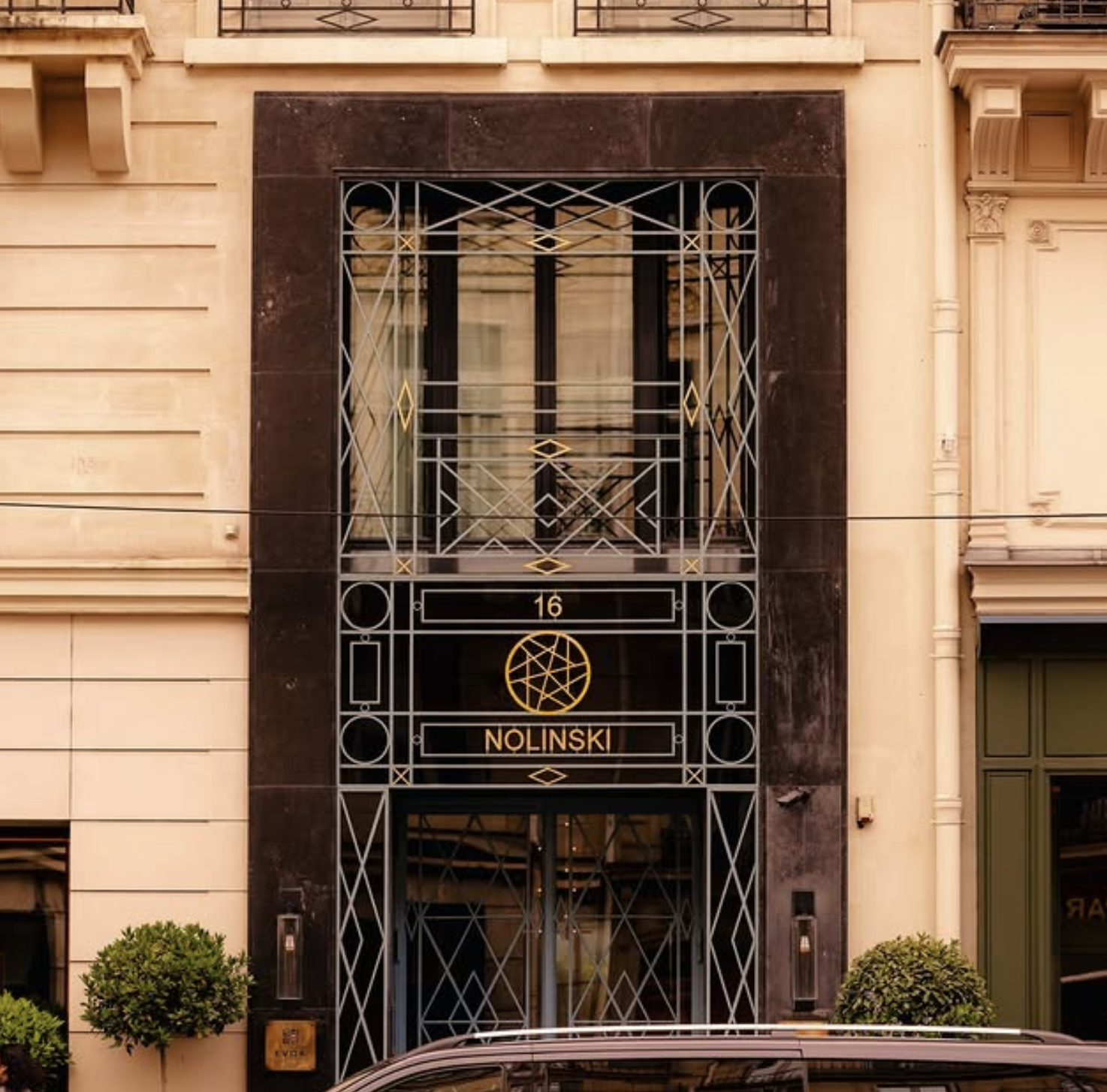
The Paris original of the group — what Nolinski Venezia aspires to. On the Avenue de l'Opéra, the Palais-Royal around the corner. The same bottles, the same Christofle, the same standard.
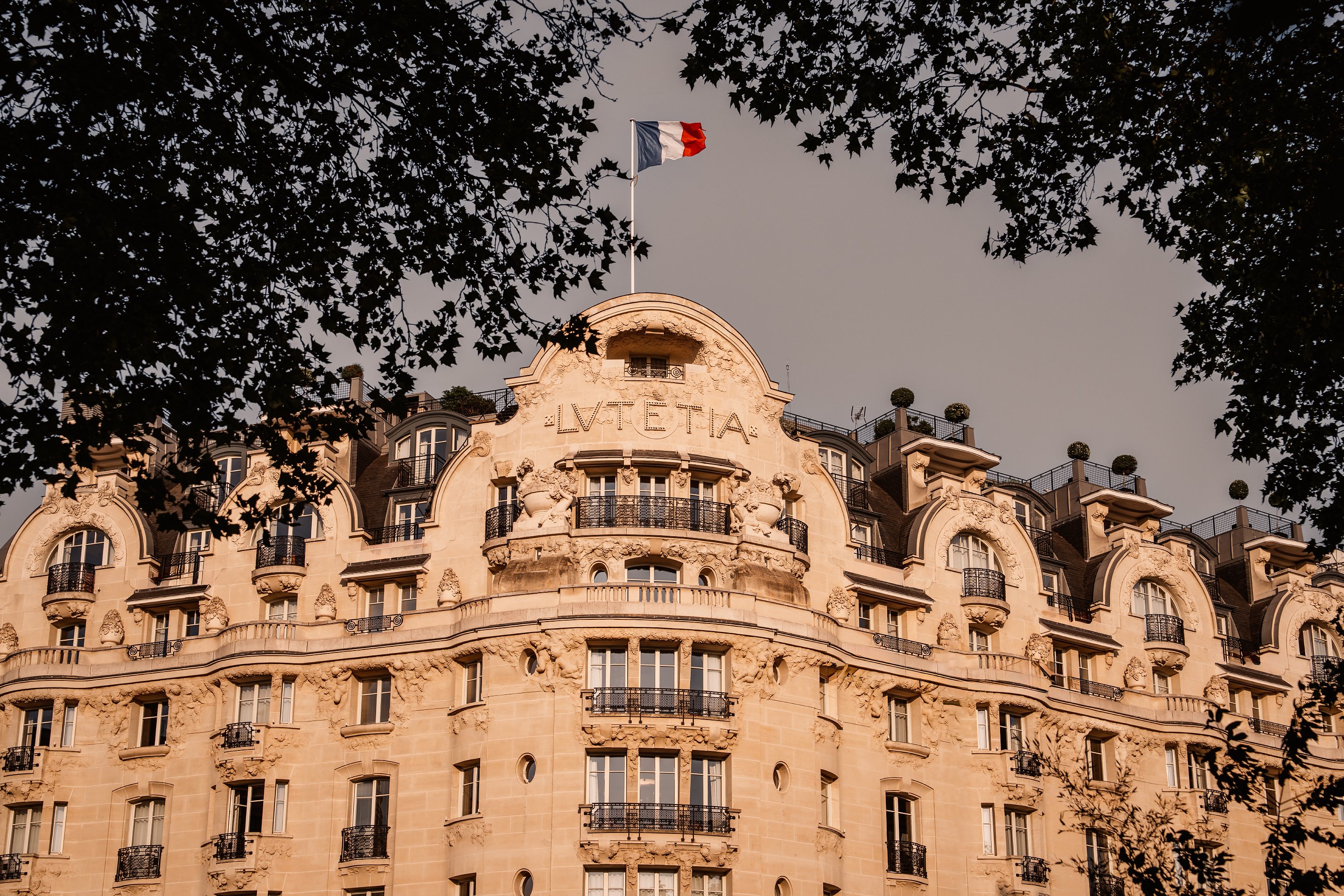
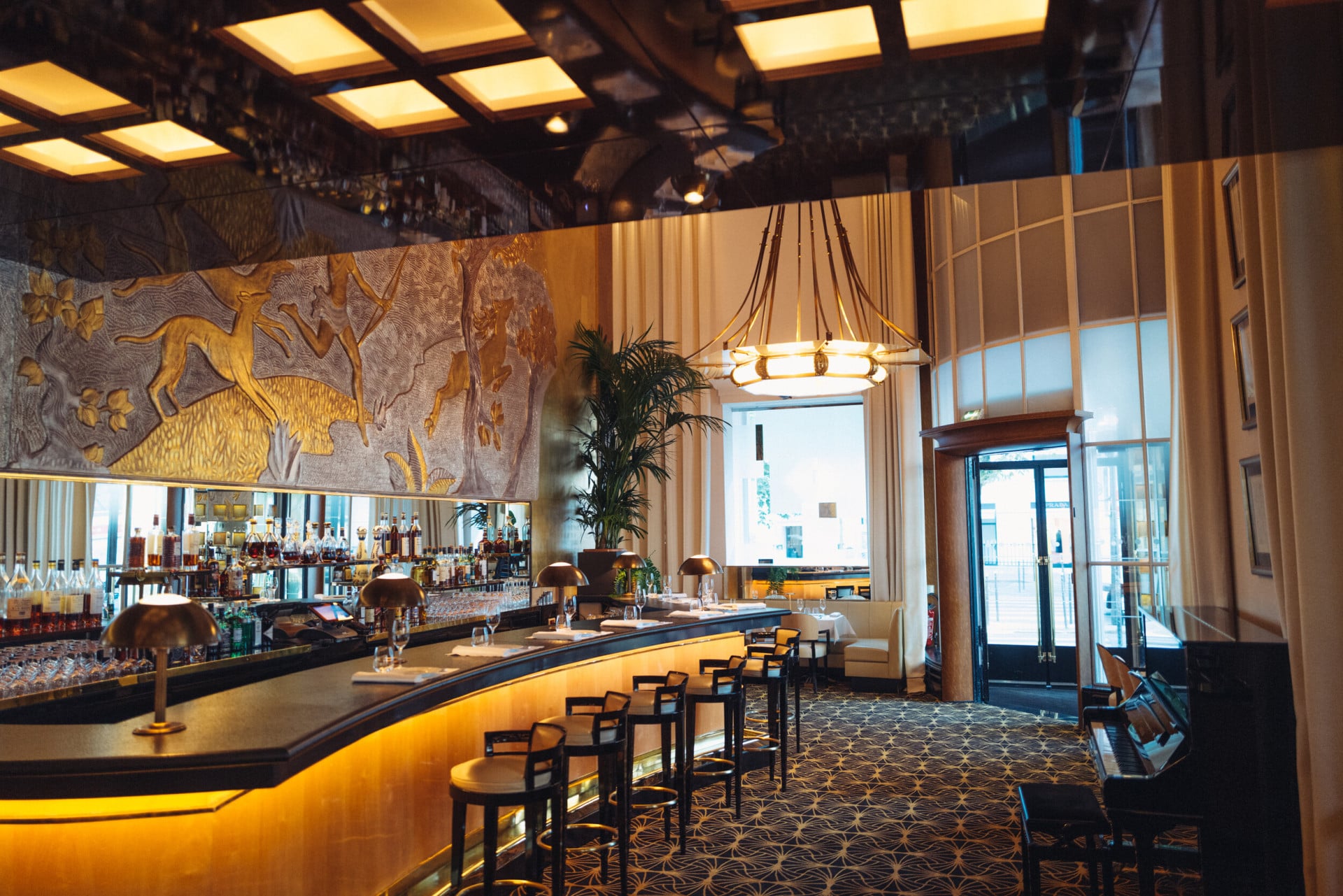
The only Art Deco palace hotel on the Left Bank, reopened after a four-year renovation in 2018. The bar is one of the great hotel bars in Paris. Saint-Germain is the neighborhood. The price is high but the location is irreplaceable.
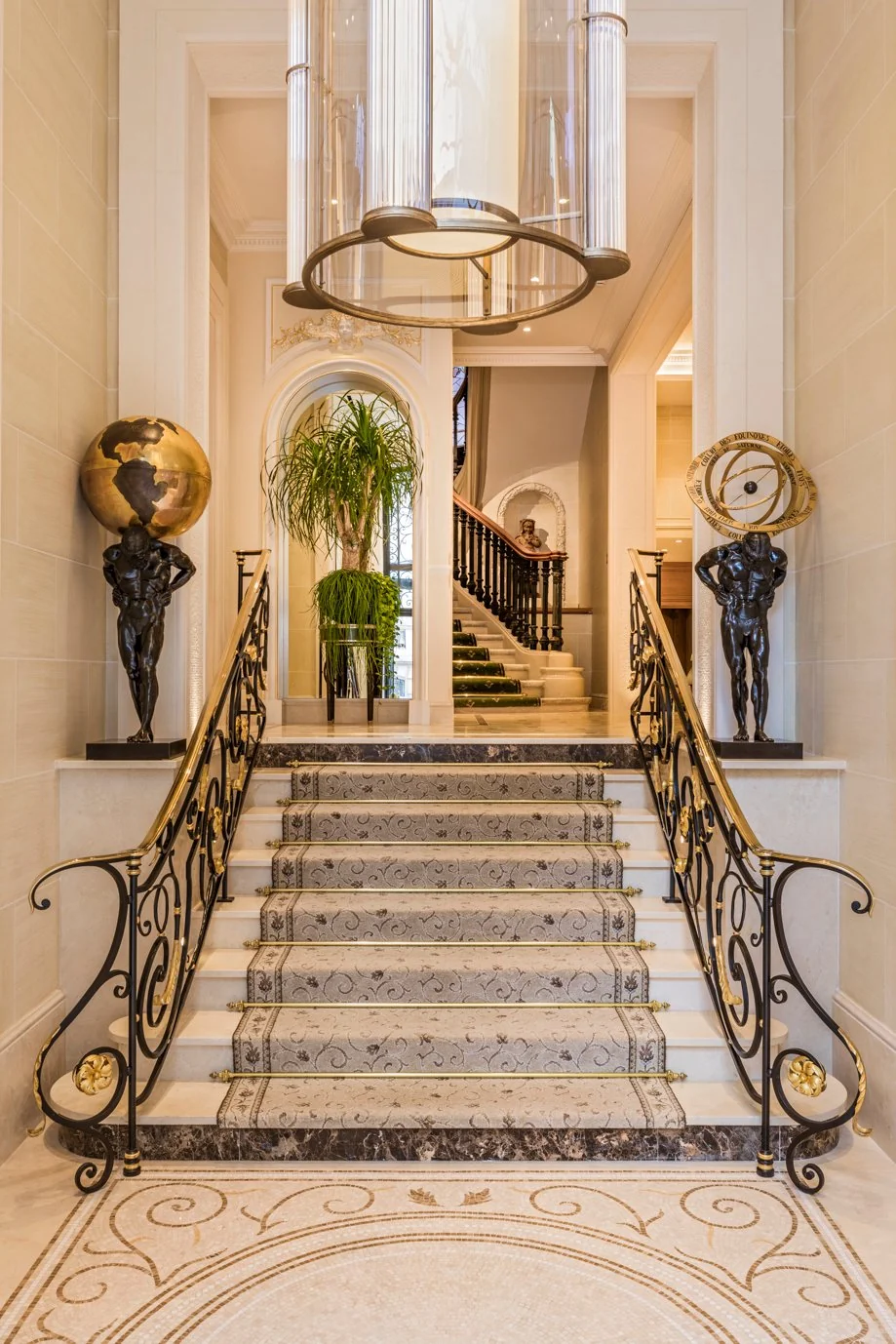
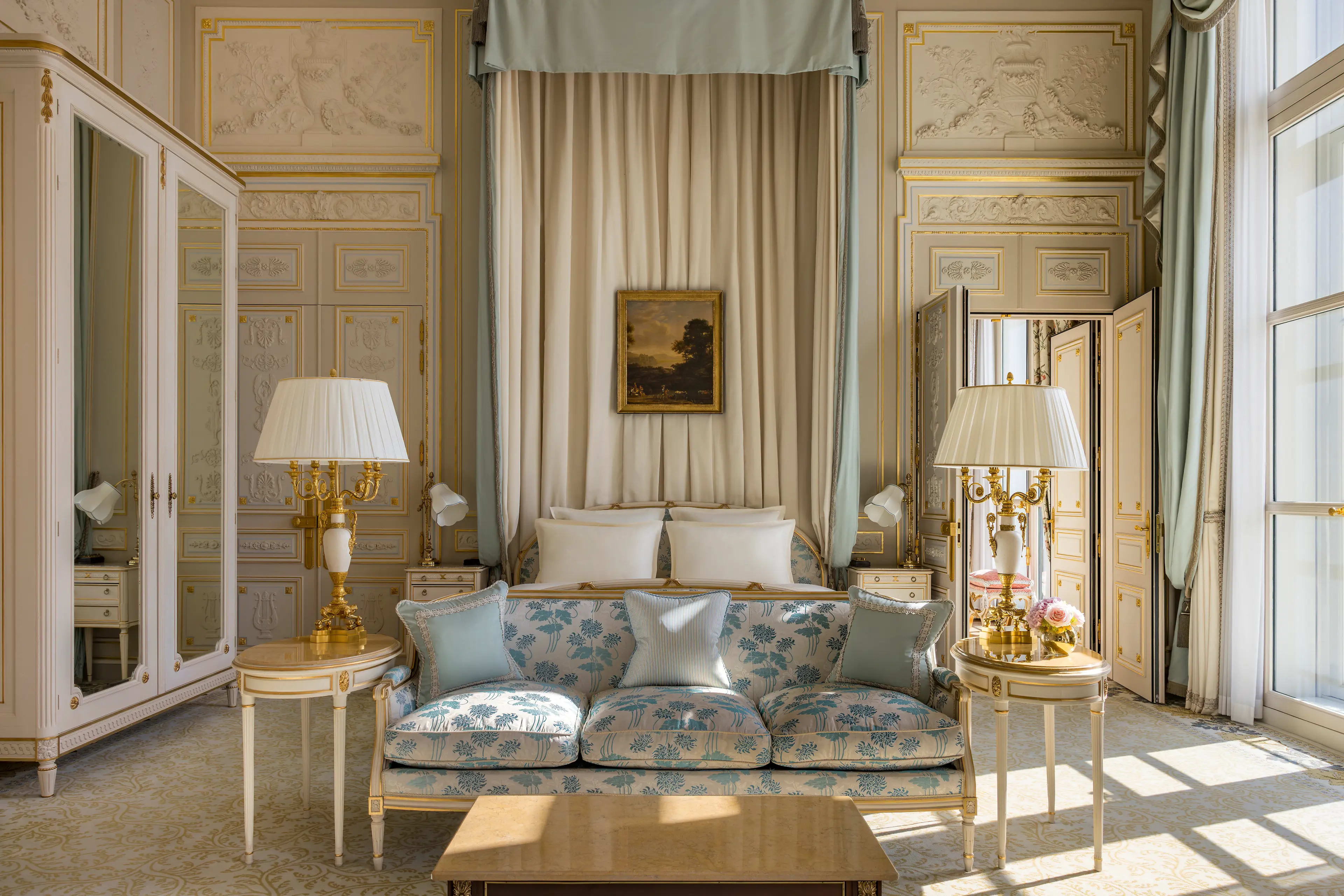
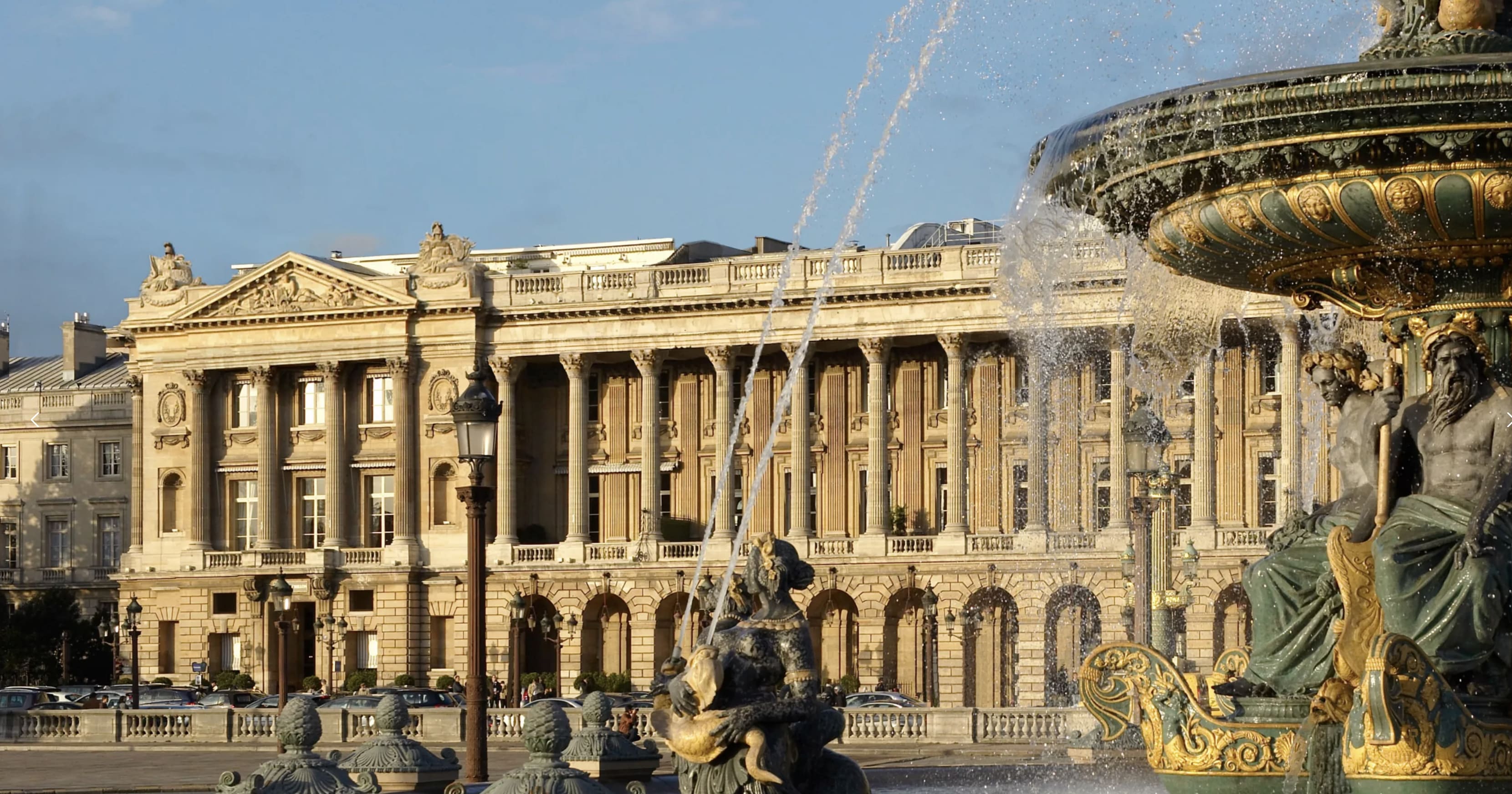
The Paris palace tier — among the finest hotels in the world.
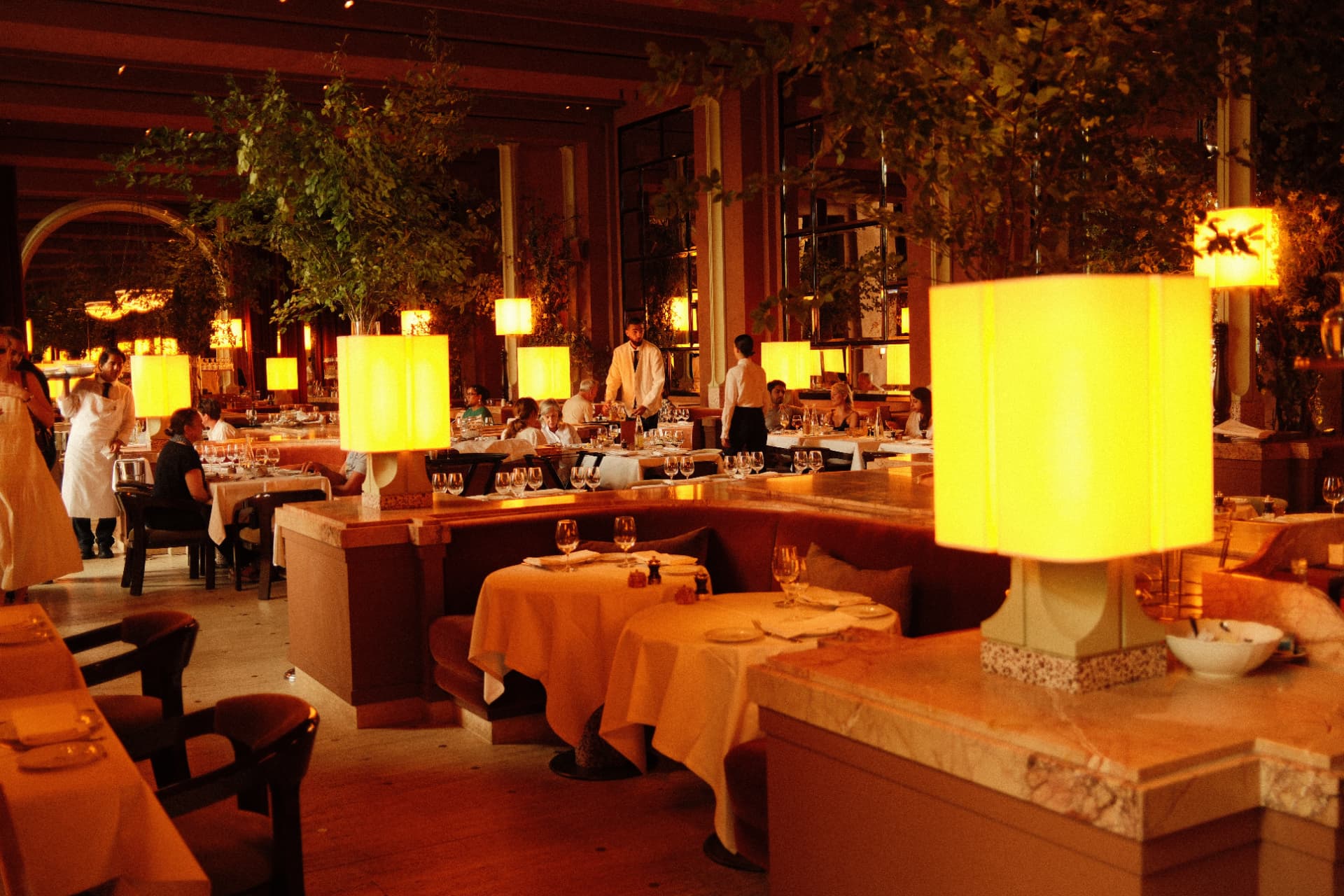
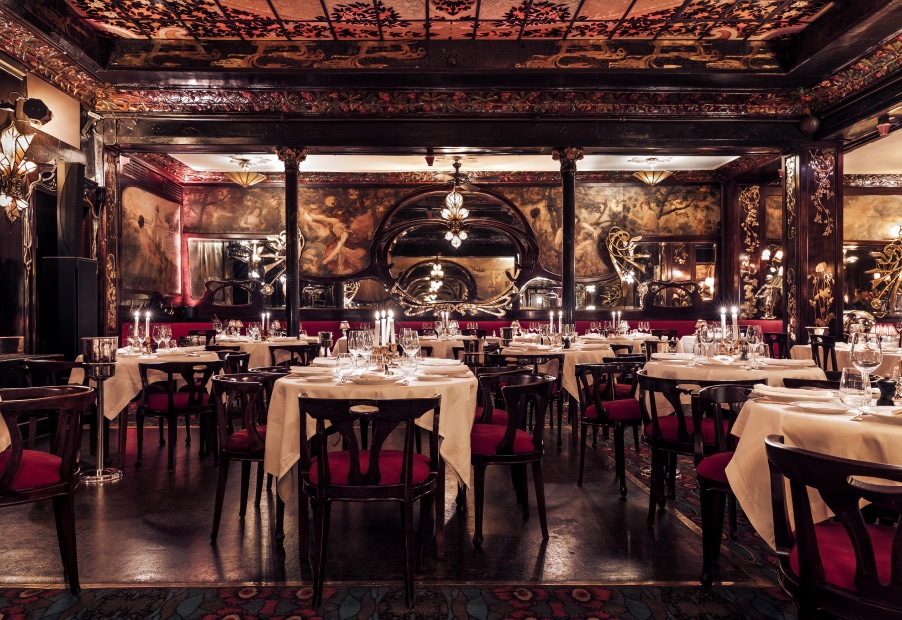
The restaurants near the tourist monuments are, without exception, performing for visitors. Walk past them. The ones below are cooking for Parisians.
Paris takes its bakeries more seriously than any other city. These are the addresses that justify the reputation.
Paris bars range from the historic to the genuinely great. These are the rooms worth being in after dinner.
Paris is still the city where shopping rewards walking. The best shops are not on the Champs-Élysées. They are in the covered passages, the quiet streets of the Marais, and the arrondissements that tourists have not yet discovered.
Paris has been producing things worth looking at for several centuries. These are the experiences worth building your days around — beyond the obvious.
We have pinned every hotel, restaurant, bar, and shop from this guide into a single Paris map. One tap and it lives in your Google Maps — ready for the trip.
Any restaurant on the Champs-Élysées
Tourist prices, not Parisian food.
Any café charging over €6 for an espresso
Stand at the bar. Pay the correct price.
Ladurée on the Champs-Élysées
The Rue Bonaparte location is better and less crowded.
The Moulin Rouge
Unless someone else is paying and you have never been.
Any restaurant within 200 meters of the Eiffel Tower
The view is the product. The food is not.