Rome is Nouri's city in a different way than Venice is. Venice he found before most people had heard of the right hotels. Rome he knows the way you know a city where you once lived — not as a visitor mapping monuments but as someone who has a table at Ristorante Nino. The waiter stopped handing him a menu three visits ago. He studied here. Cornell, semester abroad, spring. That was years before we met. He has never quite left.
This matters because Rome is genuinely two cities. There is the Rome that exists for people who did not do the research — the restaurants within sight of the Colosseum, the hotels charging for their address rather than their execution, the Trevi Fountain at noon in August surrounded by everyone who had the same idea simultaneously. And then there is the other Rome, which has been available to the person who knows where to look for two thousand years and will continue to be available to that person with complete indifference to everyone else. Nouri knows where to look. We go in January. The streets belong to us.
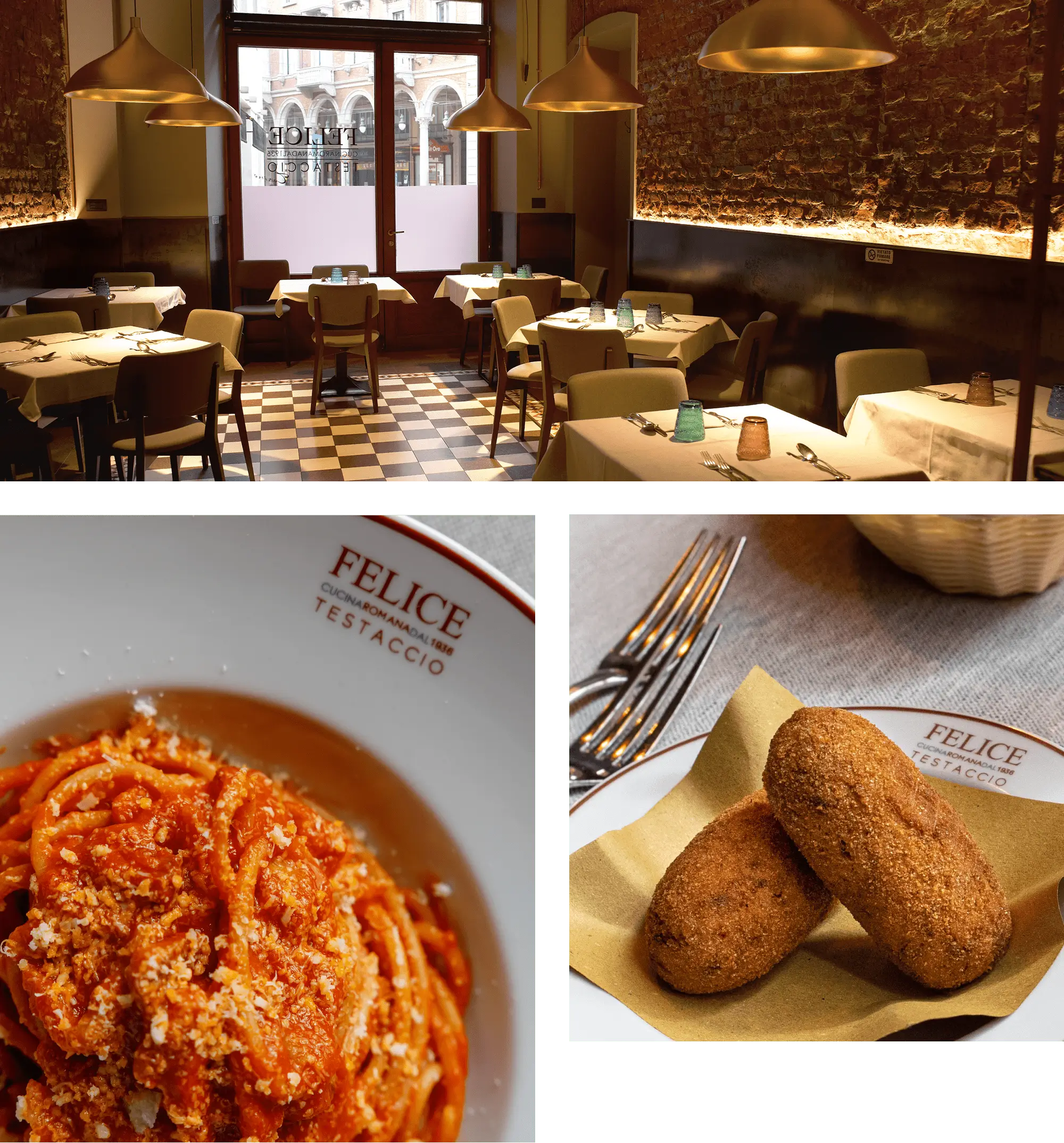
The restaurant list on this page is the one we actually use. Taverna Trilussa in Trastevere for what we will argue without hesitation is the best cacio e pepe in Rome — and we have had the argument with people who disagree, and we have won it. Felice a Testaccio, where the tonnarelli is made at the table and the menu has not changed since 1936 because there is no reason it should. Roscioli, which is part deli, part wine bar, part restaurant, and entirely serious about all three. These are not new discoveries. They are the places that have been earning their place for decades and are still there because they deserve to be.
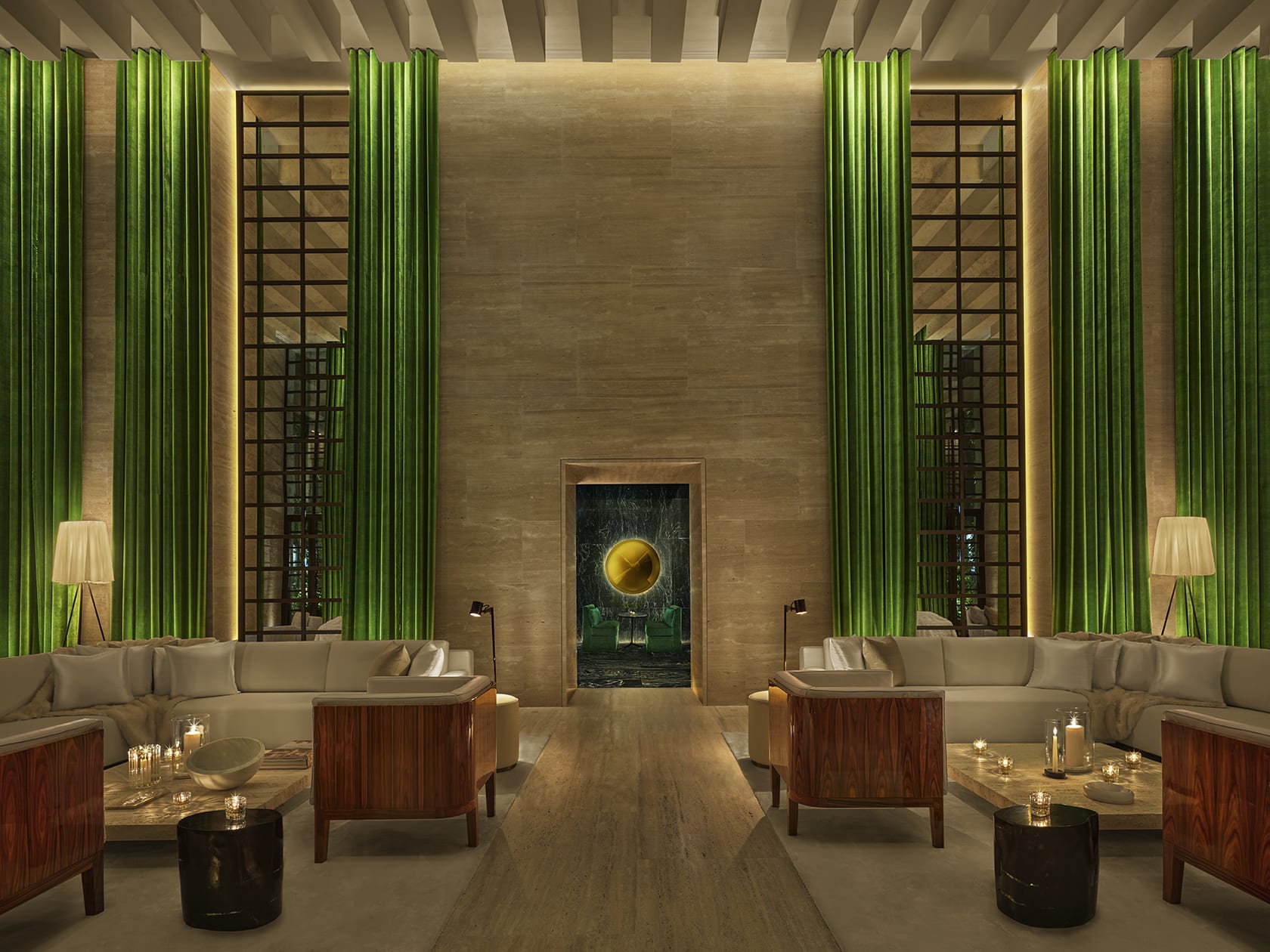
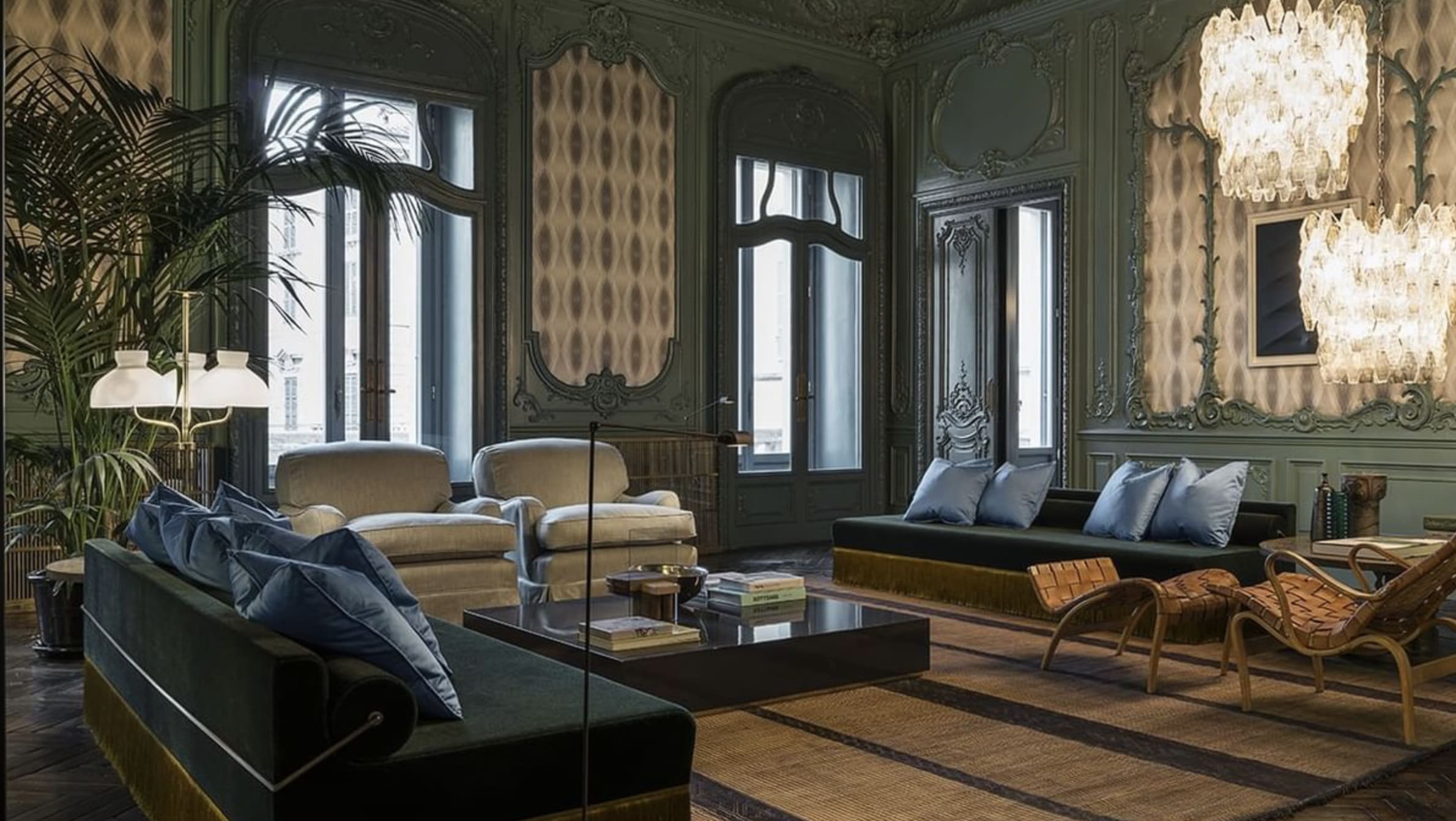
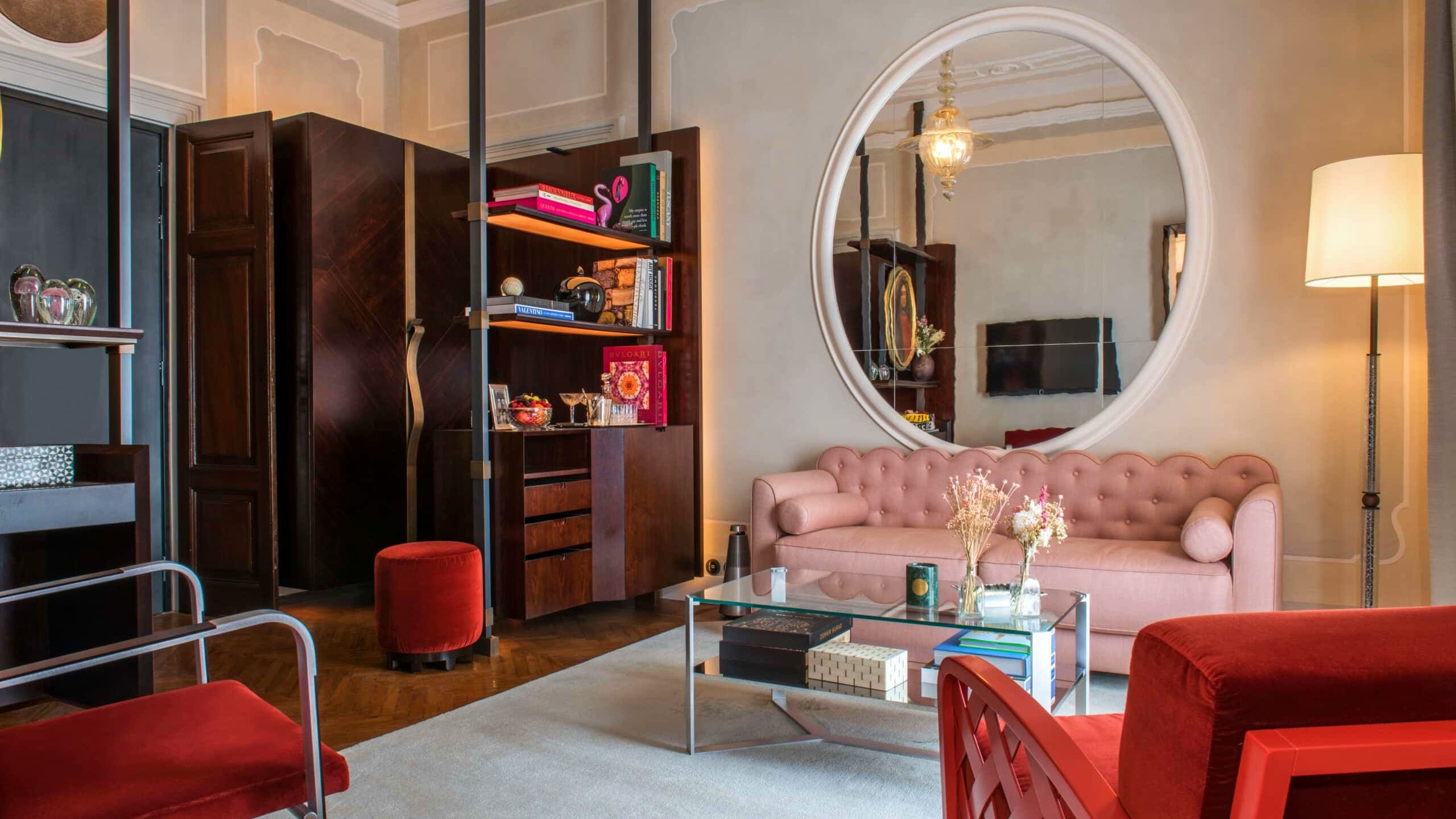
The hotel market has genuinely changed. The Rome Edition on Via Veneto wrote the briefing manual that most Edition properties skip — the concierge team knew our names before we said them, which sounds like a small thing and is not. Palazzo Talia near the Trevi is Luca Guadagnino's first hotel, which tells you exactly what the room will feel like before you walk in. And then there is the other tier — the Orient Express La Minerva, where the rooftop looks directly at the Pantheon dome and the argument for the room rate makes itself. We have never eaten near the Colosseum. We have never waited in a line that a phone call, made in Italian, would not have solved. These two facts are related, and this guide is the reason.
Three hotels in the accessible luxury tier — great locations, genuine character, personally vetted. Rome's hotel market rewards research. Most of the famous names are coasting on their addresses.

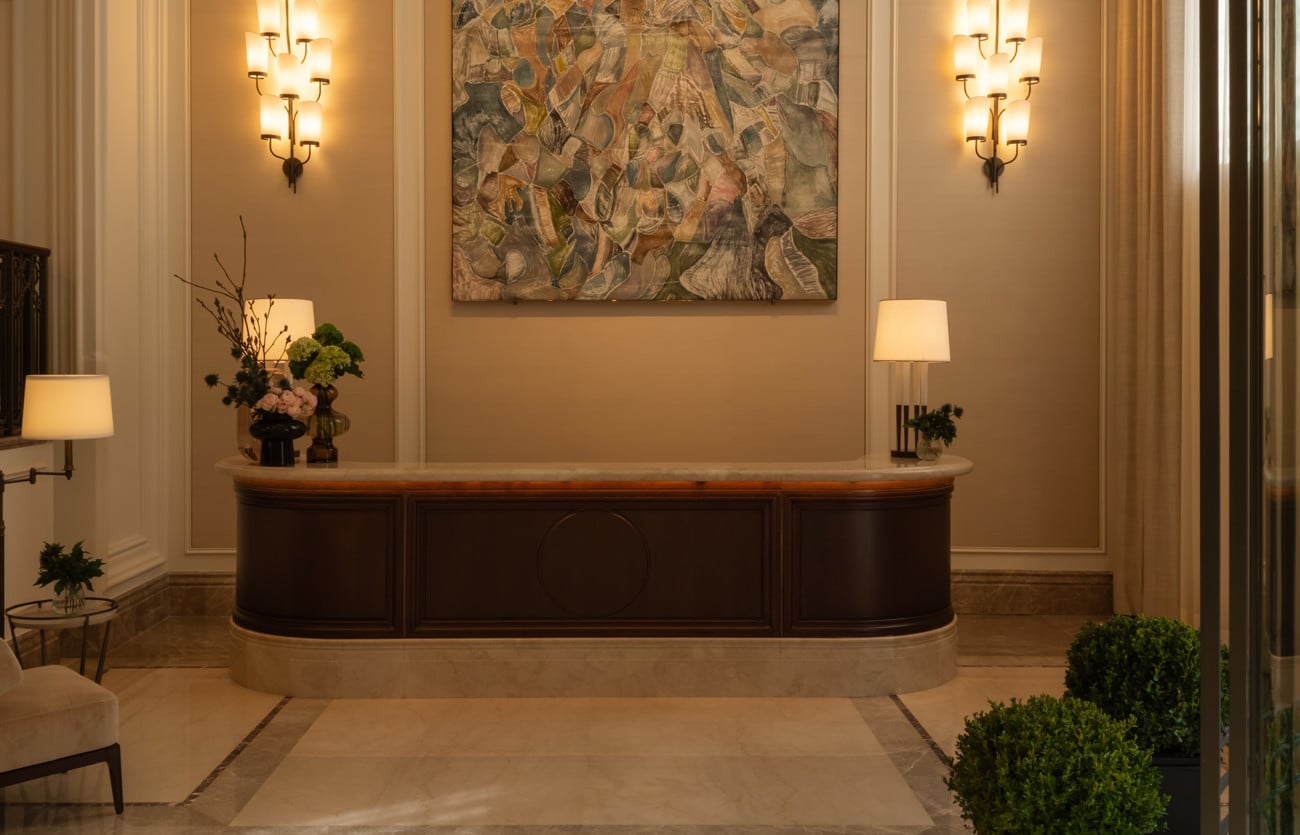
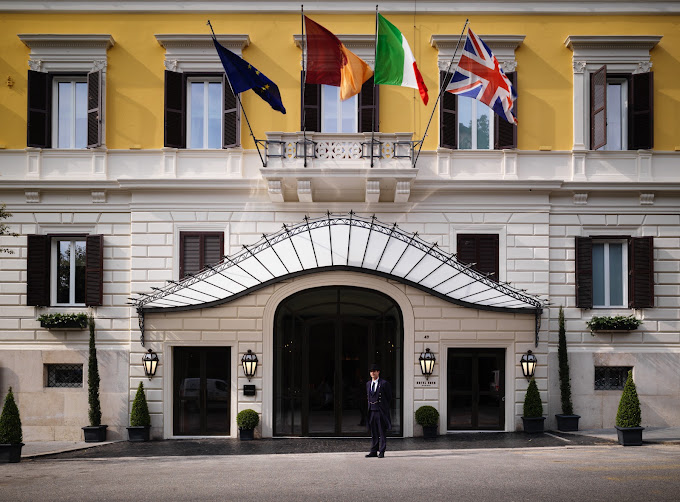
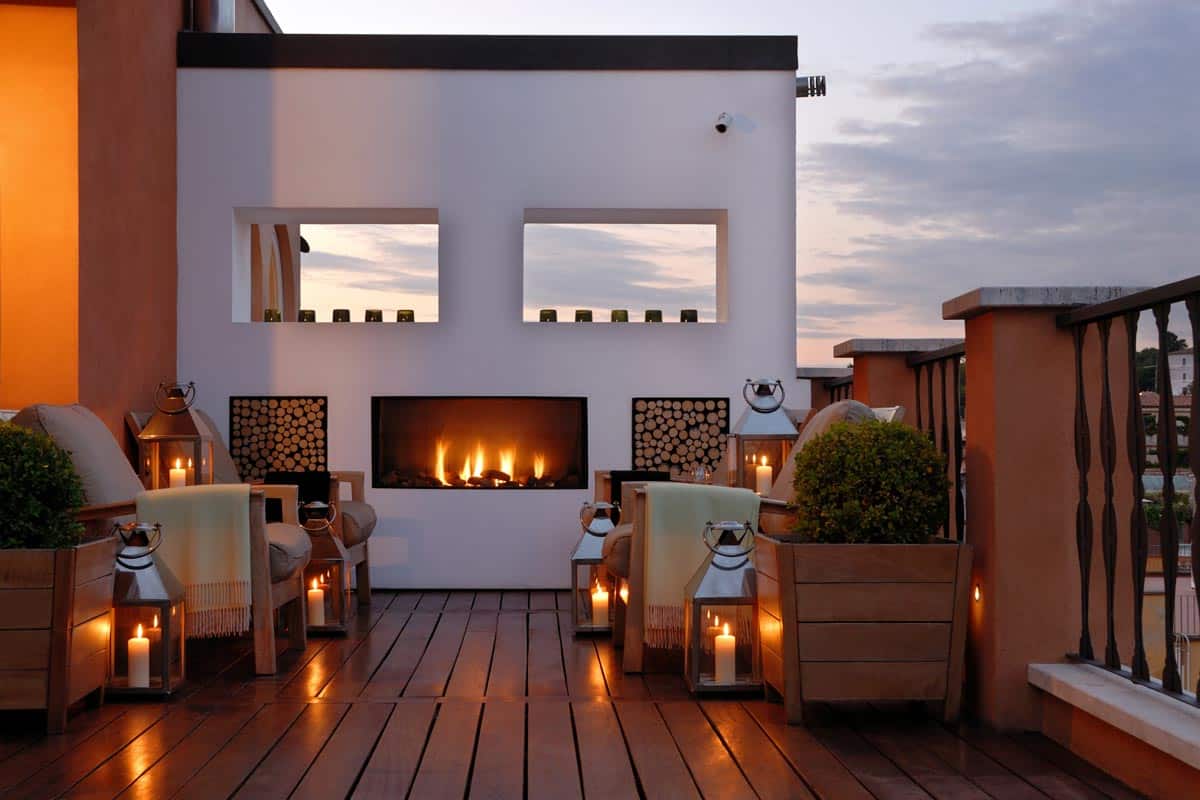
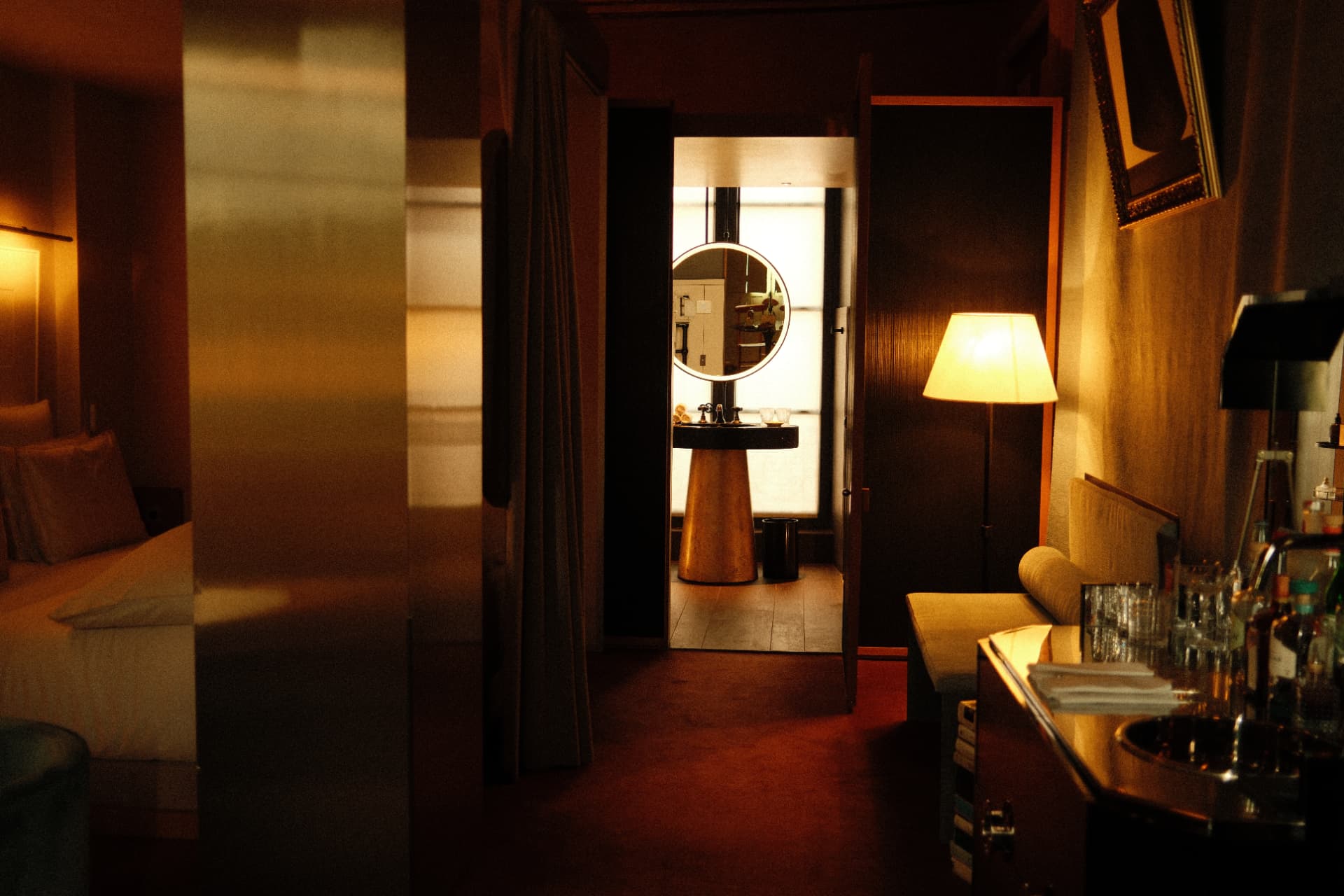
Nestled just steps from Via Veneto and the Spanish Steps, the Rome Edition is one of the better hotels I have stayed at anywhere. Its location is close to everything but just far enough to benefit from a rare oasis of calm. Beyond the central location and stunning interiors — which most Edition properties offer — this one has excellent staff, which not all Editions deliver. The concierge team is seamless. The rooftop terrace and pool are worth your evening. Eat outside the hotel — Rome's food scene makes it hard for any hotel restaurant to compete.

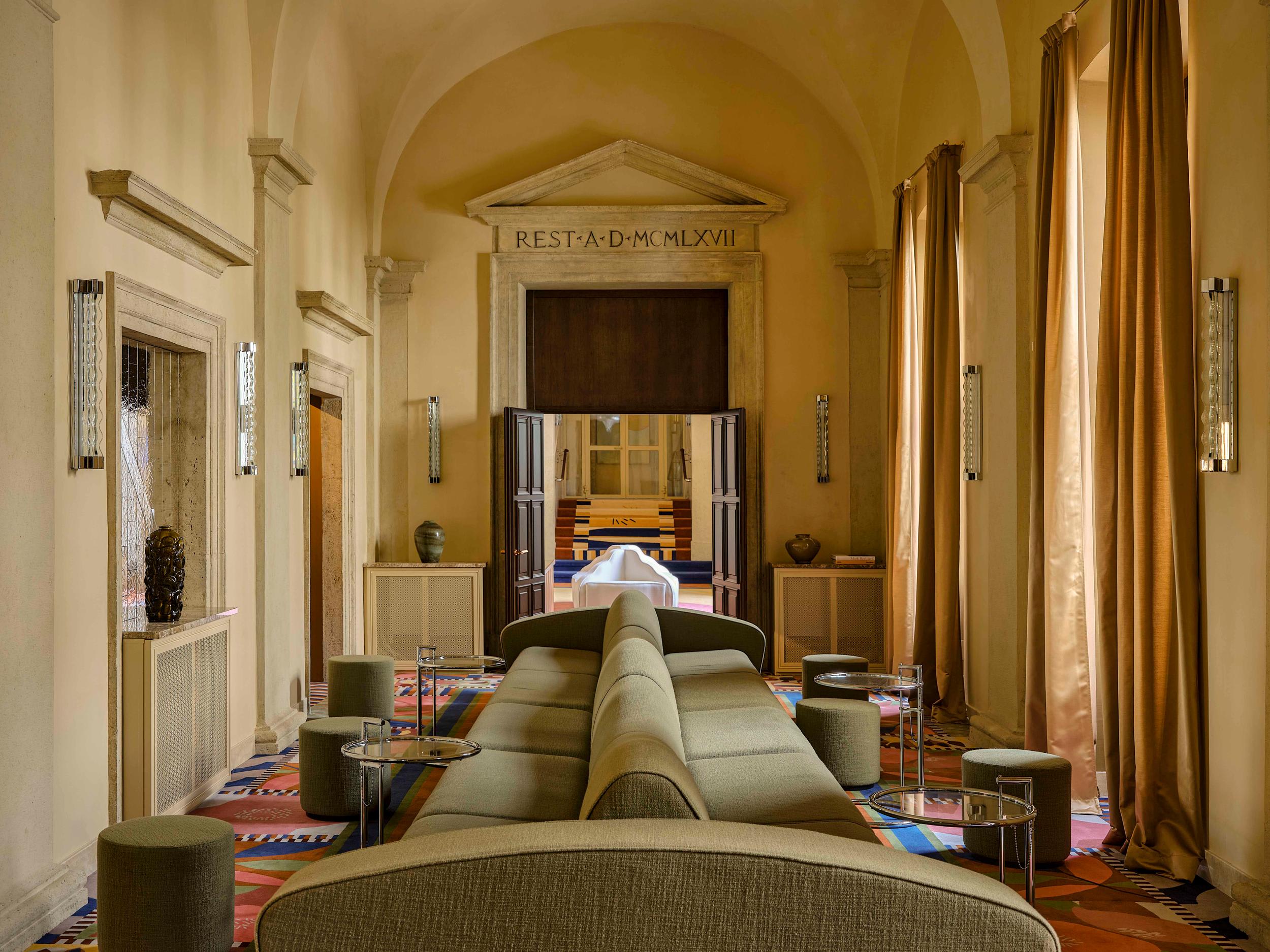
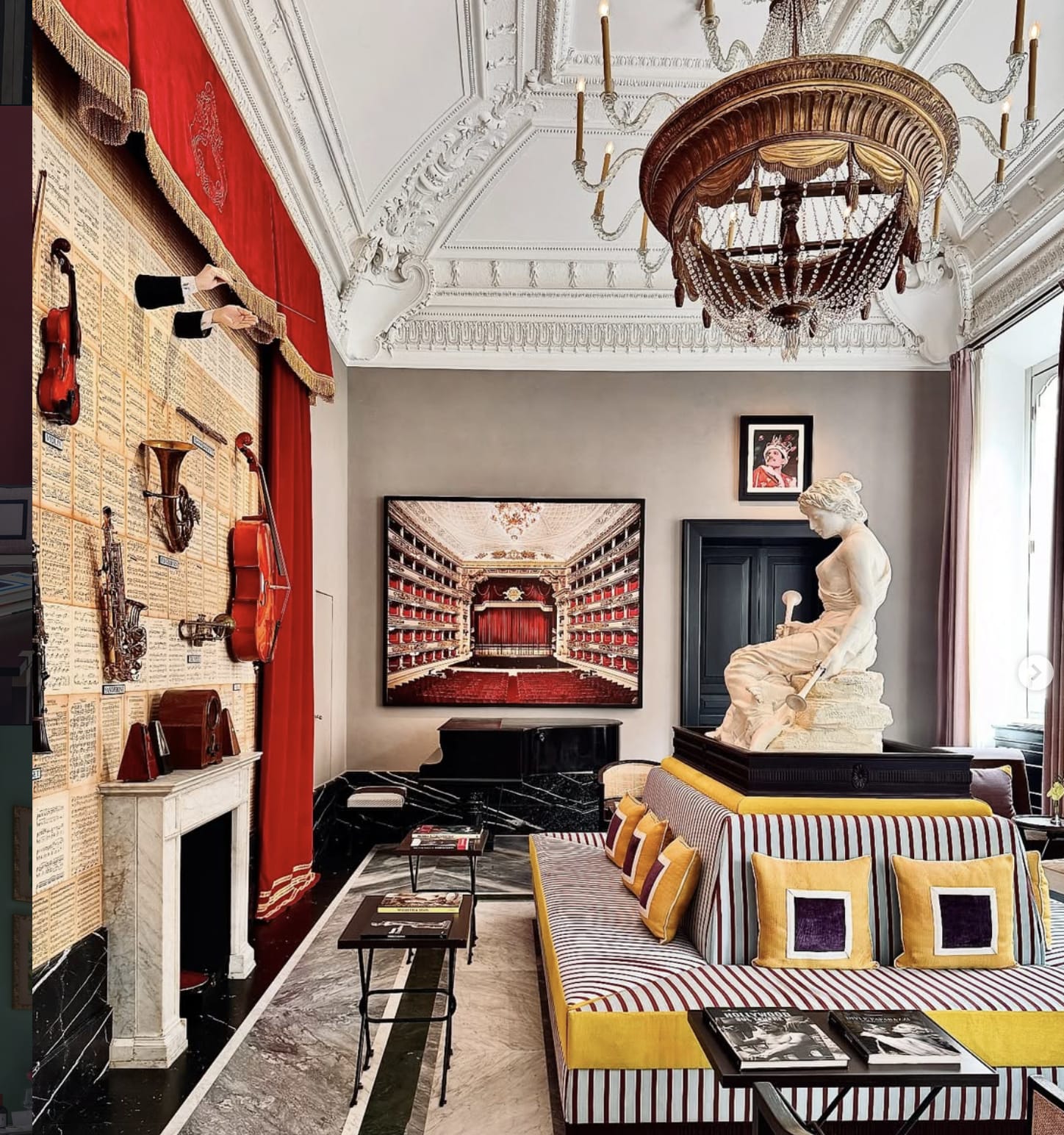
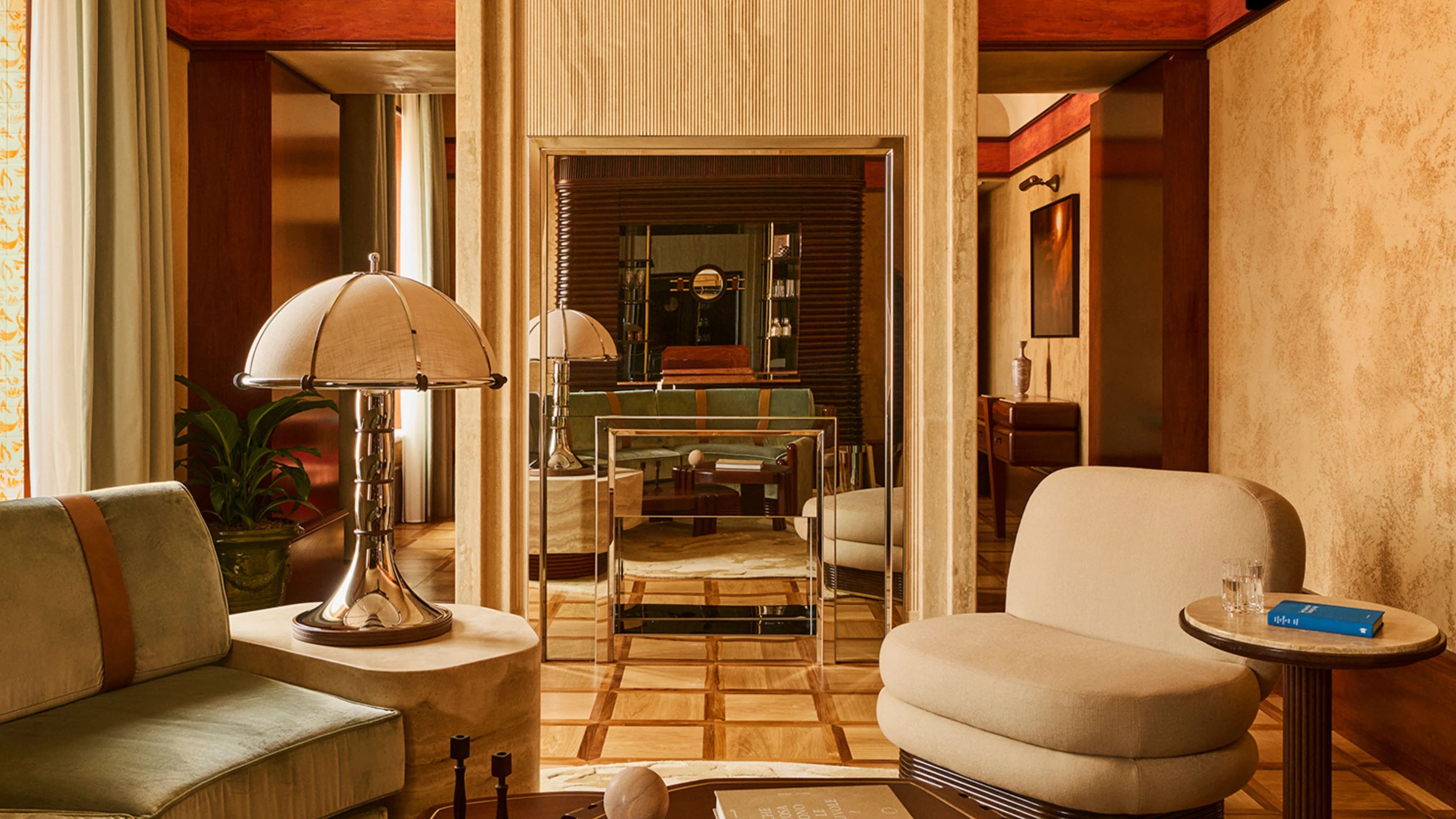
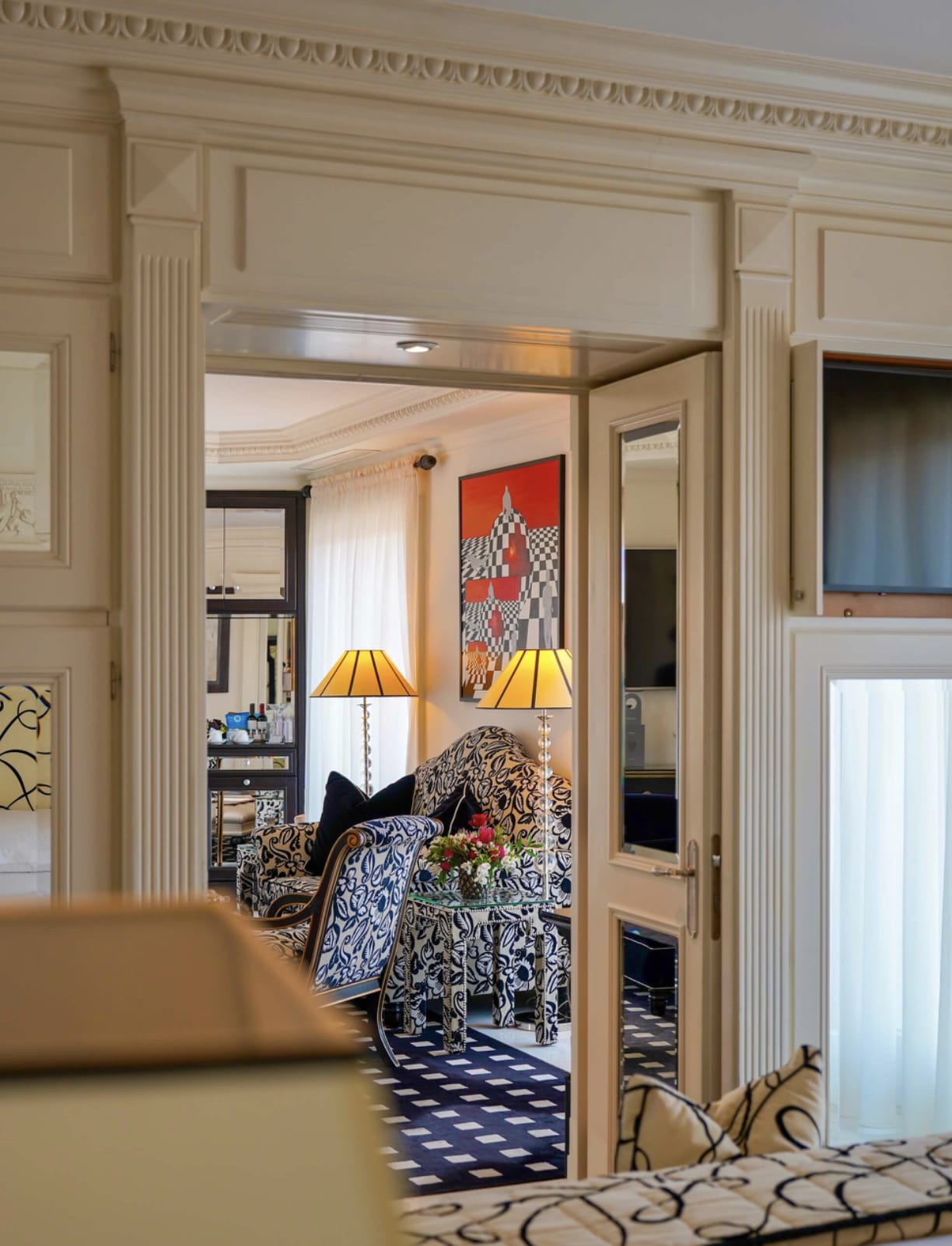
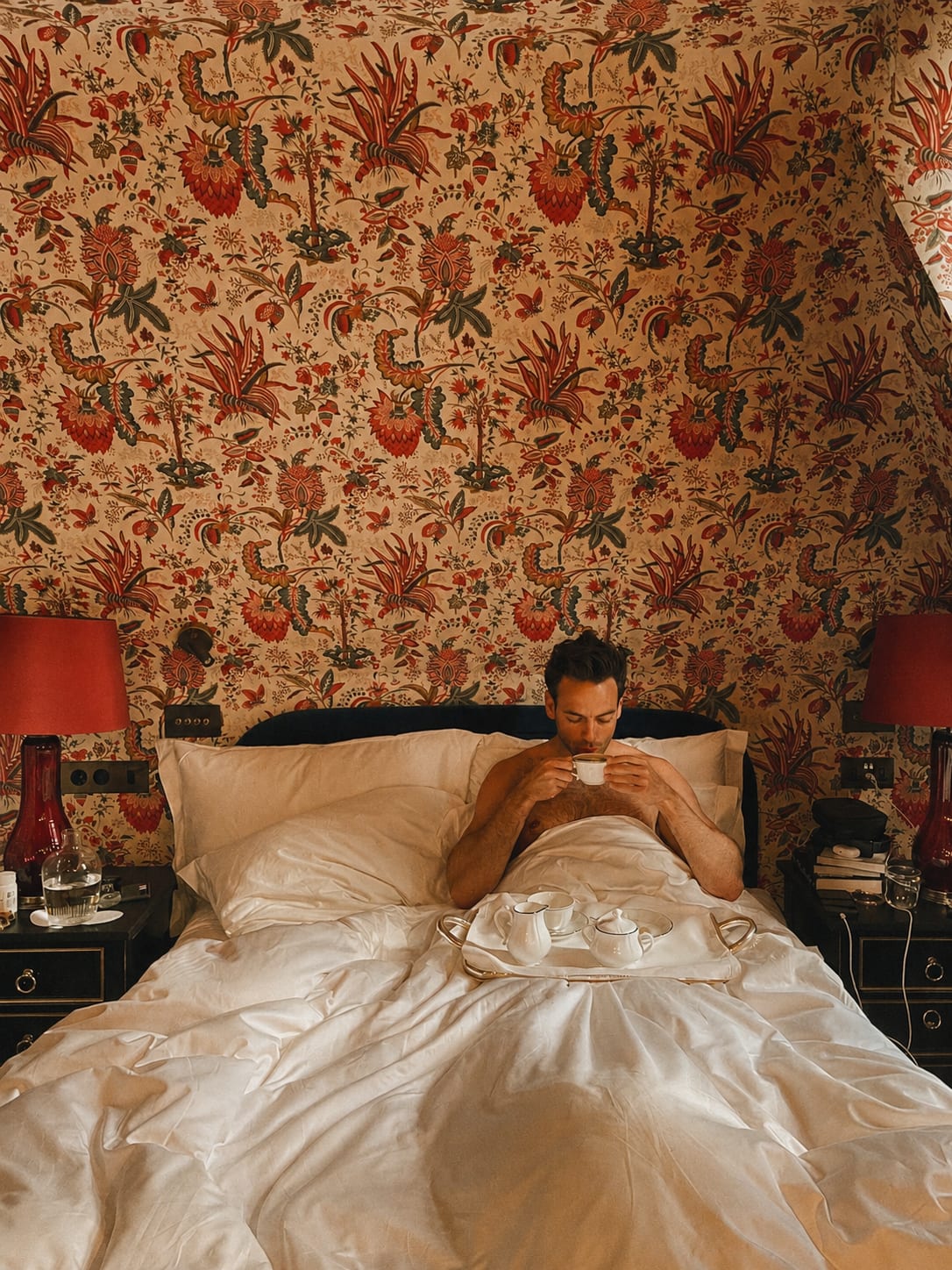
Just 26 rooms in a 16th-century palazzo near the Trevi Fountain and Piazza di Spagna. Partly designed by filmmaker Luca Guadagnino — his debut in hospitality design. The result is cinematic and intimate in the way that only small Roman palazzos can be. Reasonable pricing in the off-season. The right hotel for a particular kind of traveler — the one who wants to feel like they live here, not like they are visiting.

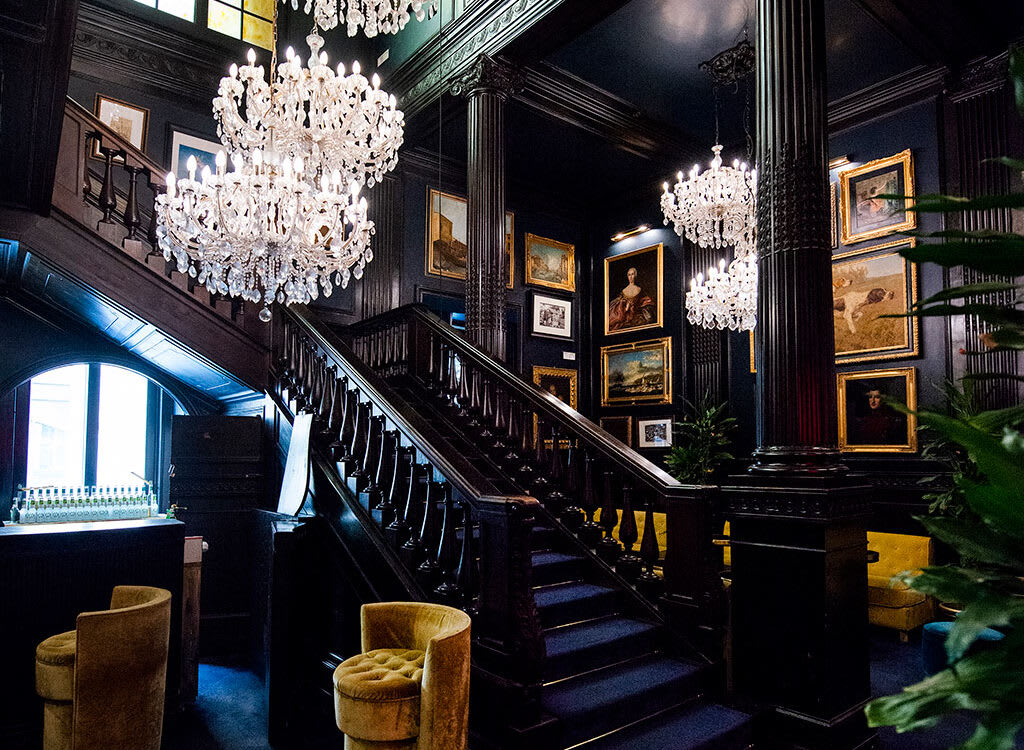
A meticulously restored 17th-century palace that opened in 2023. The location on Via del Corso puts you in the middle of everything — which is both the appeal and the caveat. 39 rooms, each with original frescoes, coffered ceilings, and inlaid wood panels. Roman baroque meets orientalism. Unlike the Edition, this hotel will give you every sense that you are in Rome. Pricing is reasonable, particularly in the off-season.
Two more hotels in the accessible luxury tier.
A converted Dominican monastery near the Vatican, designed by Studio Marco Piva. The cloister is a working garden in the center of the city. Quiet in a way that Rome rarely manages.
A 19th-century palazzo near the Vatican. 31 rooms, rooftop terrace, the proportions that Roman buildings do better than anywhere else. Consistently well-reviewed by the people whose reviews are worth reading.
Ten exceptional hotels above the VV sweet spot.
17th-century palazzo steps from the Pantheon. The rooftop looks directly at the dome. Designed by Aline Asmar d'Amman.
The crystal house's first hotel. All Baccarat crystal throughout. Extraordinary if the aesthetic lands.
Recently opened on Rome's most storied address. The Rosewood standard applied to Rome.
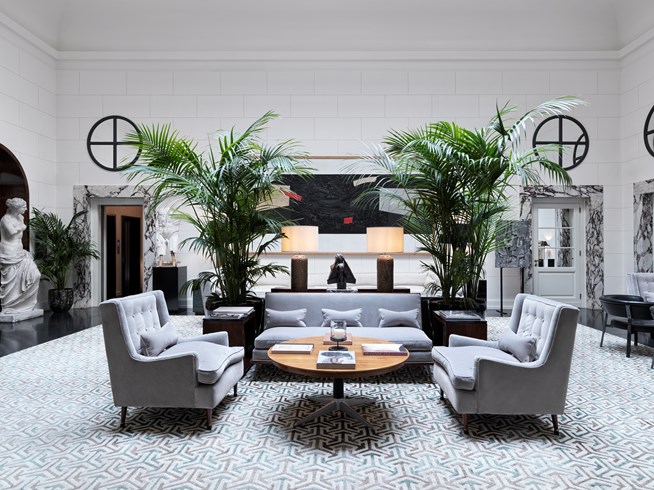
Grand 19th-century palazzo. One of the largest hotel spas in Rome. The lobby is one of the great hotel lobbies in the city.
30 rooms at the top of the Spanish Steps. Operates more like a private residence than a hotel.
The rooftop restaurant and bar have the best view of Rome from any hotel terrace.
Four suites above the Fendi flagship. No reception, no lobby. A personal assistant and one of the best addresses in Rome.
Ferragamo's hotel brand. 14 suites above the flagship boutique. The most elegant address in Rome for the traveller who knows what they are doing.
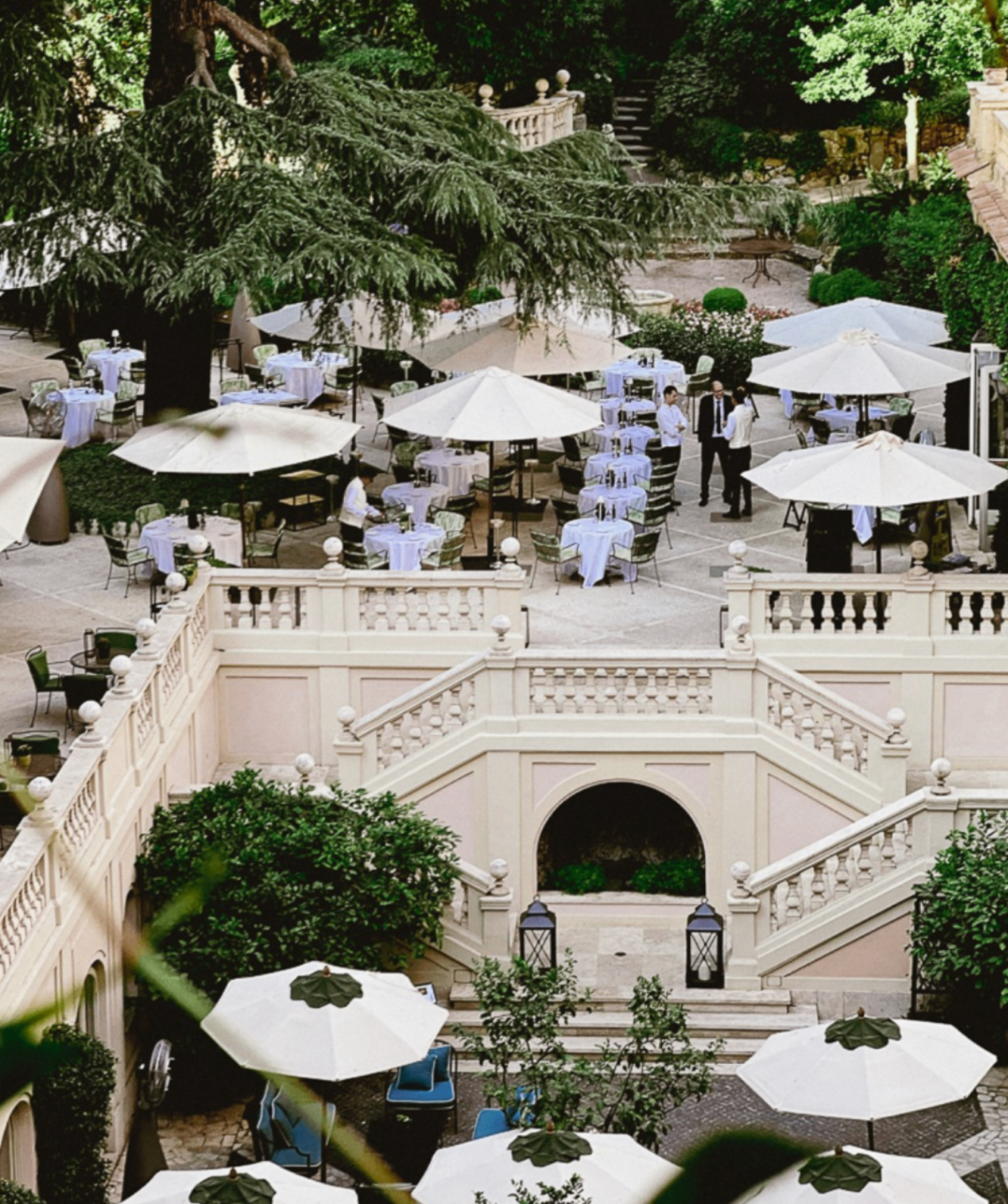
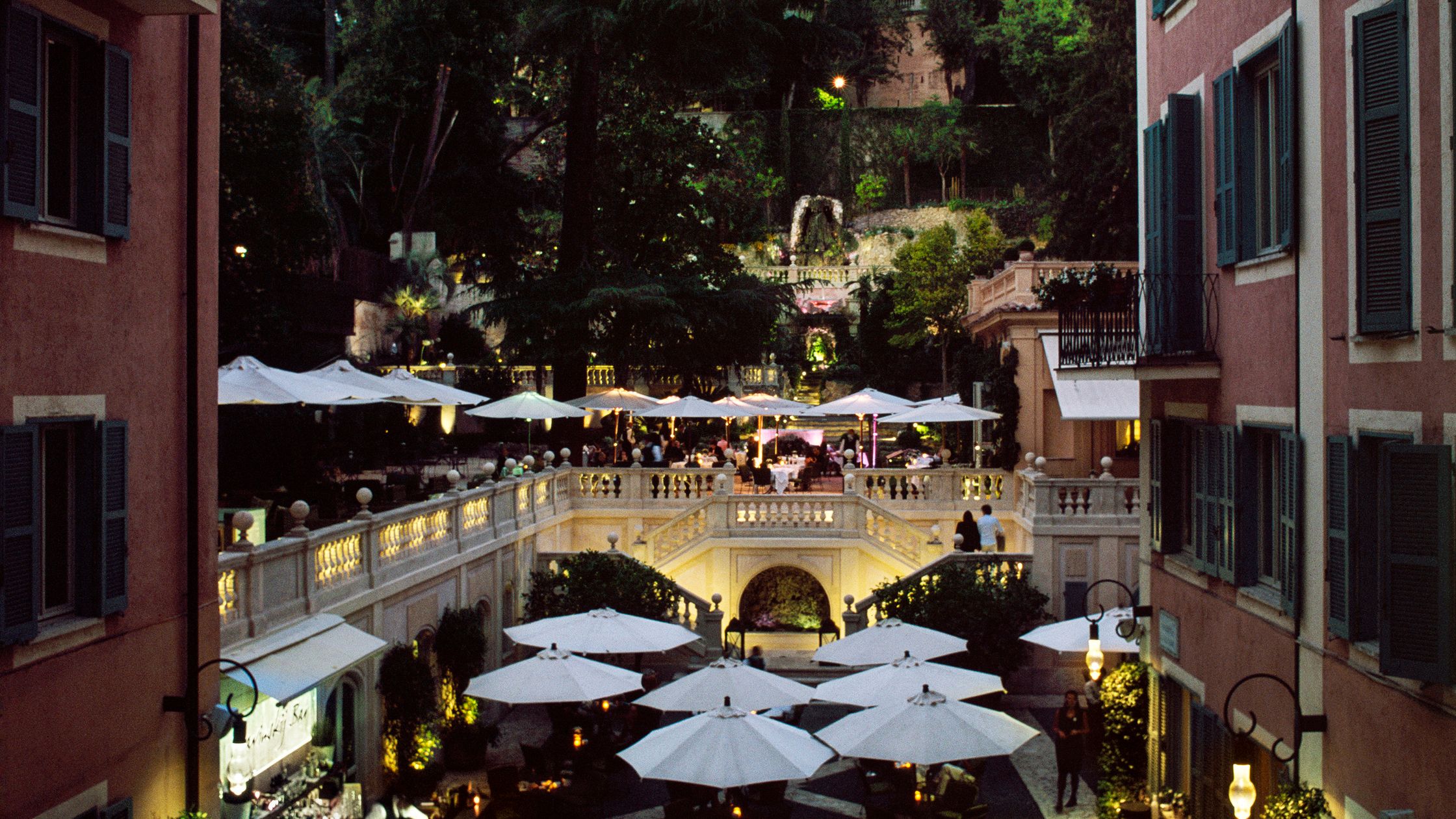
The terraced garden is one of the great hotel gardens in Europe. The bar terrace at aperitivo hour is the reason people come back.
Crowning the Spanish Steps. Family-owned for six generations. The view from Imàgo is the one every Rome photograph wants to be.
Rome has been feeding people for two thousand years and has strong opinions about how it should be done.
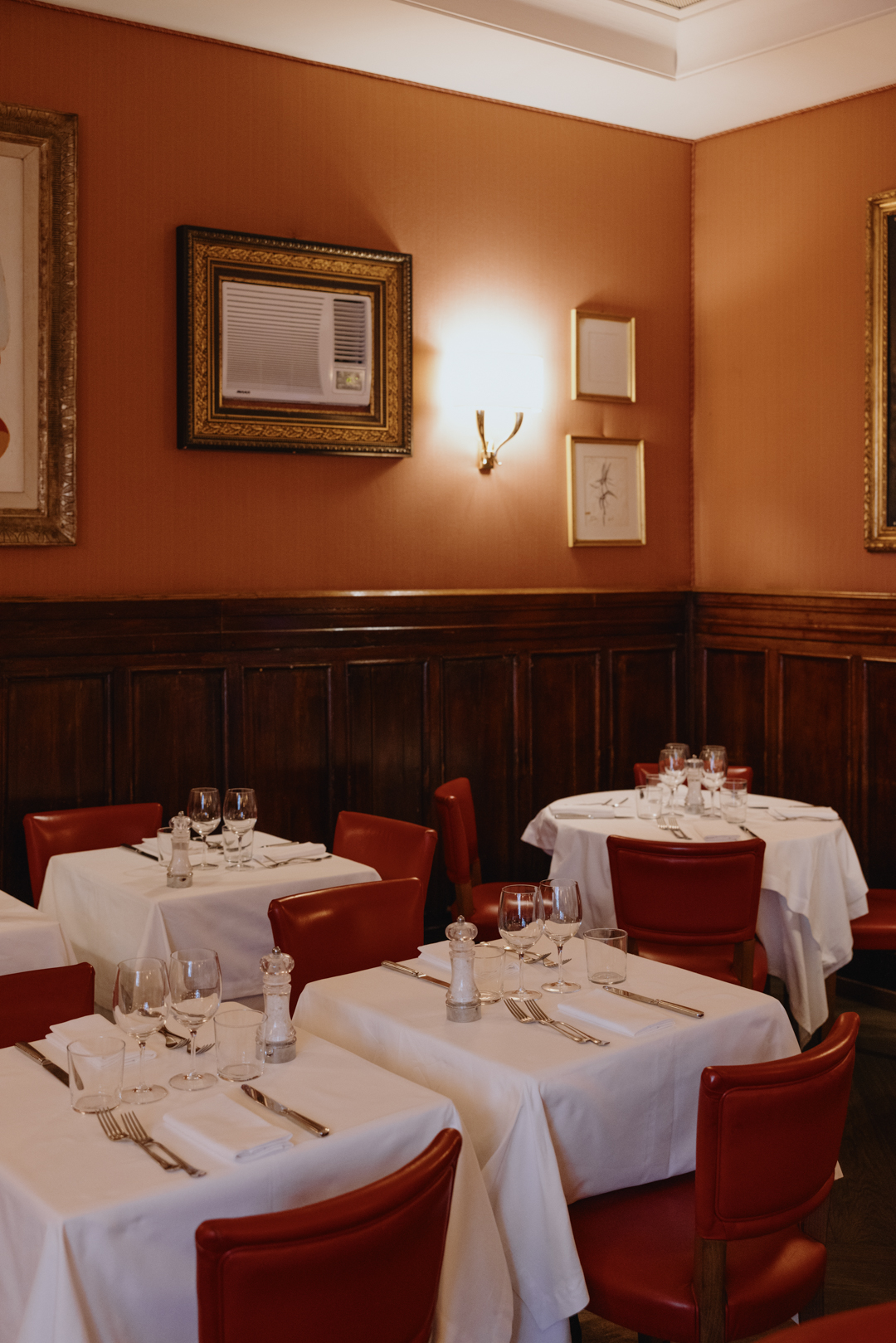
Since 1934. Same room, same Tuscan-leaning menu, same regulars. The tagliatelle al ragù is the order. The waiters have been here longer than most restaurants in Rome have existed. Nouri has a table.
The best cacio e pepe in Rome — a claim worth making carefully and which we make without hesitation. Trastevere on a cold evening, the room full of Romans, the pasta arriving in a wheel of pecorino.
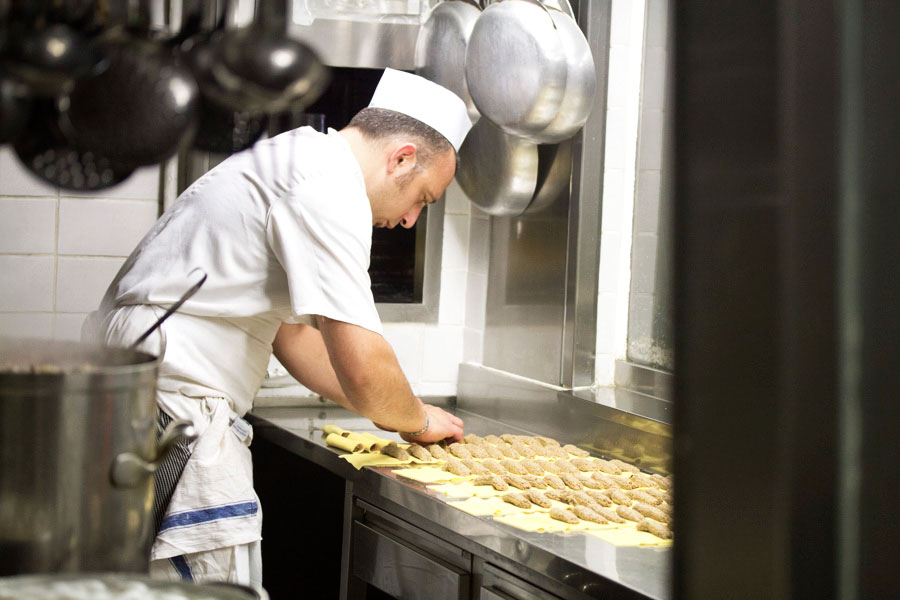
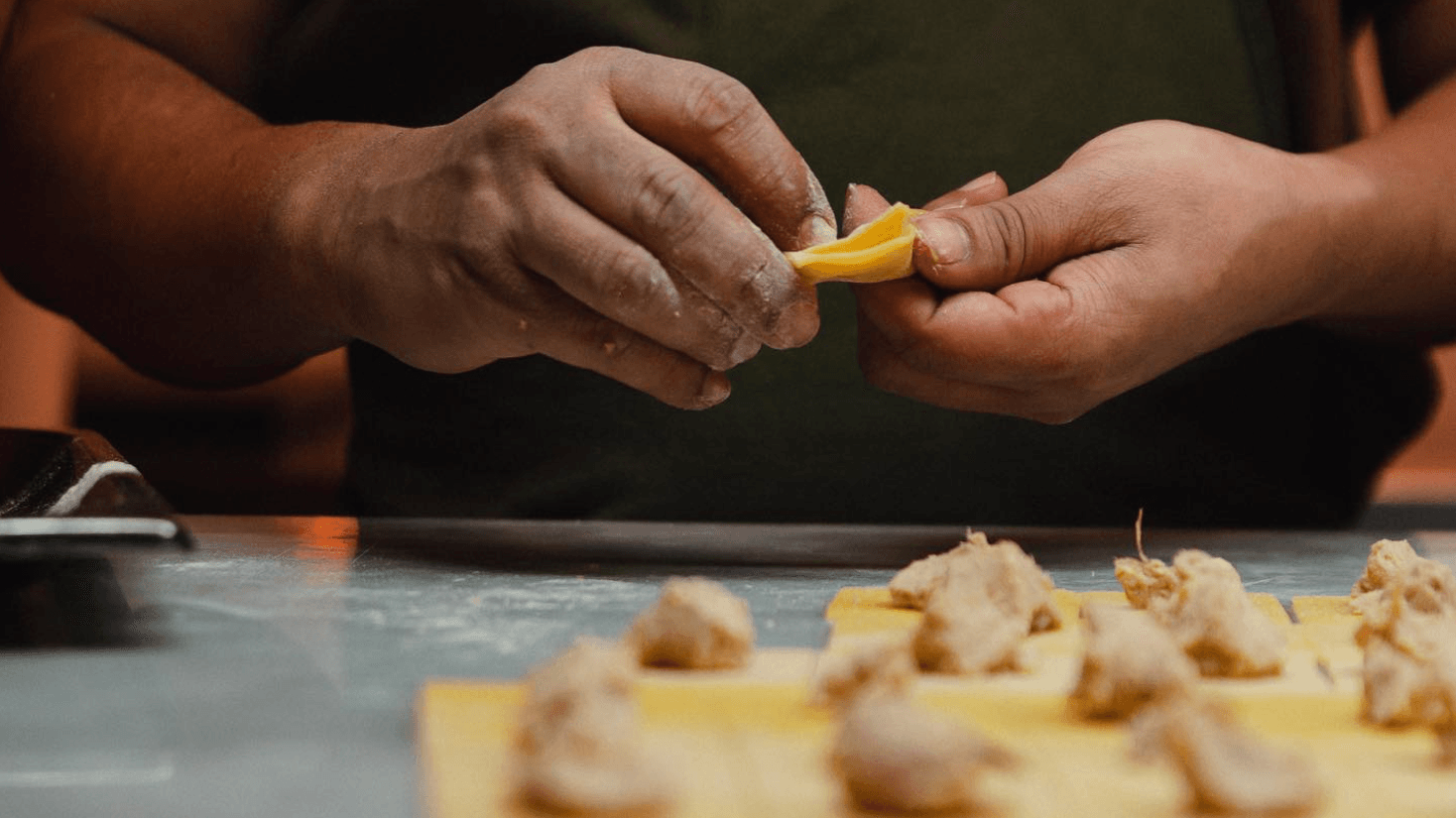
Since 1936. The tonnarelli cacio e pepe is made at the table. Do not ask to change anything on the menu. That is not how this works.
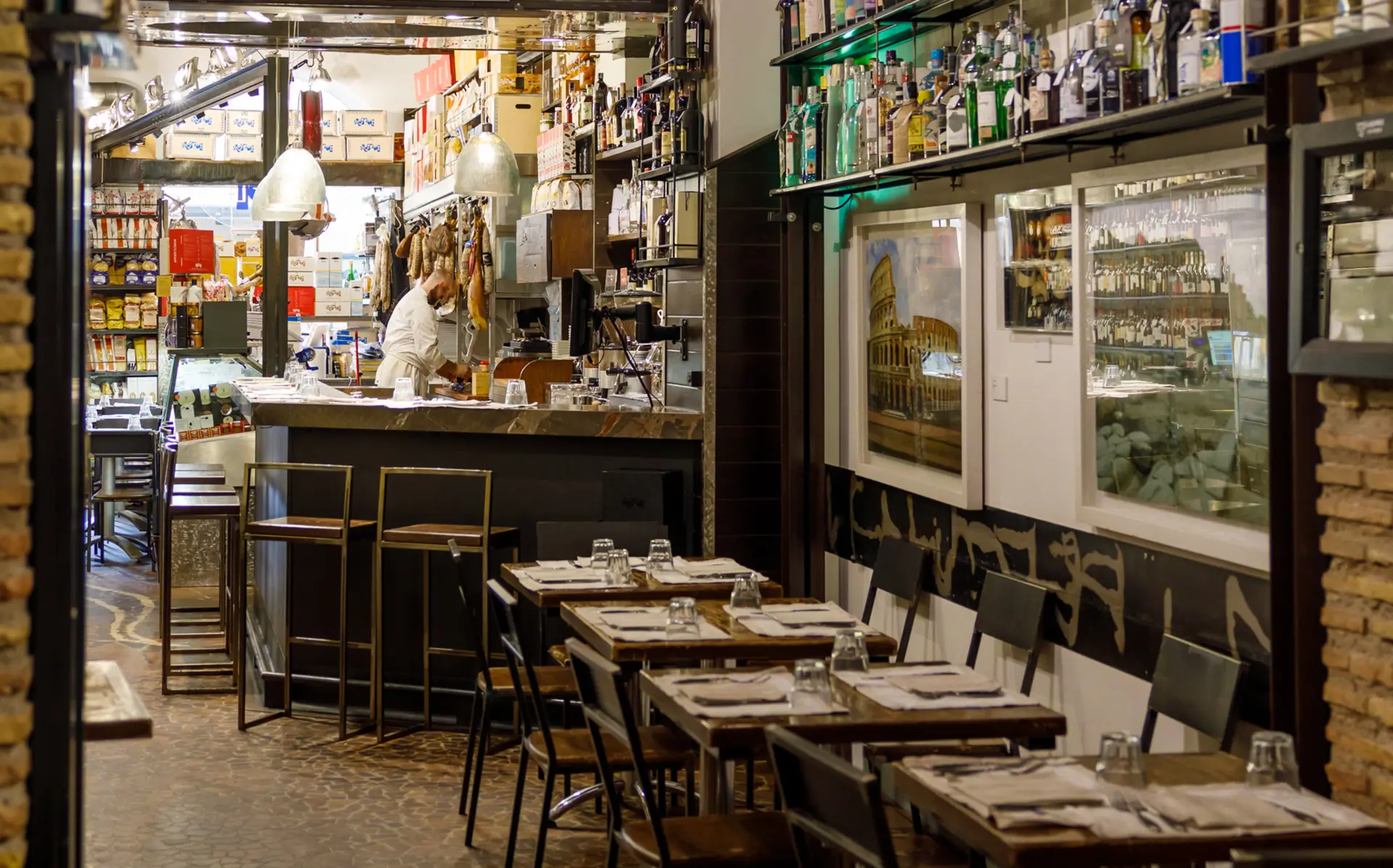
Inside the Testaccio market, at a counter, with no reservations and no pretension. Go for lunch on a weekday.
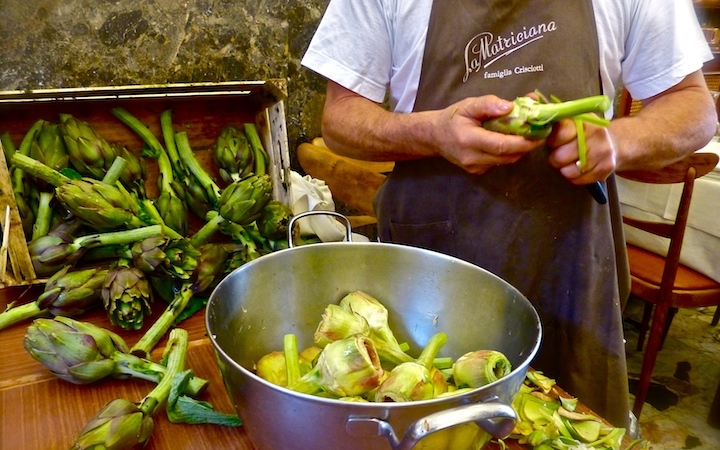
The Roman trattoria as it should be — small, loud, seasonal. Rigatoni con la pajata when it is on. Always the artichokes.
Roman institution. Come early or late and you will feel why it has lasted. The cacio e pepe is the benchmark against which all others are measured.
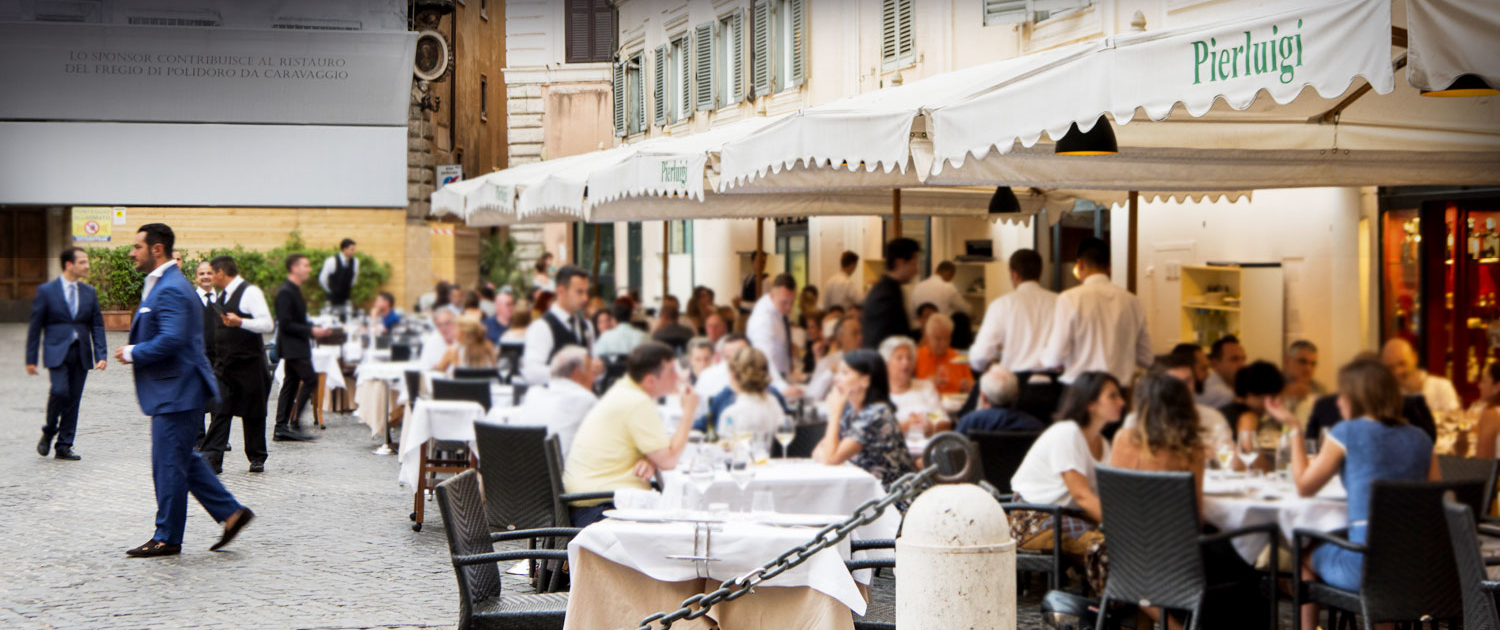
The tagliatelle al ragù is why it exists. The terrace in warmer months is one of the best tables in the city. A Roman institution that has never needed to try hard.
Part deli, part wine bar, part restaurant, entirely serious about everything on the plate. Reserve well in advance — this is not a walk-in. The carbonara is famous for good reason.
One of Rome's great seafood restaurants, on one of its most beautiful small piazzas. Come for a long lunch.
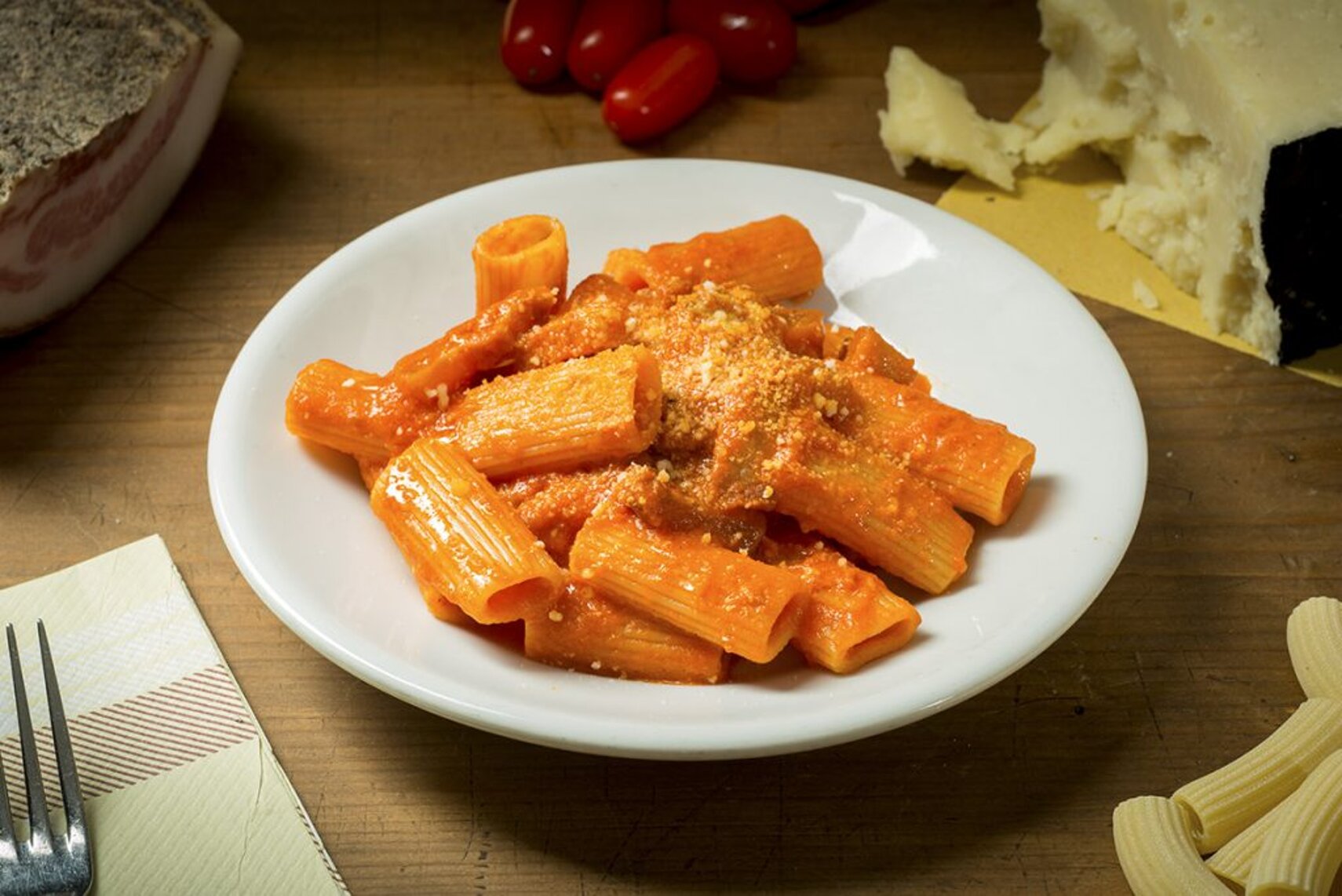
Historic trattoria since 1870. The amatriciana is non-negotiable — the dish was named for this region and this restaurant takes it seriously.
Rome's coffee culture is not aspirational. It is a fact of daily life refined over decades. Stand at the bar. Pay the price on the board.
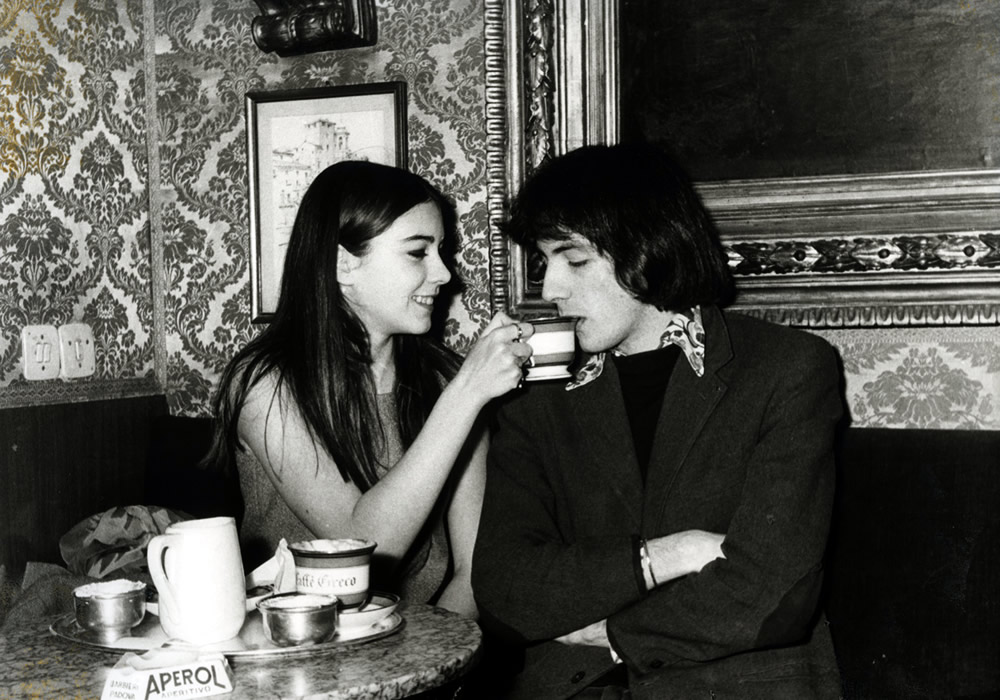
Operating since 1760 — the oldest café in Rome. Keats, Byron, Goethe all had opinions about it. The hot chocolate is extraordinary. Go in the morning before the tourists arrive.
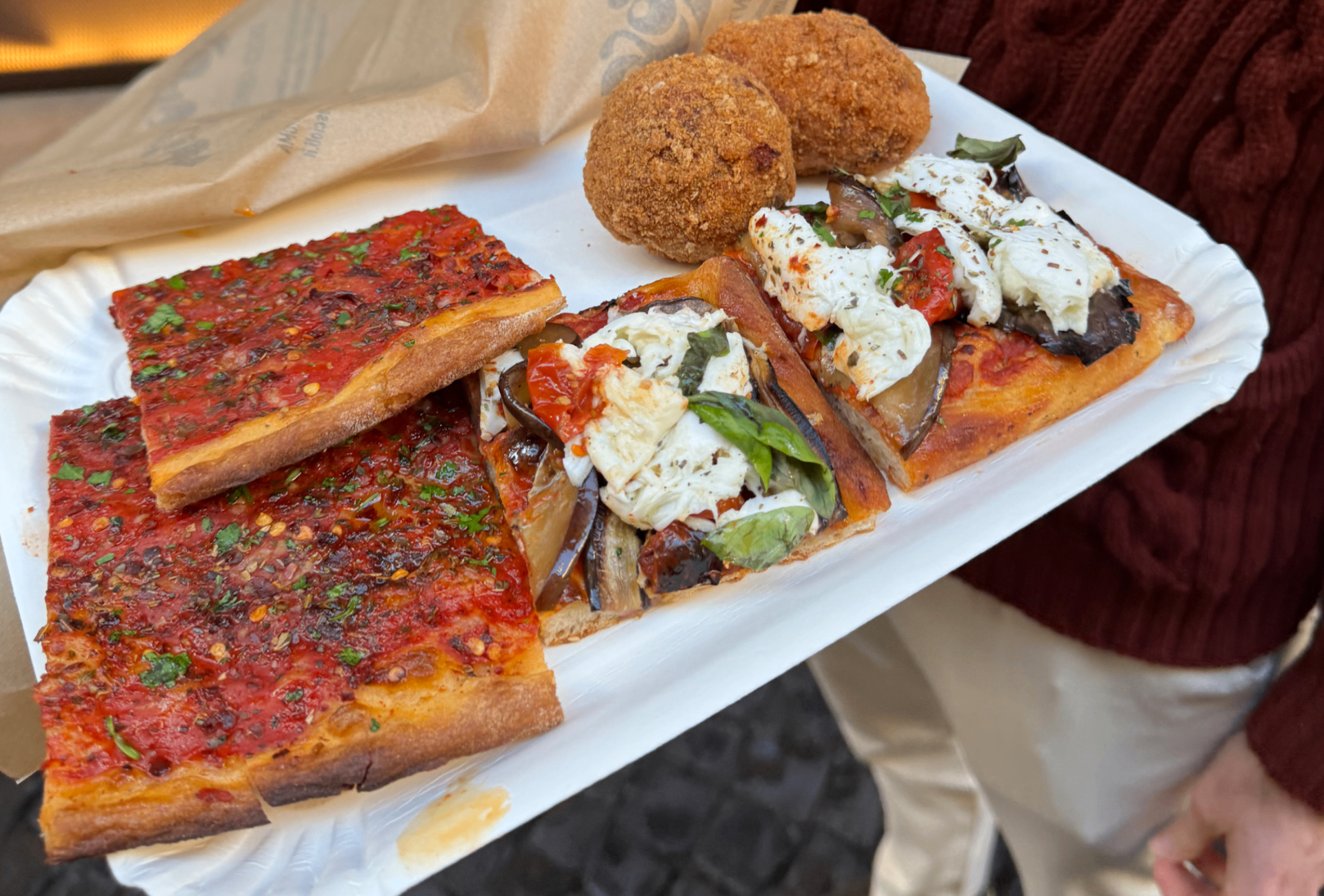
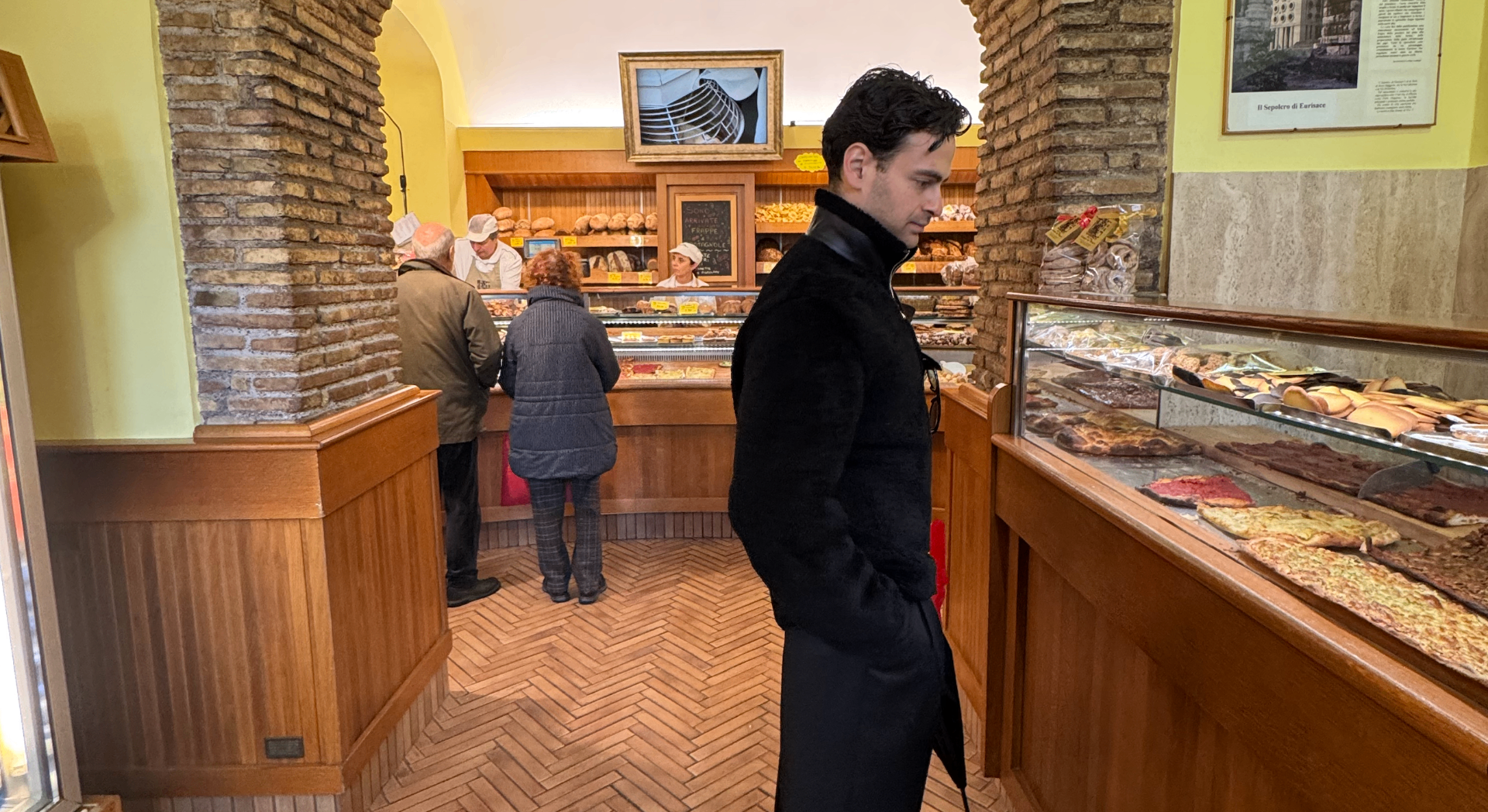
The best bakery in Rome. The pizza bianca comes out of the oven at specific hours and should be eaten immediately, standing, with no additions. The supplì are also the best in the city.
Rome does aperitivo differently than Milan — less structured, more Roman, happening when it happens.
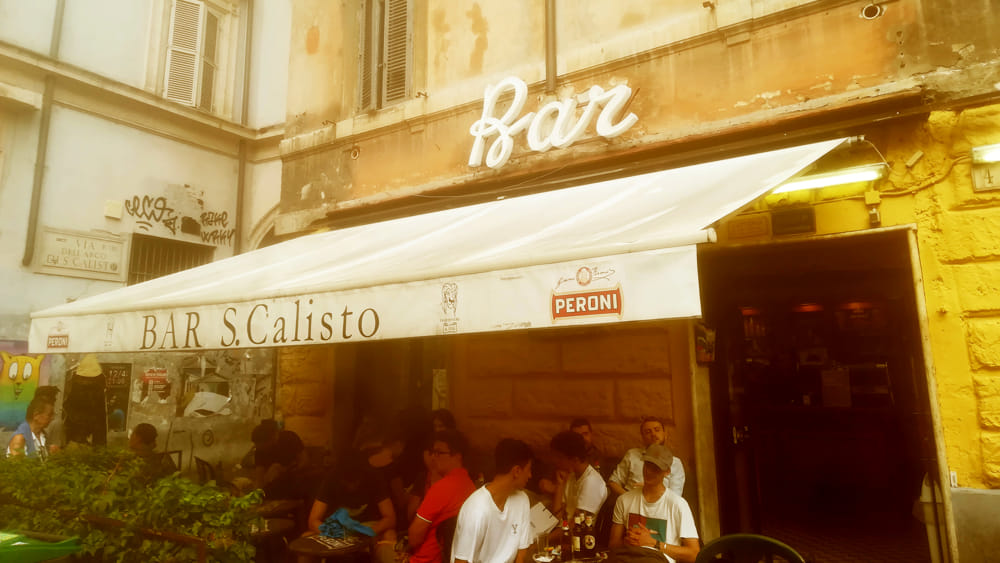
The Trastevere bar that has survived gentrification with its integrity entirely intact. Cheap drinks, no frills, the best people-watching in the neighborhood. Go late afternoon.
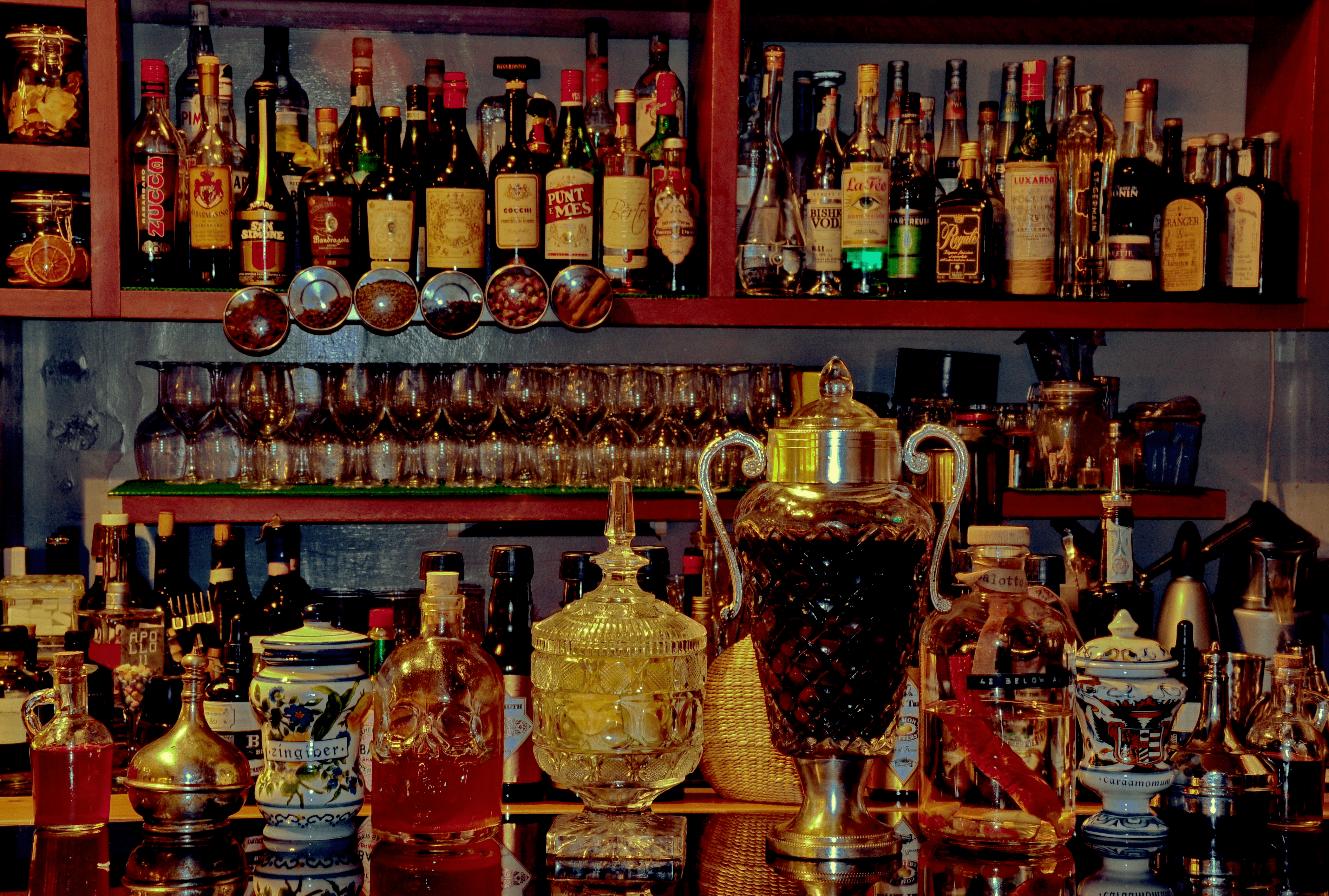
A design bar facing the columns of the Temple of Hadrian. Architecture and design books, good aperitivo spread, extraordinary location. You are drinking next to a 2nd-century Roman temple.
The most beautiful aperitivo in Rome. The terraced garden at golden hour in winter, with a Negroni and the garden lit below you. Worth the price of a drink.
12 shops across Campo Marzio and Prati — from Sagripanti to Delfina Delettrez to Berry Bros & Rudd equivalent.
The Vatican, the Pantheon, the Knights of Malta keyhole, Villa Borghese, 19 experiences worth building your days around.
12 hotels — The Rome Edition to Portrait Roma — with the full guide and every booking link.
We have pinned every hotel, restaurant, bar, and shop from this guide into a single Rome map. One tap and it lives in your Google Maps — ready for the trip.
Any restaurant within 200 meters of a major monument
The view is the product. The food is not.
Any menu with photographs of the dishes
Walk past it.
Gladiator costume photos near the Colosseum
You know already.
Overpriced coffee sitting down near tourist sites
Stand at the bar. Pay the correct price.
Any hotel with 'Colosseum view' in the name
The neighborhood does not reward the address.