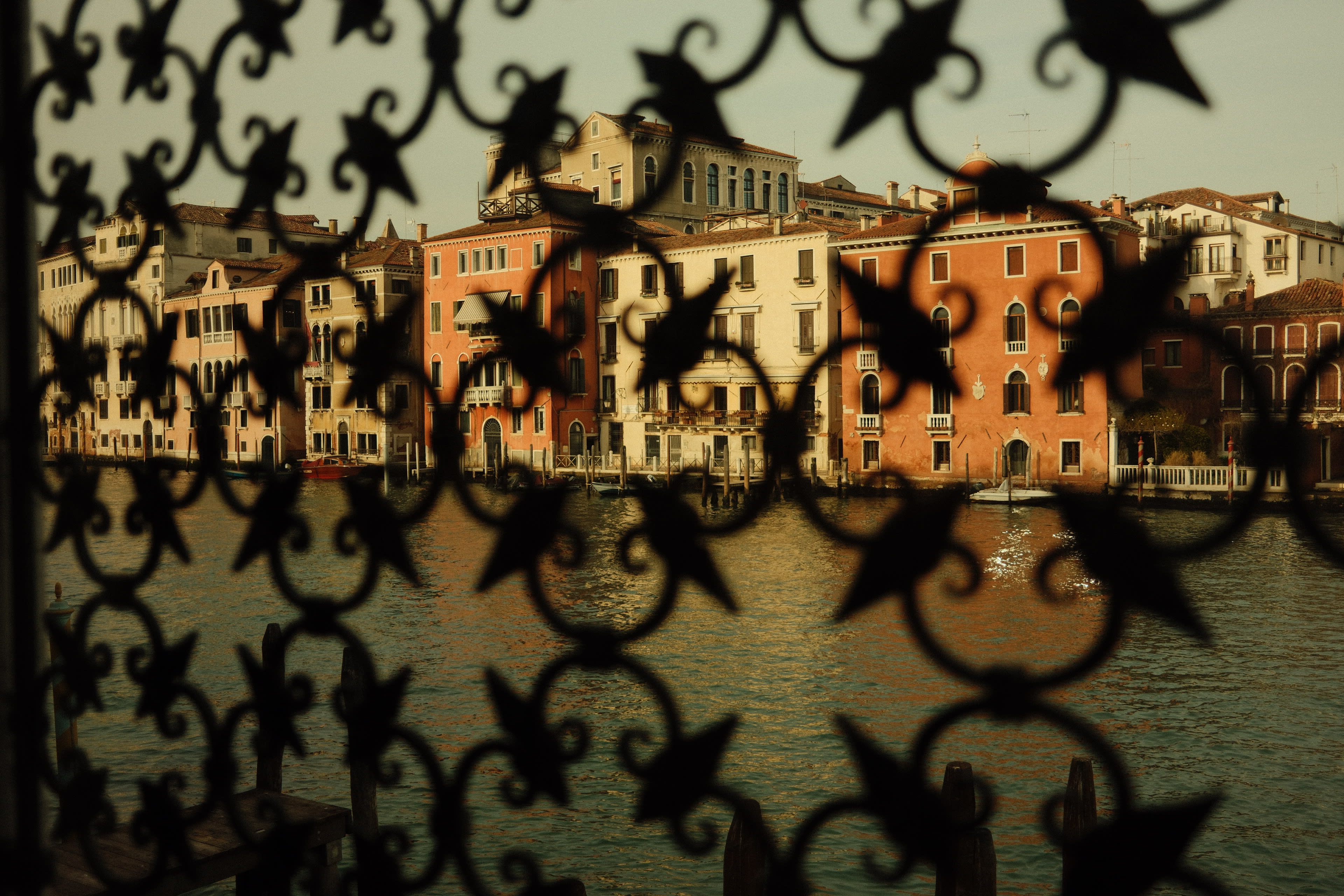
There is a version of Venice assembled from photographs of gondolas, paintings of the Grand Canal, and a general anxiety about flooding — a city that exists primarily as a backdrop for other people's Instagram accounts and secondarily as a place to eat bad pasta near the Rialto Bridge. This version is available year-round, costs considerably more than it should, and has almost nothing to do with the city that exists underneath it.
The city underneath is this: Venice was, for several centuries, the point at which the Silk Road ended and Europe began. The Byzantine mosaics in St. Mark's Basilica, the glass traditions of Murano, the particular quality of the textiles — all of it is the residue of a city that spent five hundred years absorbing the East and translating it into something entirely its own. Most visitors walk past this history without registering it. The ones who pause for it get a different city entirely.
In December, you get both. The history without the crowd. The city without the performance.
A note for anyone making this calculation from a New York winter, because it changes the math entirely: Venice in December is not Rome in January. The city sits further north and the lagoon has opinions about temperature, particularly at night and near the water. Pack a warm sweater and a proper jacket. But pack light — the sunny days surprise you, and on those days a light jacket is all you need. The point is not that Venice in December is warm. The point is that it is nothing like New York in December, and the difference is significant enough to affect whether you go.
Nouri understands this market the way he understands all hospitality markets — from the inside. Which is why, when we needed a hotel in Venice, he found Nolinski before most people had heard of it. This is how it works. We do not arrive and discover. We arrive already knowing.
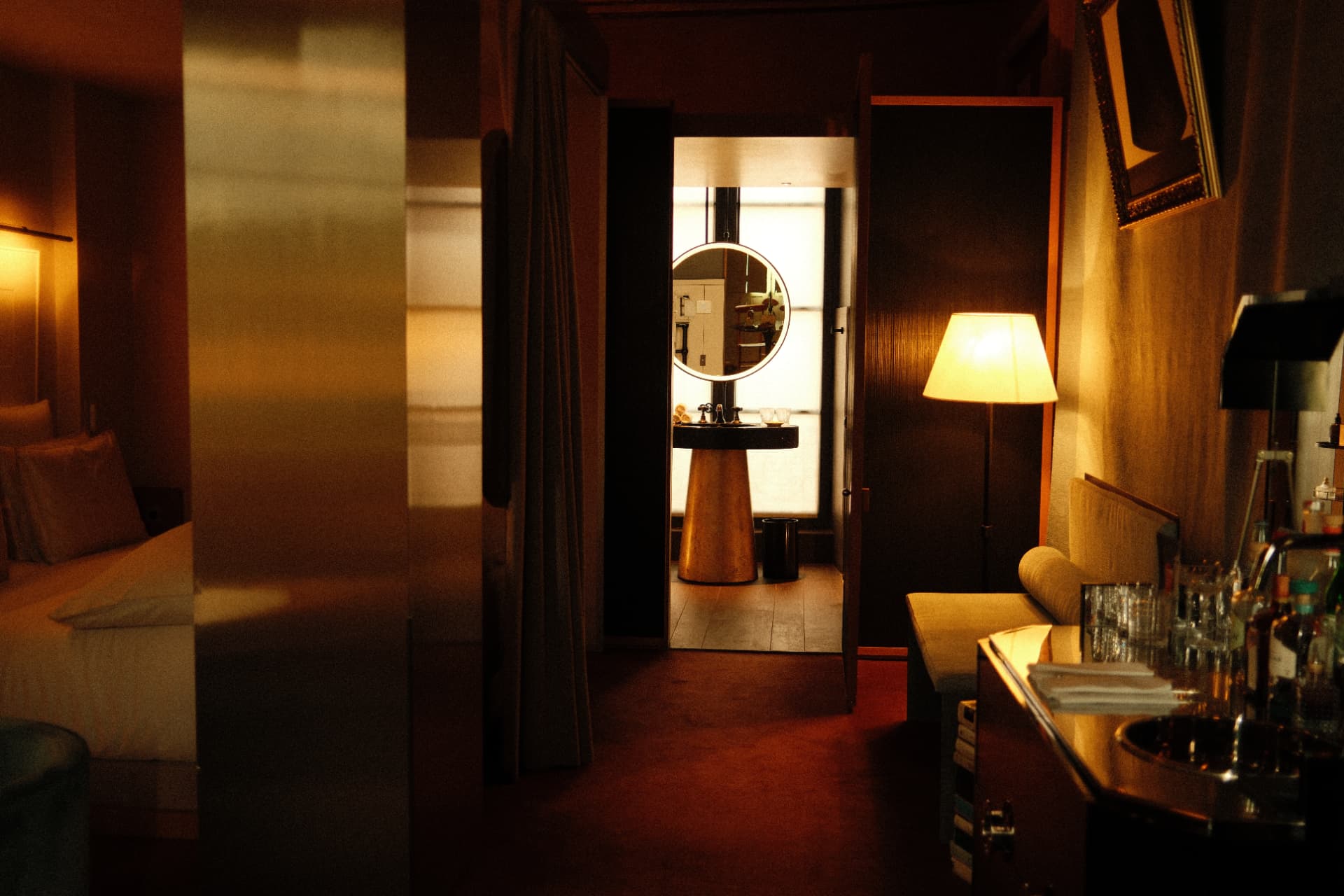
The hotel in the accessible luxury tier — great location, genuine character, personally vetted.
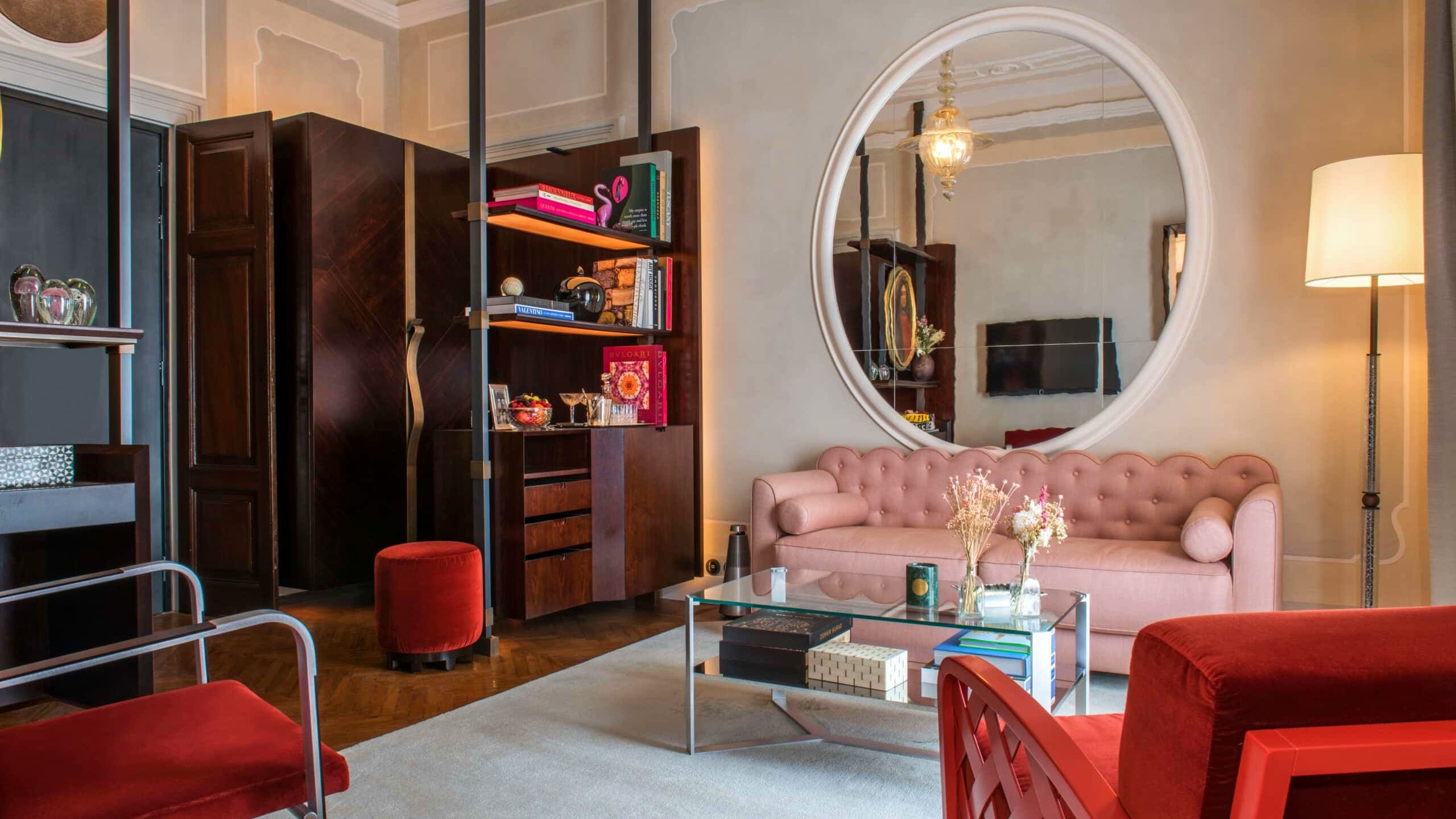
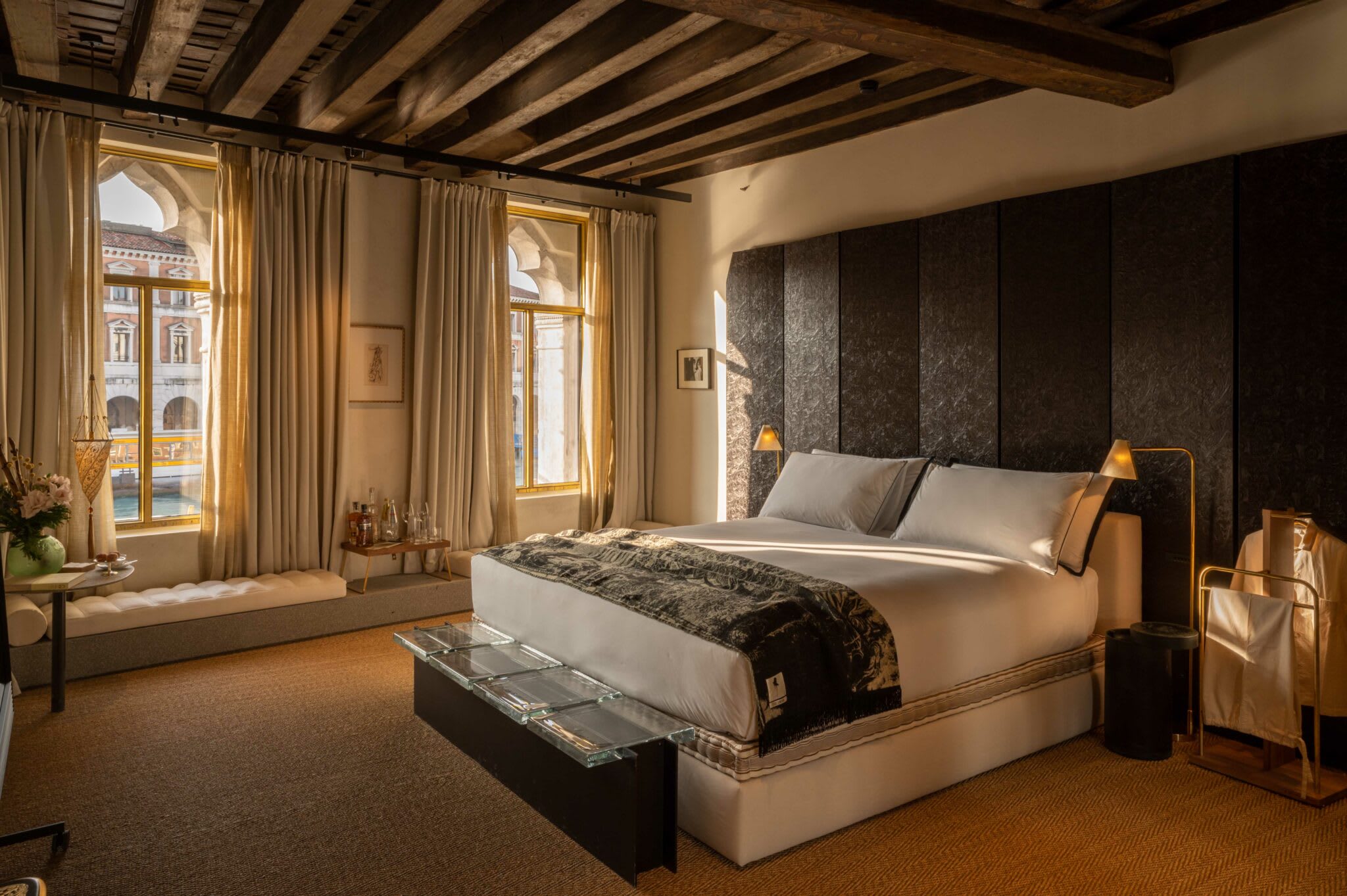
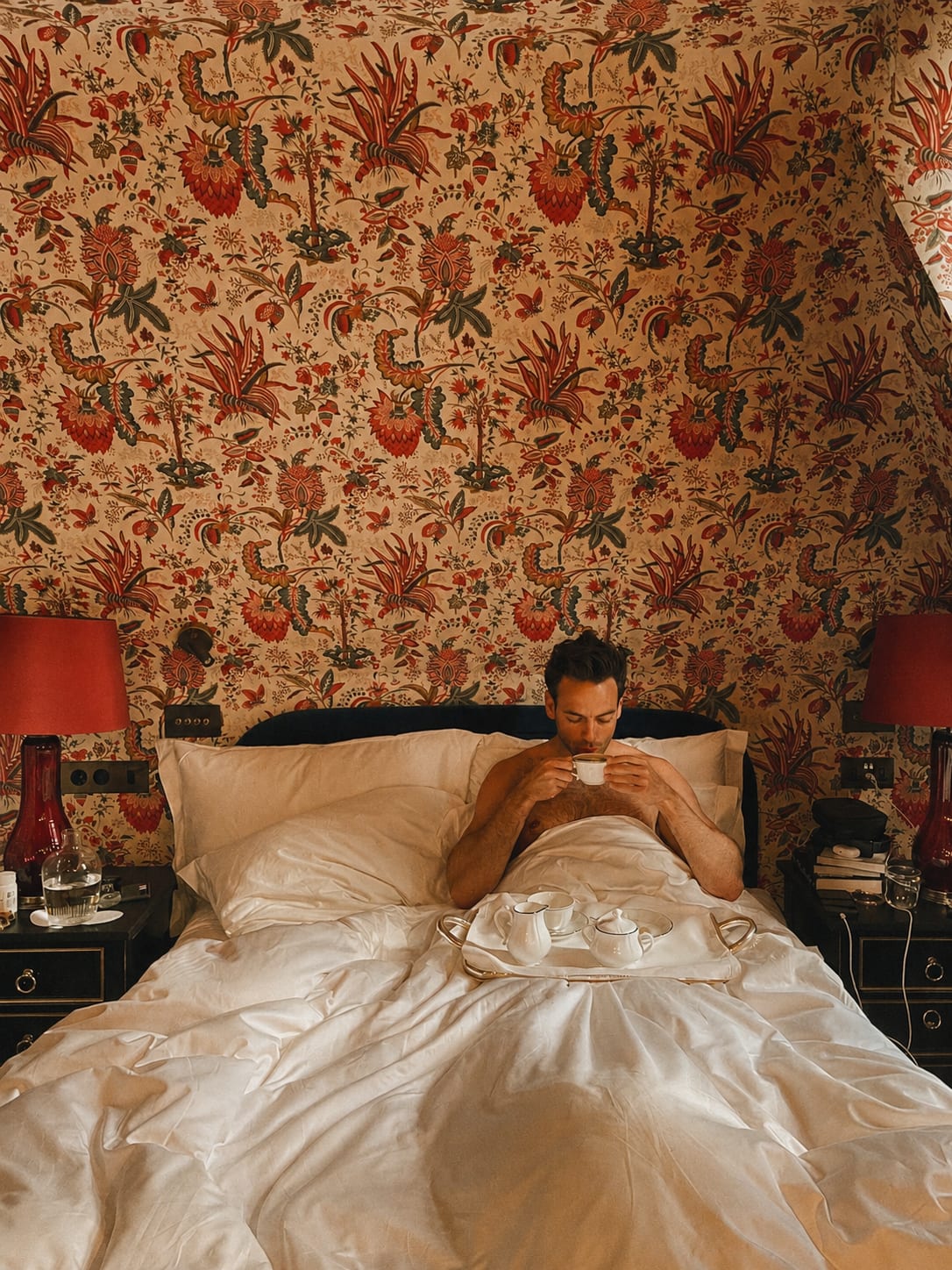
The first thing you notice is the bottles. Not miniatures — proper bottles, open, set on a tray in the room as though whoever put them there assumed you were an adult who knew what they liked and did not need to be charged per measure to prove it. Whisky, gin, whatever you drink. It sounds like a small thing. It is not.
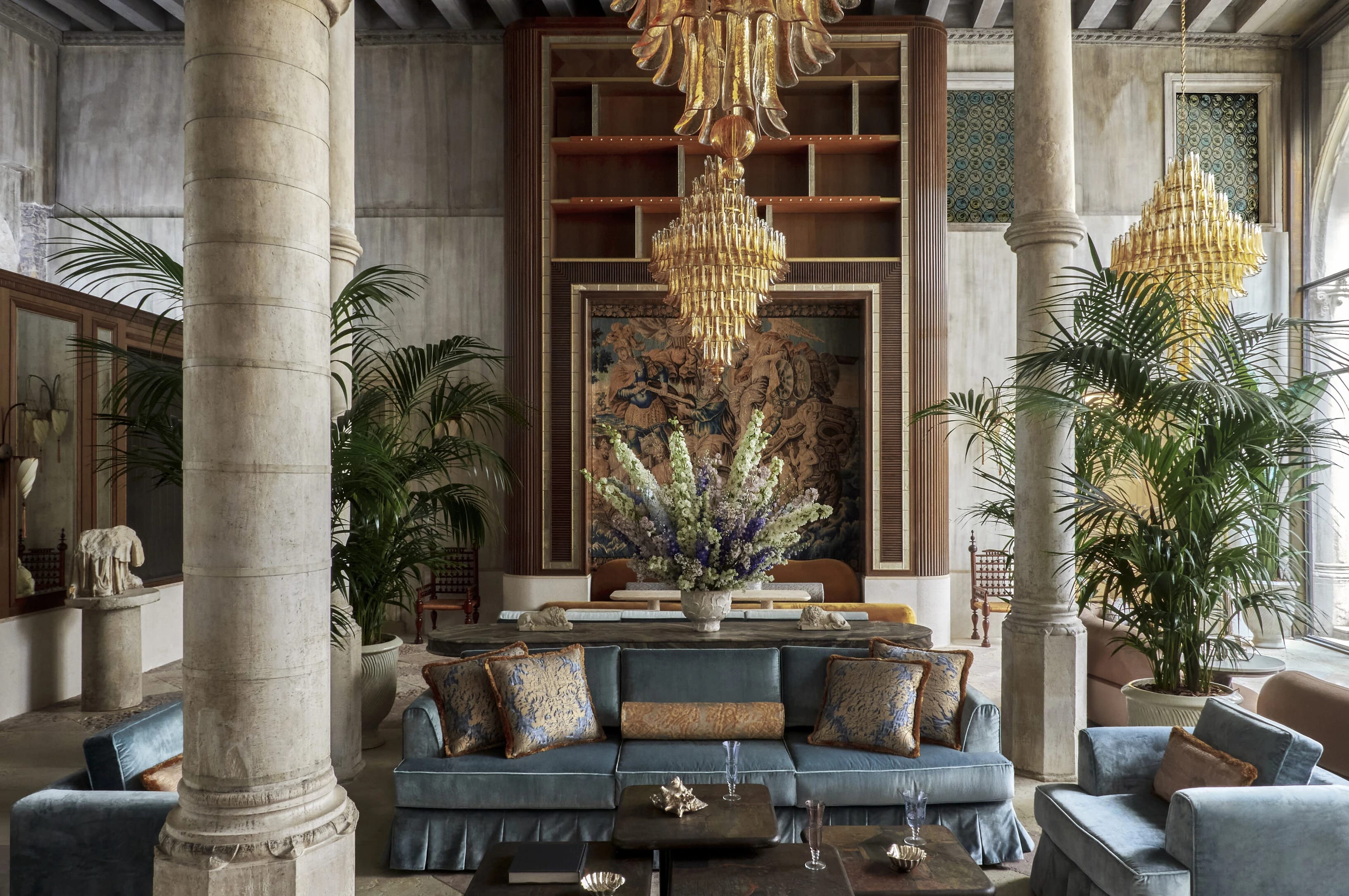
Nolinski is a small group — three properties in total, two in France and this one — that has the particular quality of hotels that know exactly what they are and have declined to be anything else. The Venice property sits not on a canal but on Calle Larga XXII Marzo, the street where the city keeps its best shops. We were on the top floor. We would be on the top floor again.
Two more hotels in the accessible luxury tier — personally recommended.
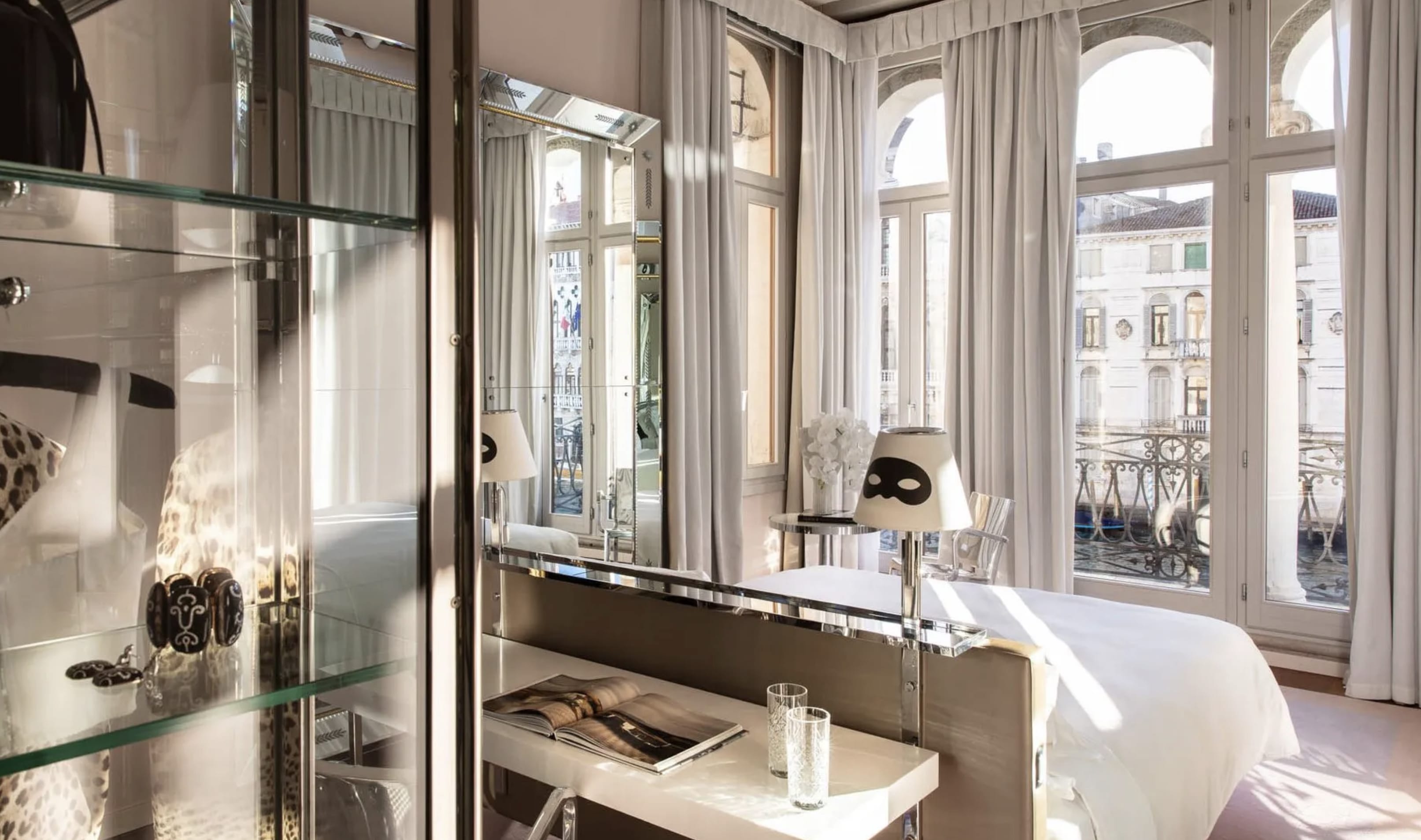
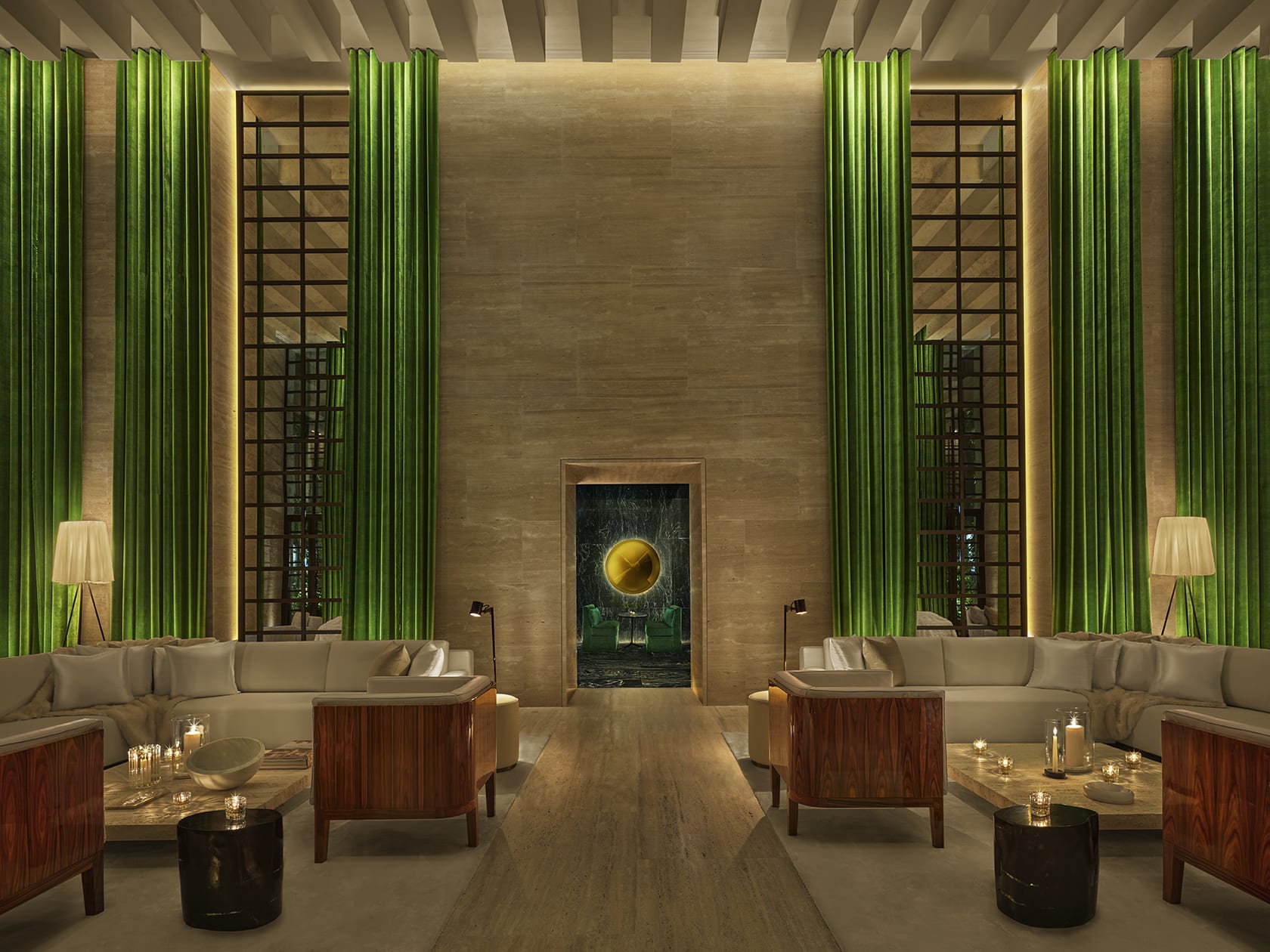
The only five-star hotel in Italy designed by Philippe Starck. 26 rooms, Grand Canal. The Krug Terrace is one of the city's better-kept secrets.
One of the most beautiful properties in the city. Without qualification, exceptional. Exceeds the VV sweet spot. Worth it for the trip that demands it.
Four exceptional hotels above the VV sweet spot. Venice 2026 has become one of the most significant luxury hotel markets in Europe.
15th-century palazzo, first time as a hotel in six centuries. Wagon Bar, Heinz Beck dining. Design: Aline Asmar d'Amman.
The benchmark since 1958. Largest pool in Venice. Private boat, four minutes to the city. The dream version of Venice.
First Airelles outside France. Four chefs: Vongerichten, Niederkofler, Grolet, Nobu. Largest spa in Venice. Design: Christophe Tollemer.
#1 hotel in Venice, CNT Readers' Choice 2025. Five-hectare private island. 900-year-old monastery buildings. 20 acres of gardens.
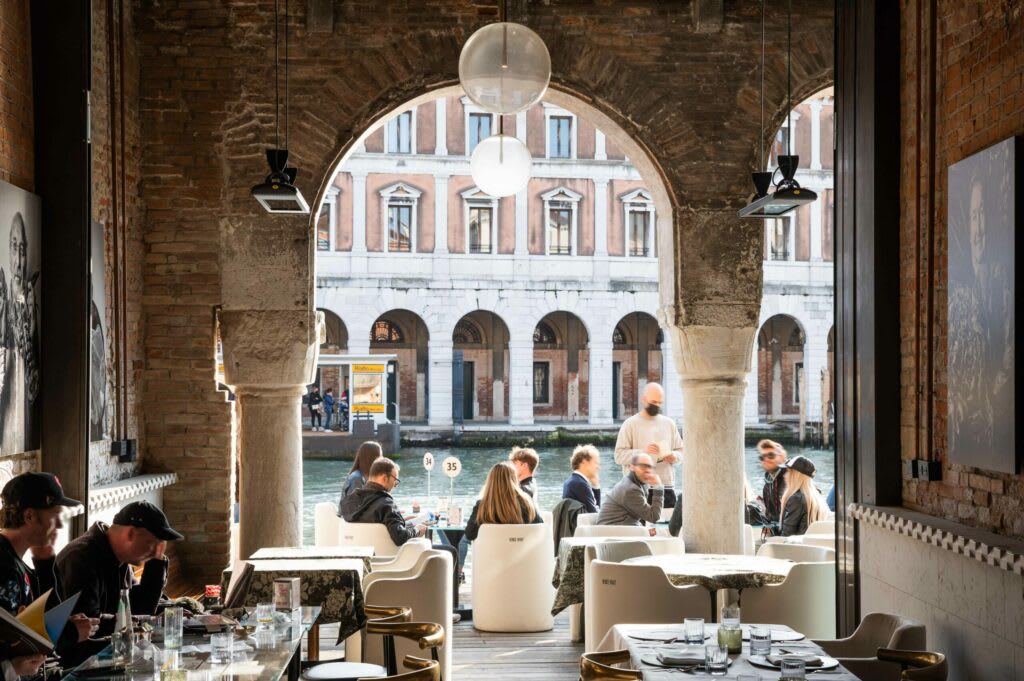
The restaurants near the Rialto Bridge and Piazza San Marco are, without exception, making different assumptions than the ones we are about to describe. Walk past them. All of them. Keep walking until the street narrows and the menus are handwritten in Italian and the room is full of people who live here. That is where the food is.
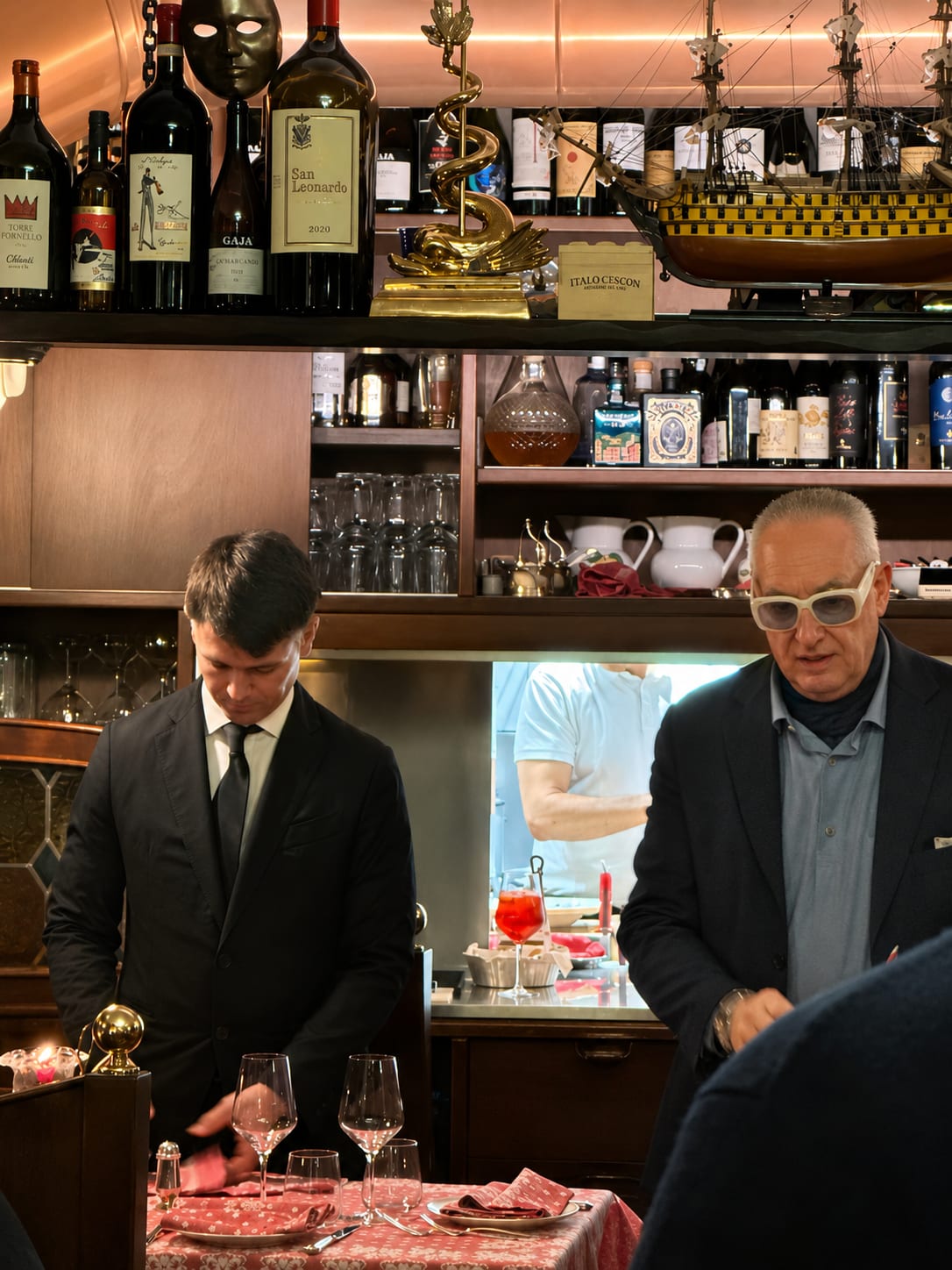
The man in enormous sunglasses who never removes them. Red polka dot tablecloths. We had pasta — we don't remember which one. The evening was complete enough that it didn't matter. Order wild strawberries if they appear.
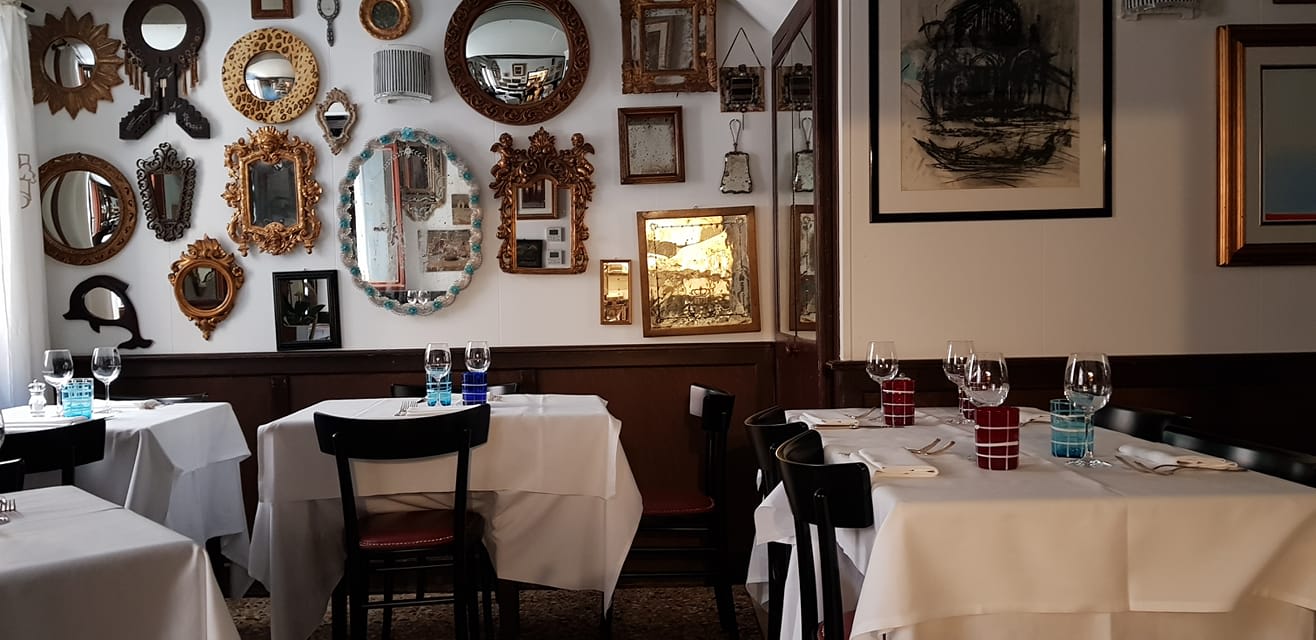
Giant mirrored spheres from fairy lights in December. Nouri photographed the baccalà mousse plate — his highest praise. The carbonara is very good, which in Venice is worth noting.
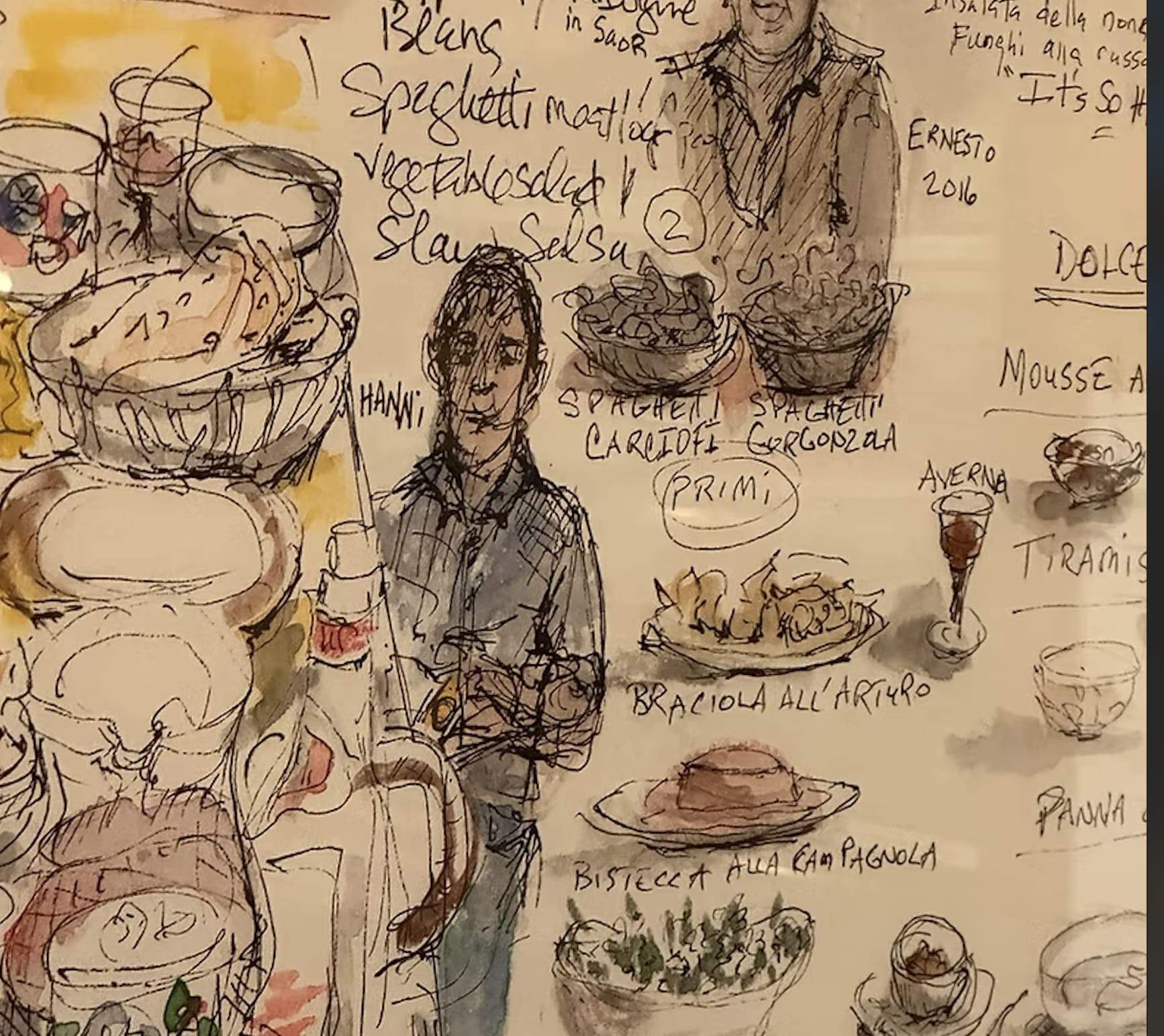
No pizza. No lasagne. No tourist menu. Menu changes daily based on what Francesco buys at the Rialto market that morning. Michelin-recognized. Never needed it.
The rare Venice restaurant that does not serve fish. Since 1956. Small, old, unhurried. The pepper steak is the reason people come back.
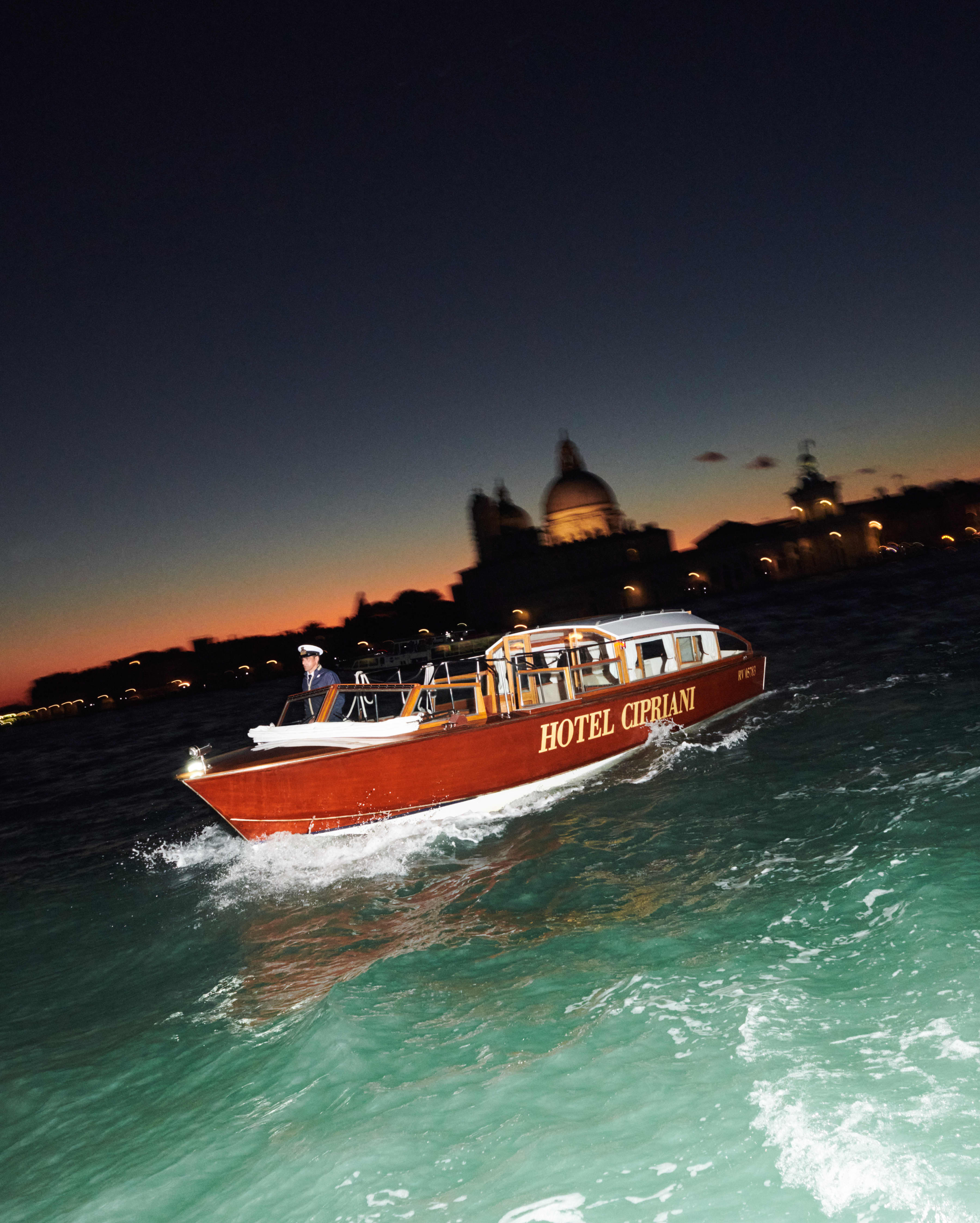
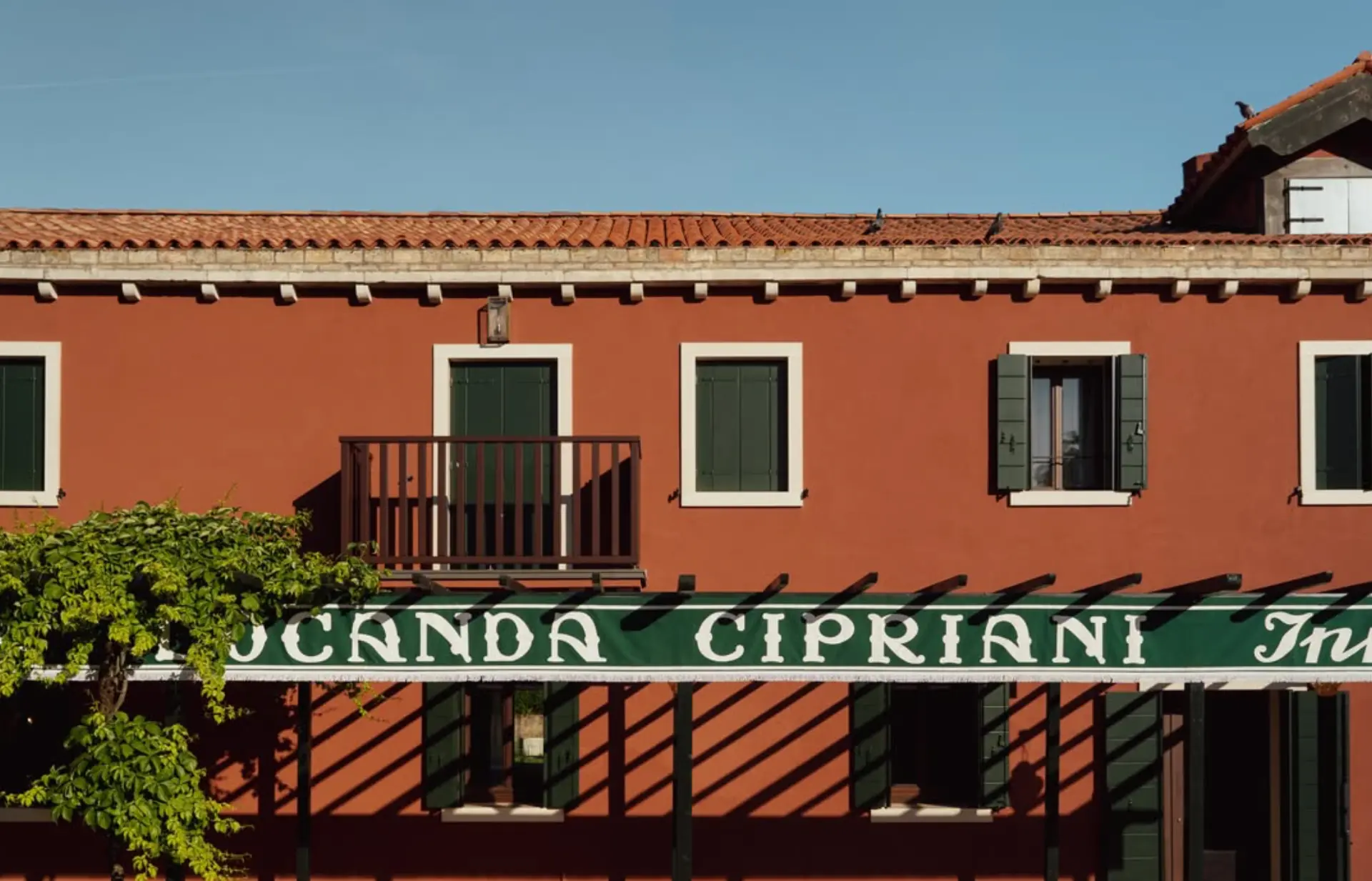
Hemingway stayed here. Still run by the Cipriani family. Garden terrace in good weather. Go for lunch. Take the slow boat back.
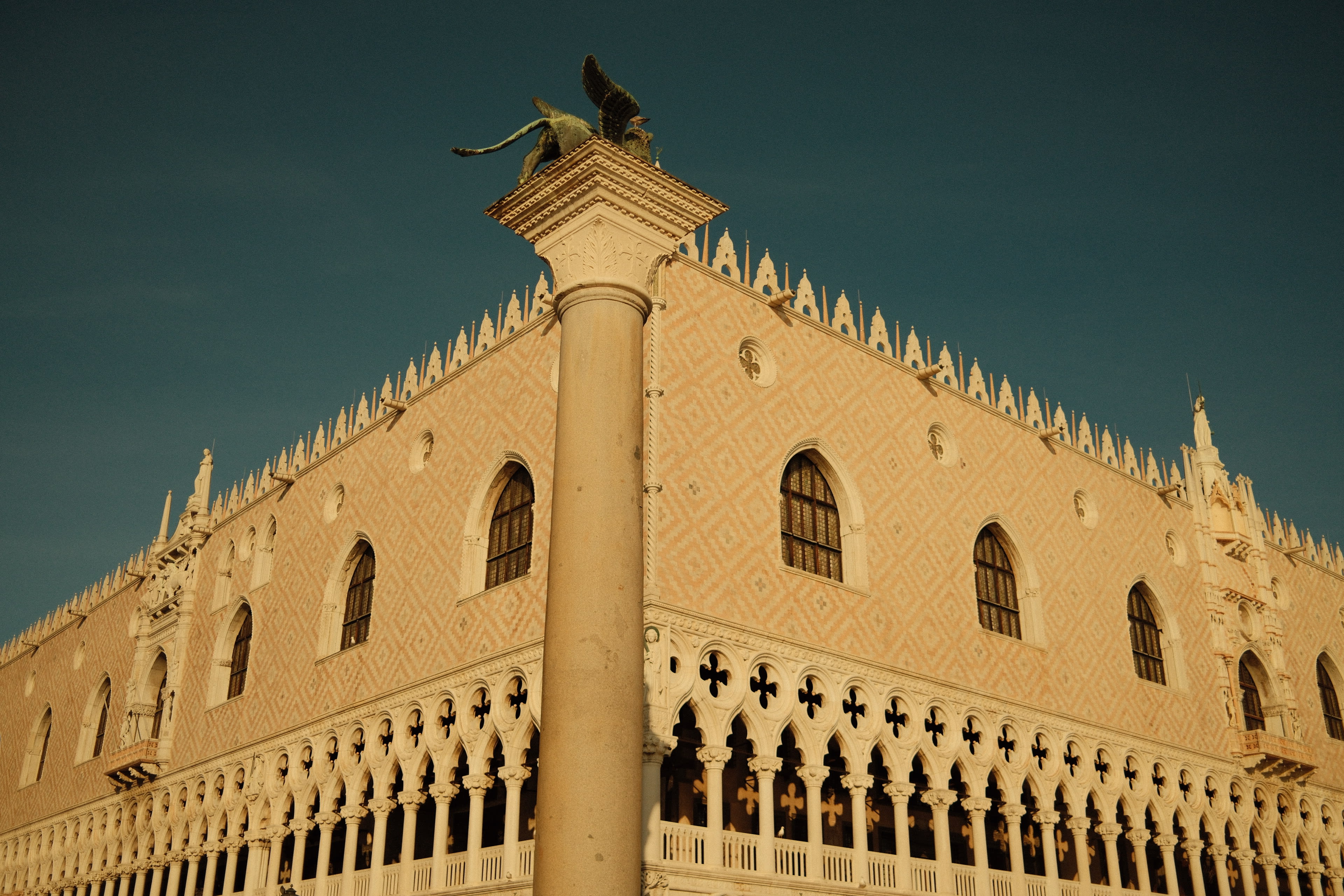
The Peggy Guggenheim, Doge's Palace, Murano glassblowers, Fondation Pinault. The city is a museum.
We have pinned every hotel, restaurant, bar, and shop from this guide into a single Venice map. One tap and it lives in your Google Maps — ready for the trip.
The Gondola
Take the water taxi at night instead. Same cost, entirely different experience.
Rialto Bridge and Piazza San Marco restaurants
Tourist prices, tourist food. Walk five minutes.
Harry's Bar
One drink to say you did it. Do not stay for dinner.
The Gritti Palace overnight
The photographs are doing significant work. Have lunch. Do not book a room.
Any restaurant empty at 8:30pm Friday
Trust the signal.