Hôtel Balzac
By Albert & Nouri Beesemer — booked and paid for by us. No sponsored placements. Ever.
A small hotel on a quiet street off the Champs-Élysées, rebuilt by Festen Architecture and reopened in 2024 on the site of Honoré de Balzac's last residence. Pierre Gagnaire is in the kitchen. The bar is the reason to stay.
- City
- Paris
- Neighborhood
- 8TH ARR · CHAMPS-ÉLYSÉES
- Price from
- From ~€350/night
- VV Rating
- 7.5/10
The VV Review
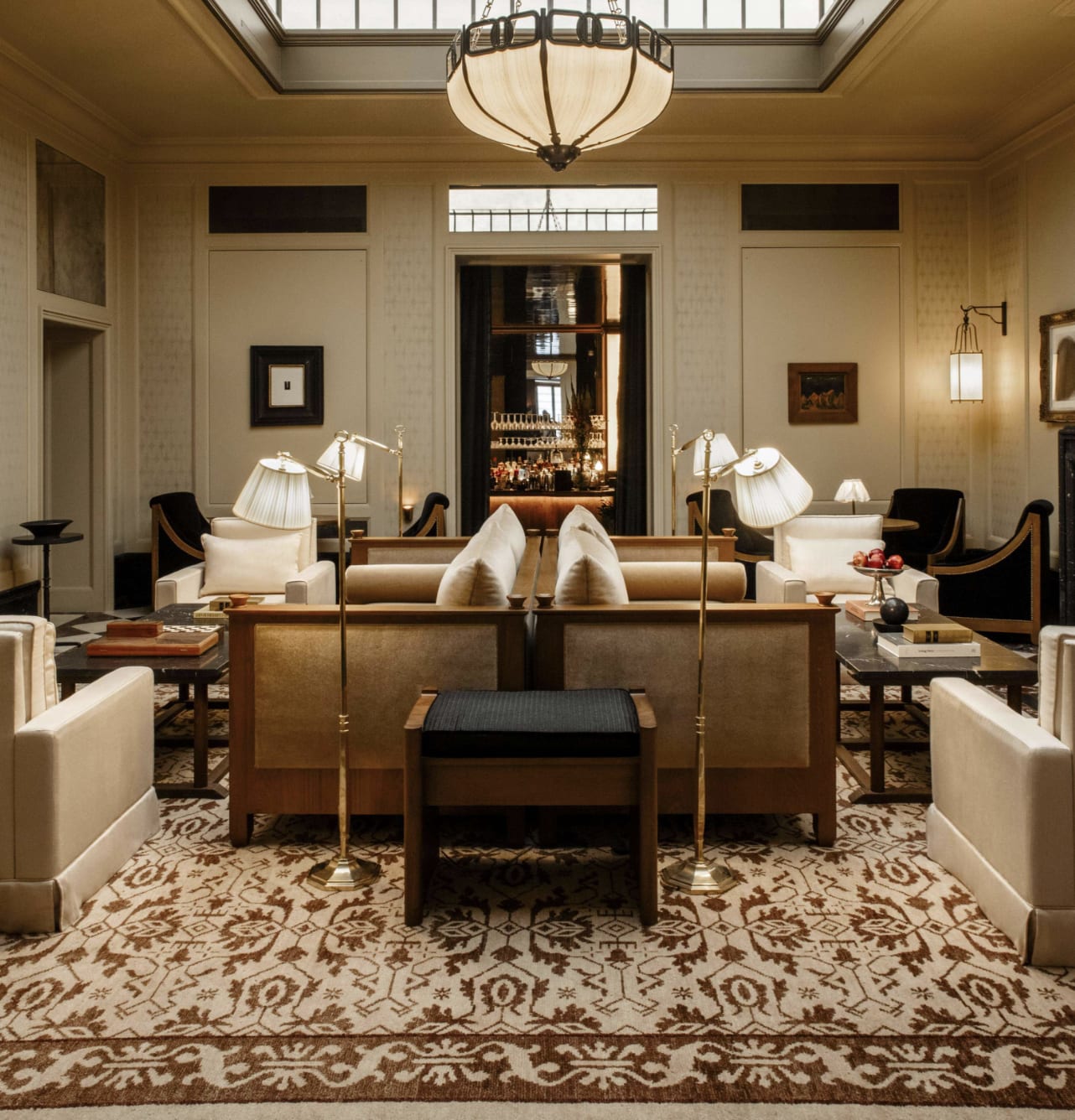
The 8th arrondissement is not where most travellers should be staying. The Champs-Élysées at the wrong time of day is one of the least pleasant addresses in Paris. The Balzac knows this, and is built as a small, quiet correction — set back on a side street, scaled like a residence, designed in a register that has nothing to do with the avenue around the corner.
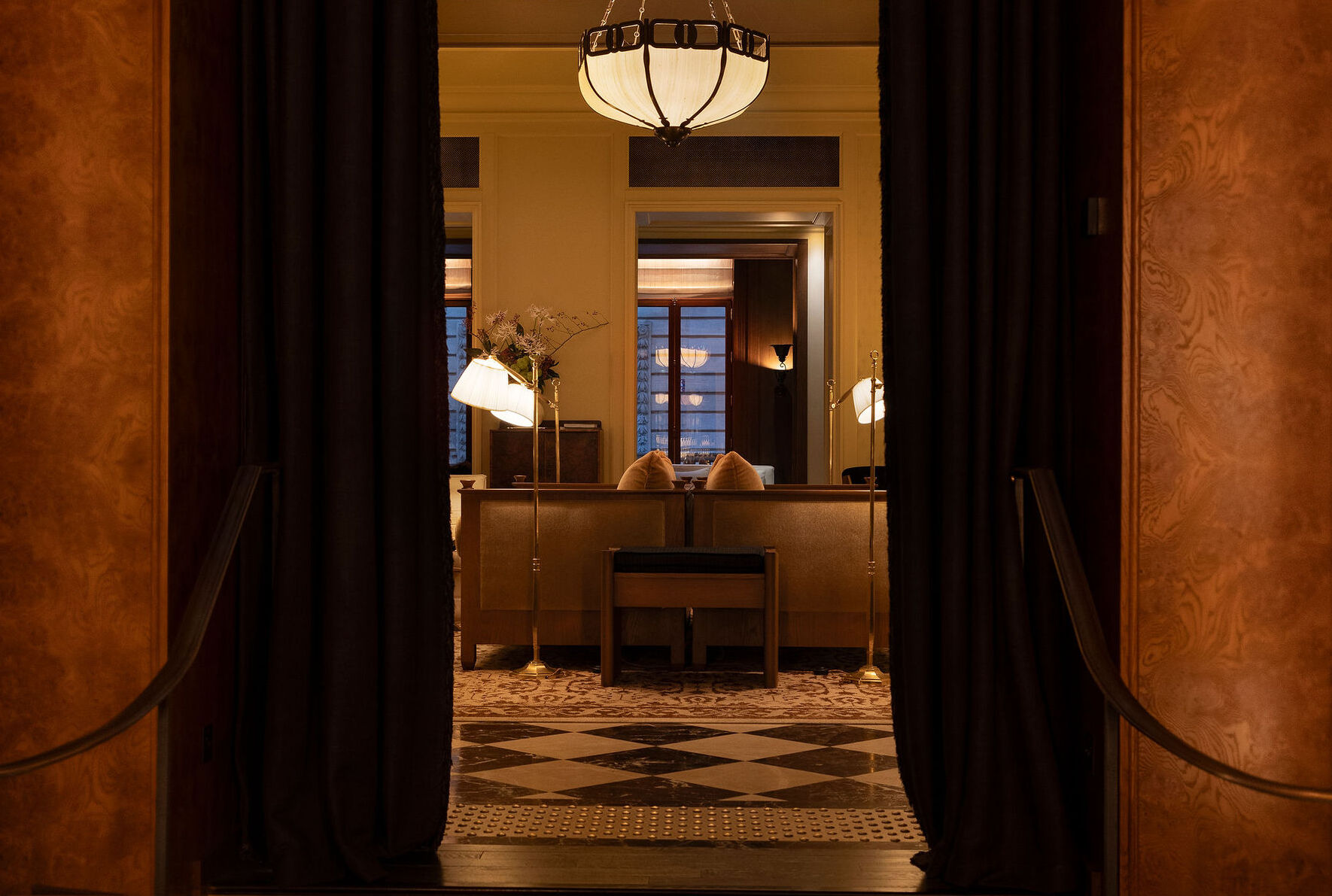
What Festen has done here is the same trick they have been pulling off all over Paris: take a building with bones worth keeping, treat the bones with respect, and dress the rest in a palette that reads as inevitable rather than designed. Plaster, dark wood, the right kind of brass. It looks lived in on the first day.
It is a hotel for people who want a Paris address that is recognisable on a card but want everything else about the stay to feel private, residential, and quietly luxurious.
What Festen has done here is the same trick they have been pulling off all over Paris: take a building with bones worth keeping, treat the bones with respect, and dress the rest in a palette that reads as inevitable rather than designed.
First Impressions
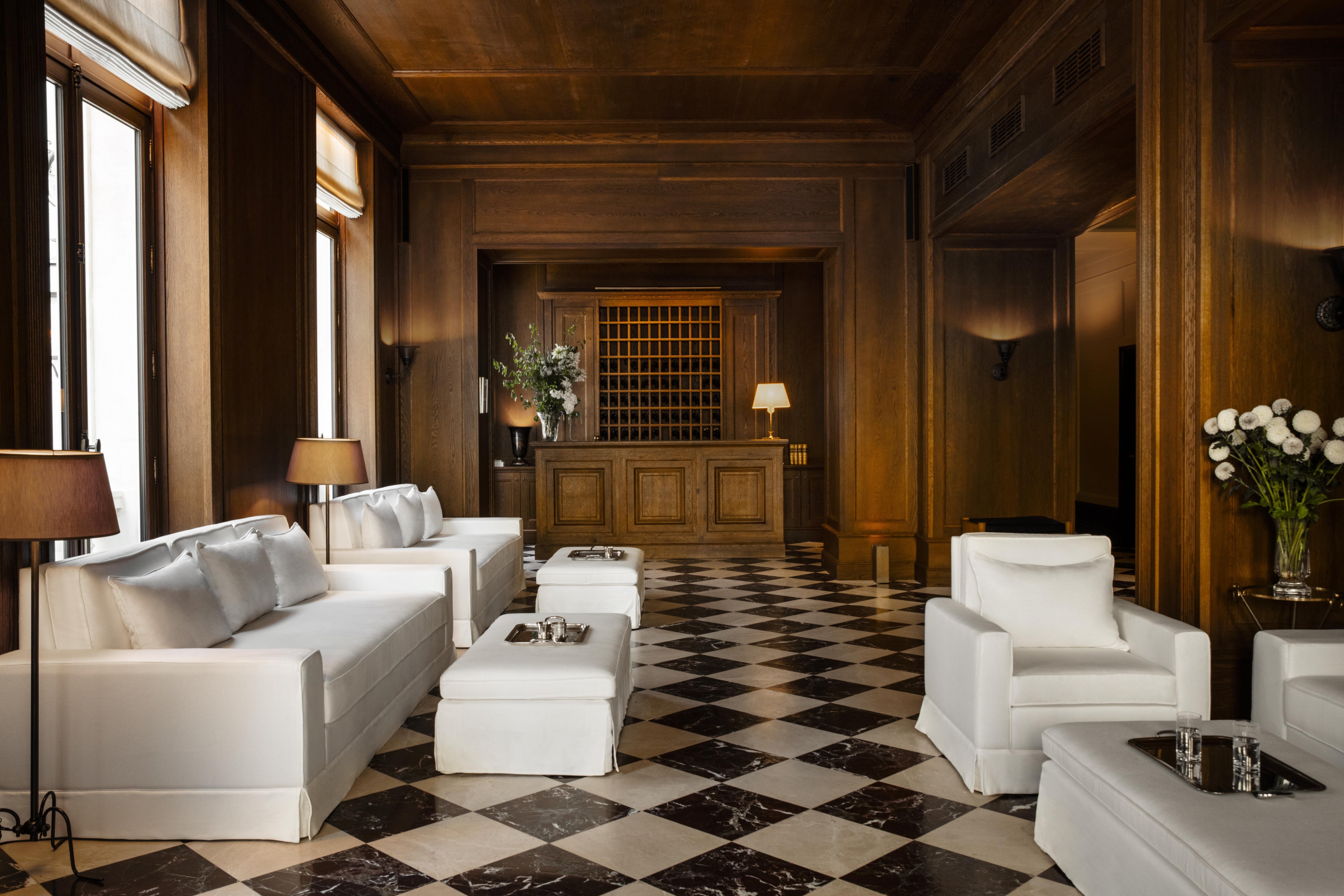
The door is on the side street, not the avenue. That is the first thing the hotel tells you about itself. The lobby is small, the staff is in soft colours rather than uniforms, and check-in happens at a desk that looks like a desk. There is no marble lobby performance.
The Rooms
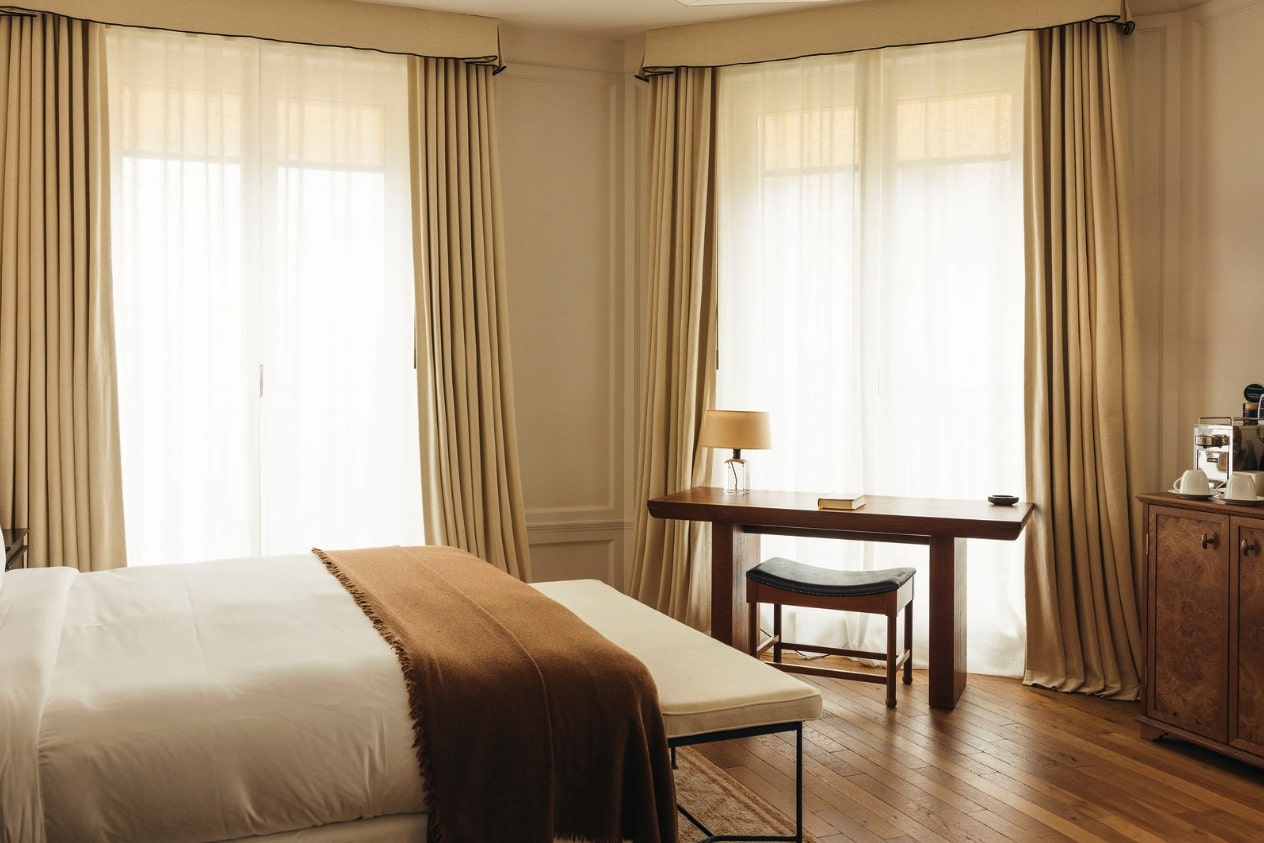
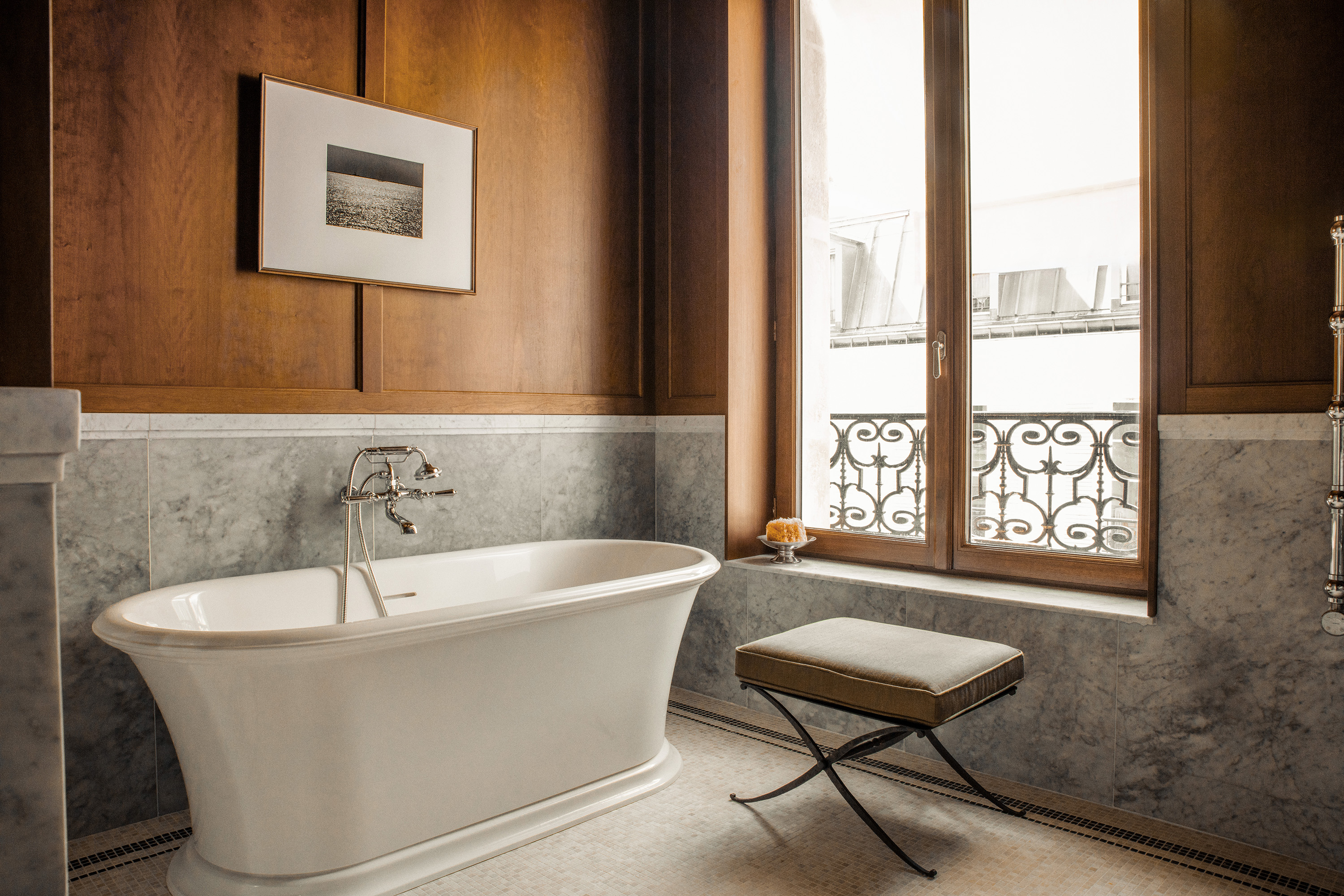
Rooms in a Festen interior tend to feel like apartments rather than hotel rooms — generous bedding, a real reading chair, lighting that comes from at least four sources, a bathroom that does not announce itself. Ask for an upper-floor room on the courtyard side. The street is quiet, the courtyard is silent.
Food & Drink
Pierre Gagnaire is the kitchen. The dining room is not the reason to book the hotel, but it is the reason a serious dinner is on offer without leaving the building.
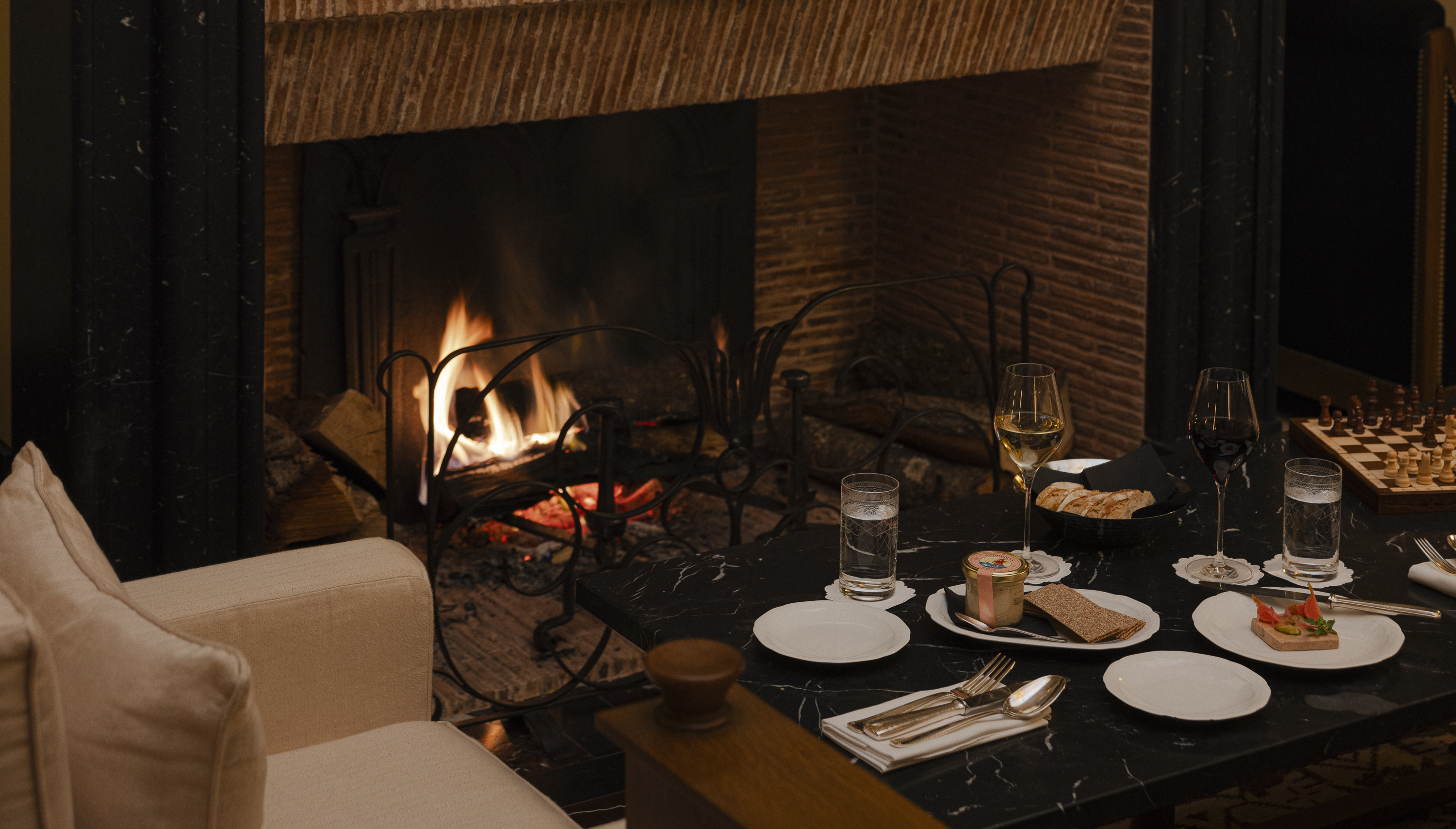
The bar is the real argument. It is small, late, properly stocked, and the kind of place that holds onto a quiet evening without intruding on it. Many people who do not stay at the Balzac end up here anyway. That is usually how you know.
The Neighborhood
The Champs-Élysées itself is best treated as a walk-through, not a destination. The Avenue Montaigne is two minutes away if shopping is the brief. For dinner outside the hotel, walk east into the 1st or south across the river — both are closer than they look from a map.
Stay here when you want the 8th arrondissement on your terms — quietly, residentially, and with one of the better small bars in Paris waiting downstairs.
What We Loved
A Champs-Élysées address that gives you everything about Paris at your doorstep without putting you inside the tourist spectacle. Two minutes to the best lunch spots, five to the park.
70 rooms is small enough to feel known. The concierge team treats regulars differently — get there twice and you will understand why people come back.
The Balzac bar is a neighborhood institution. The hotel stays busy in part because locals use it. That is a reliable quality signal.
For a Champs-Élysées address with this level of service, the pricing reflects genuine value. The rates make it a realistic choice for the trip that deserves a serious hotel.
Worth Knowing Before You Book
- 01Book well in advance for rooms facing the courtyard — they are quieter and worth requesting.
- 02The Champs-Élysées is noisier than it looks on the map. Upper floors face the street; lower courtyard rooms are the move.
- 03The restaurant is worth a meal — it is operated independently and the kitchen takes it seriously.
- 04Valet parking is available; the nearest garage is a 15-minute walk otherwise, which matters when arriving with luggage.