Nolinski Venezia
By Albert & Nouri Beesemer — booked and paid for by us. No sponsored placements. Ever.
Not a grand hotel performing luxury — a small hotel that has decided, in specific and considered ways, what it actually means to take care of someone. The most beautiful of the three Nolinski properties. Book in the off-season.
- City
- Venice
- Neighborhood
- CALLE LARGA XXII MARZO · SAN MARCO
- Price from
- From ~€500/night
- Last visited
- December 2025
- VV Rating
- 9 / 10
The VV Review
Nouri found Nolinski before most people had heard of it. This is how it works with him. Not a discovery made in real time — he does not arrive and discover — but a decision made beforehand, on the basis of knowing what a hotel group of three properties does differently from the category around it.
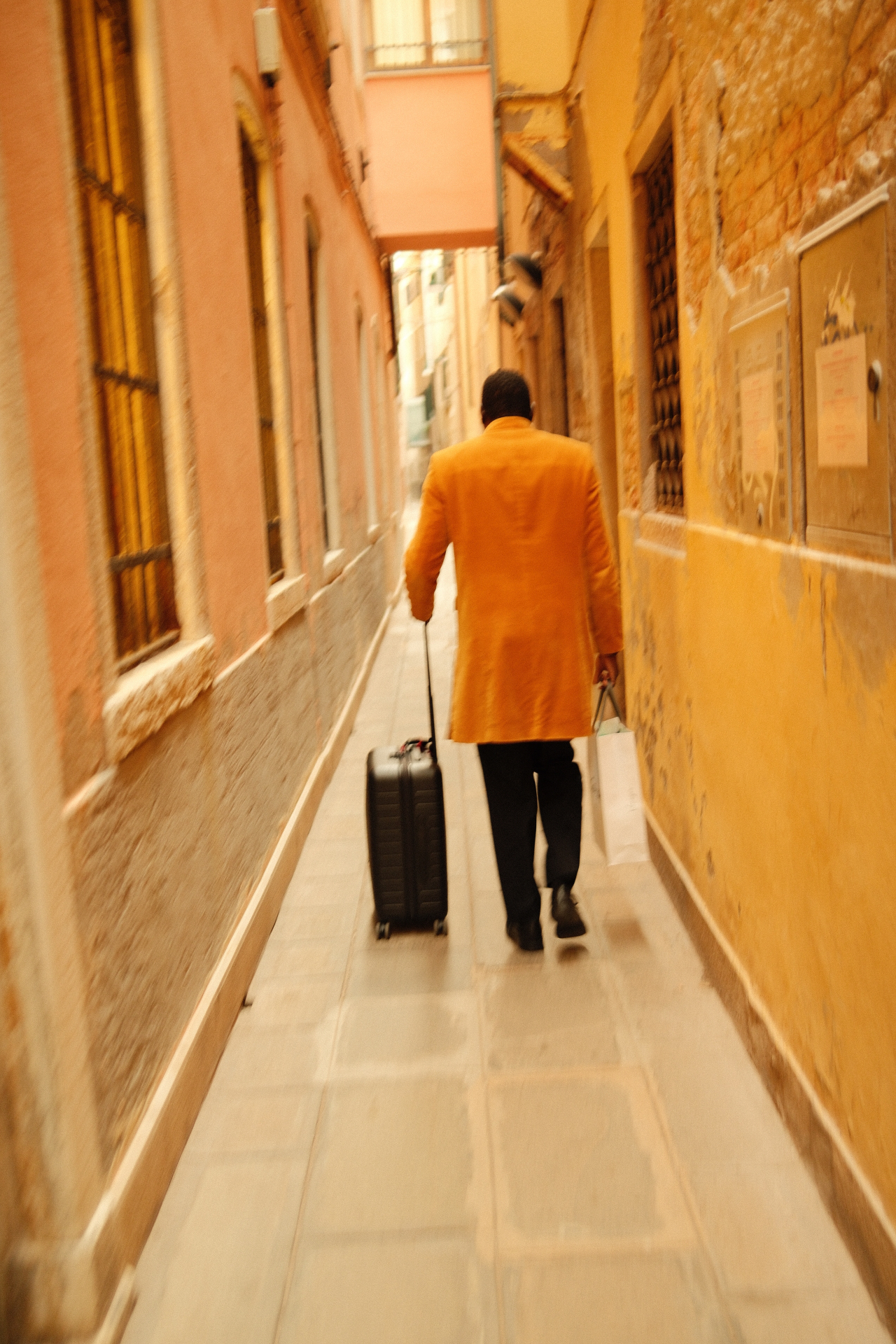
The Venice property is not on the Grand Canal. This is not a concession. It is on Calle Larga XXII Marzo, the street where Venice keeps its finest shops — Attilio Codognato, the antique jeweller operating since 1866; the boutiques that have been here since before the tourist market existed. To be on this street is to be at the center of the city that actually exists, rather than the city that performs for photographs. The Grand Canal addresses charge you for the view. Nolinski charges you for being in the right place.
The Venice property is not on the Grand Canal.
First Impressions
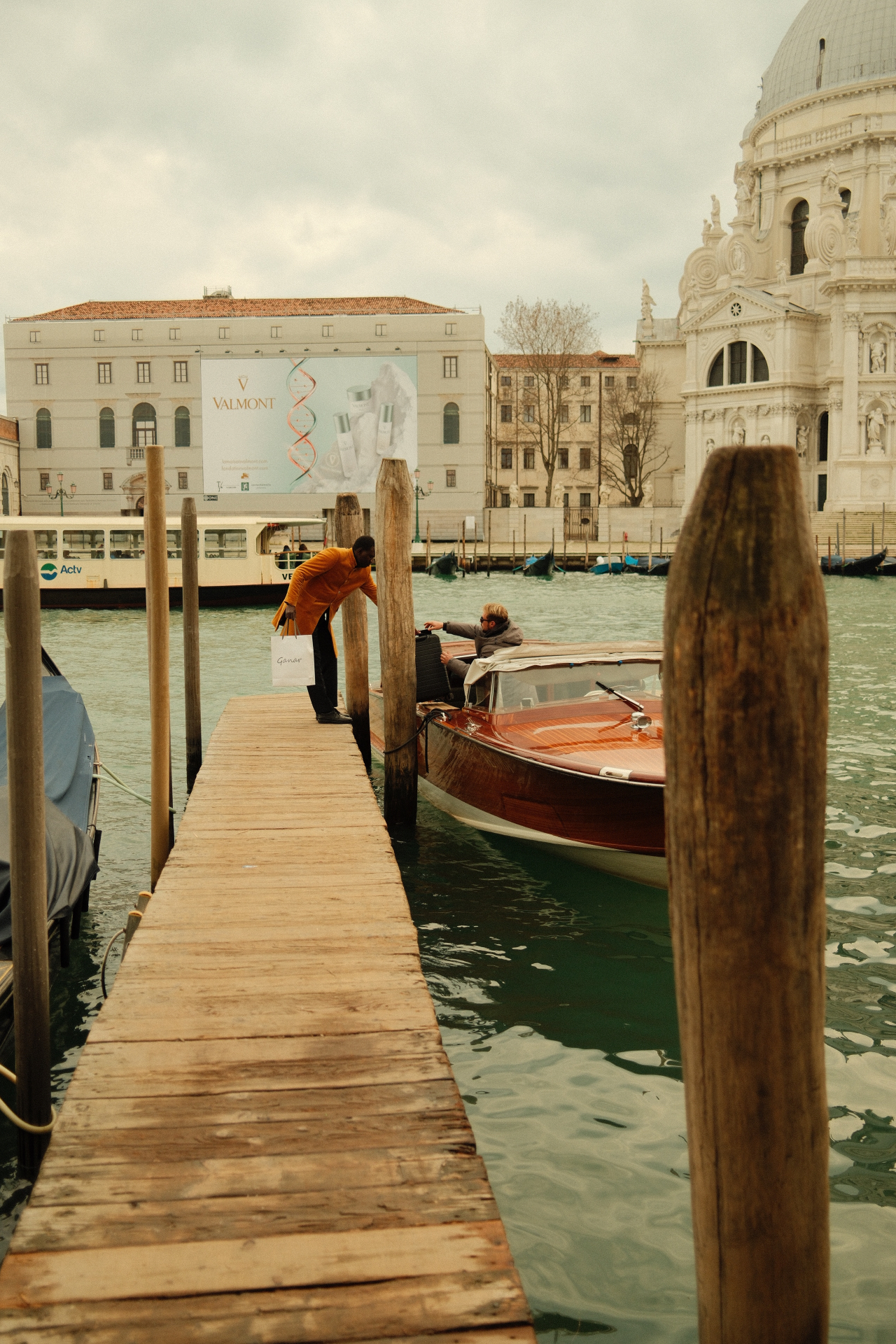
You arrive already knowing — which is the whole feeling the hotel is built around. Off the Calle Larga XXII Marzo, in the middle of the real city rather than the photographed one.
The Rooms
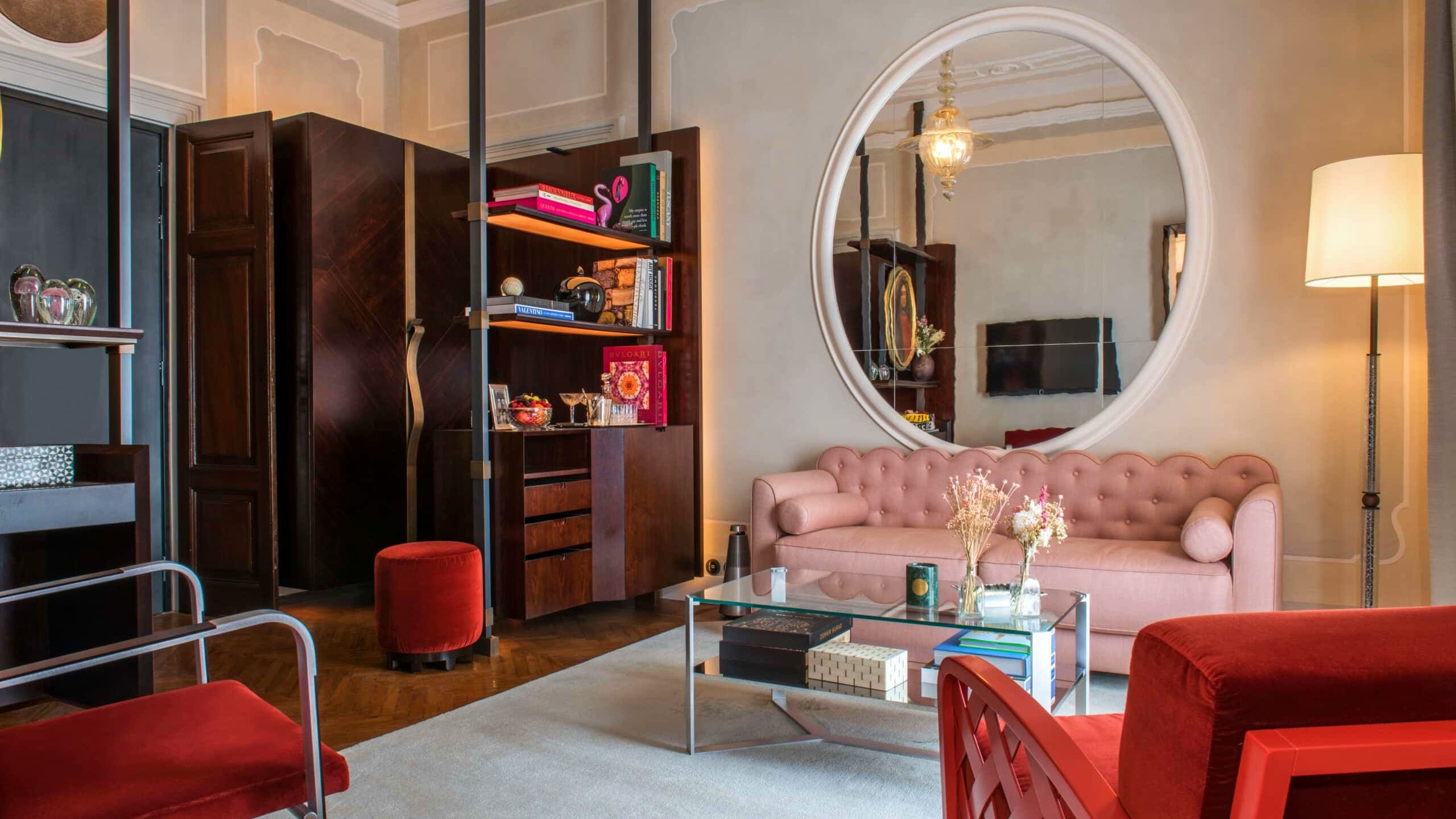
The room we had was on the top floor. The ceiling was high. There was a Murano glass pendant, a deep red armchair, dark wood shelving with the bottles set out — proper bottles, open, whisky and gin, on a tray as though you were a guest in someone's apartment rather than a client of a hotel. On the coffee table: a book about Venice, a Virgil Abloh monograph, Veronese. Someone chose those books. Someone briefed the room. We put our feet up on the coffee table on the first afternoon and stayed there for two hours.
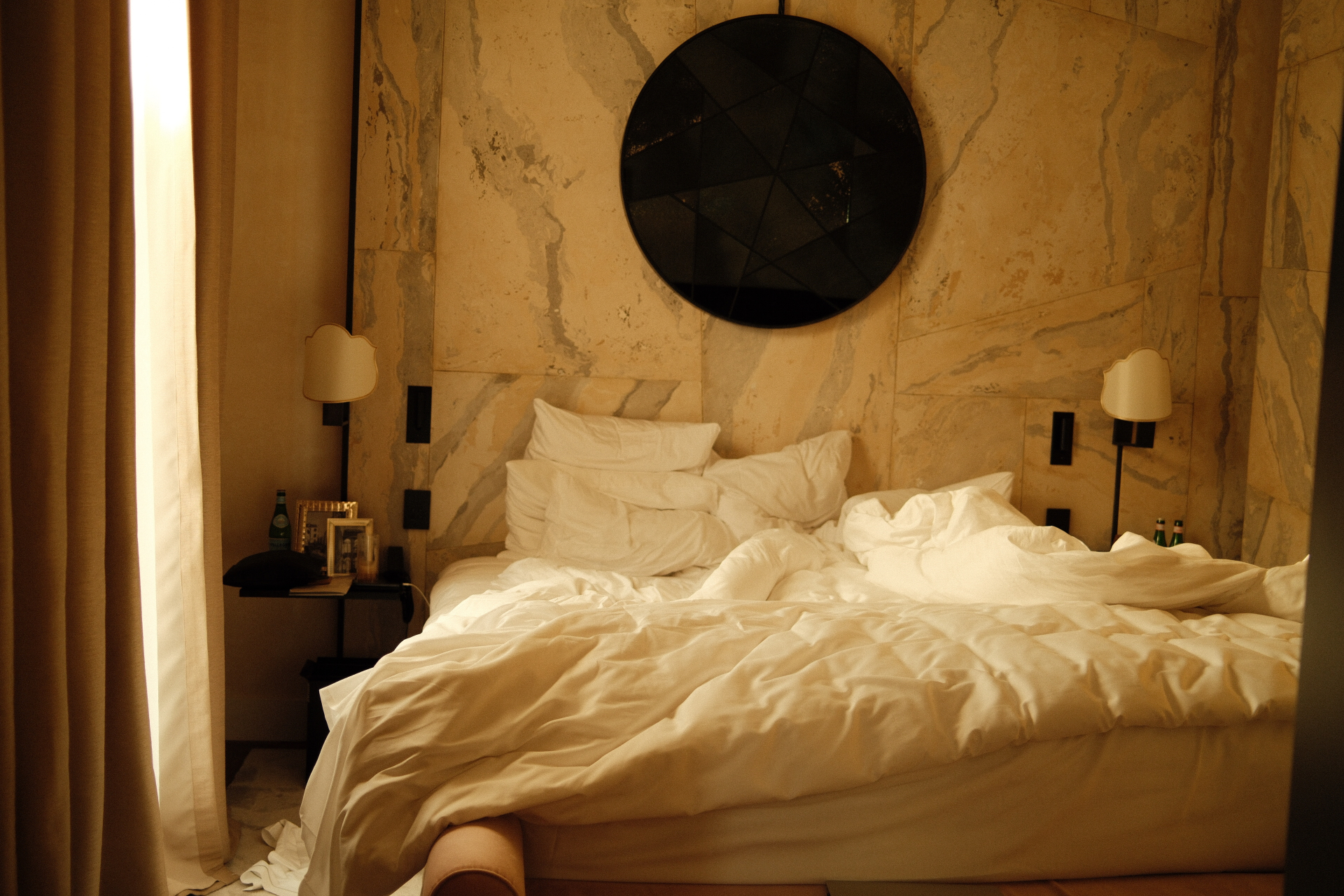
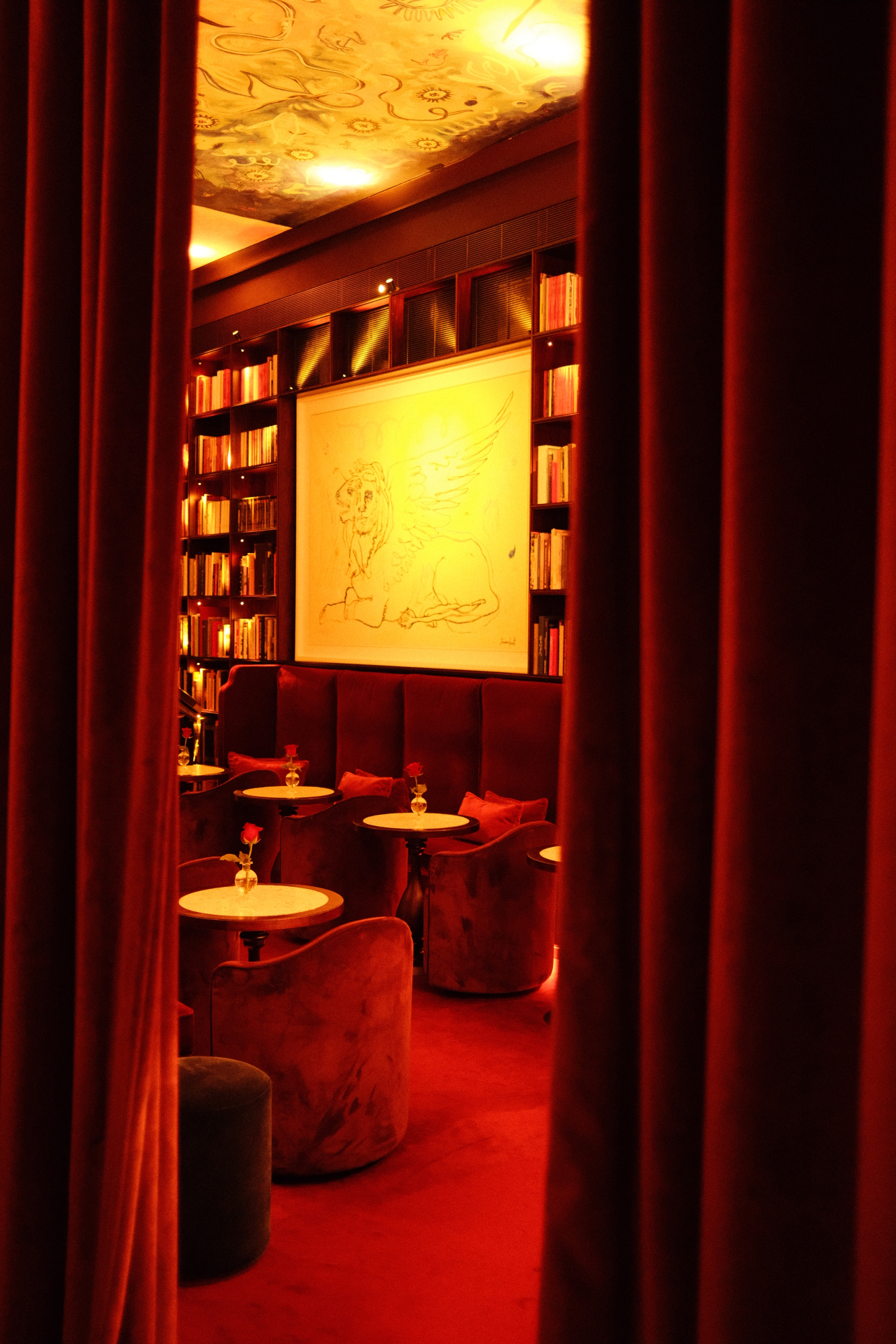
The interior design is by Joseph Dirand Architecture, the Parisian studio whose work has a particular quality: restraint that does not read as minimalism, warmth that does not read as excess.
Food & Drink
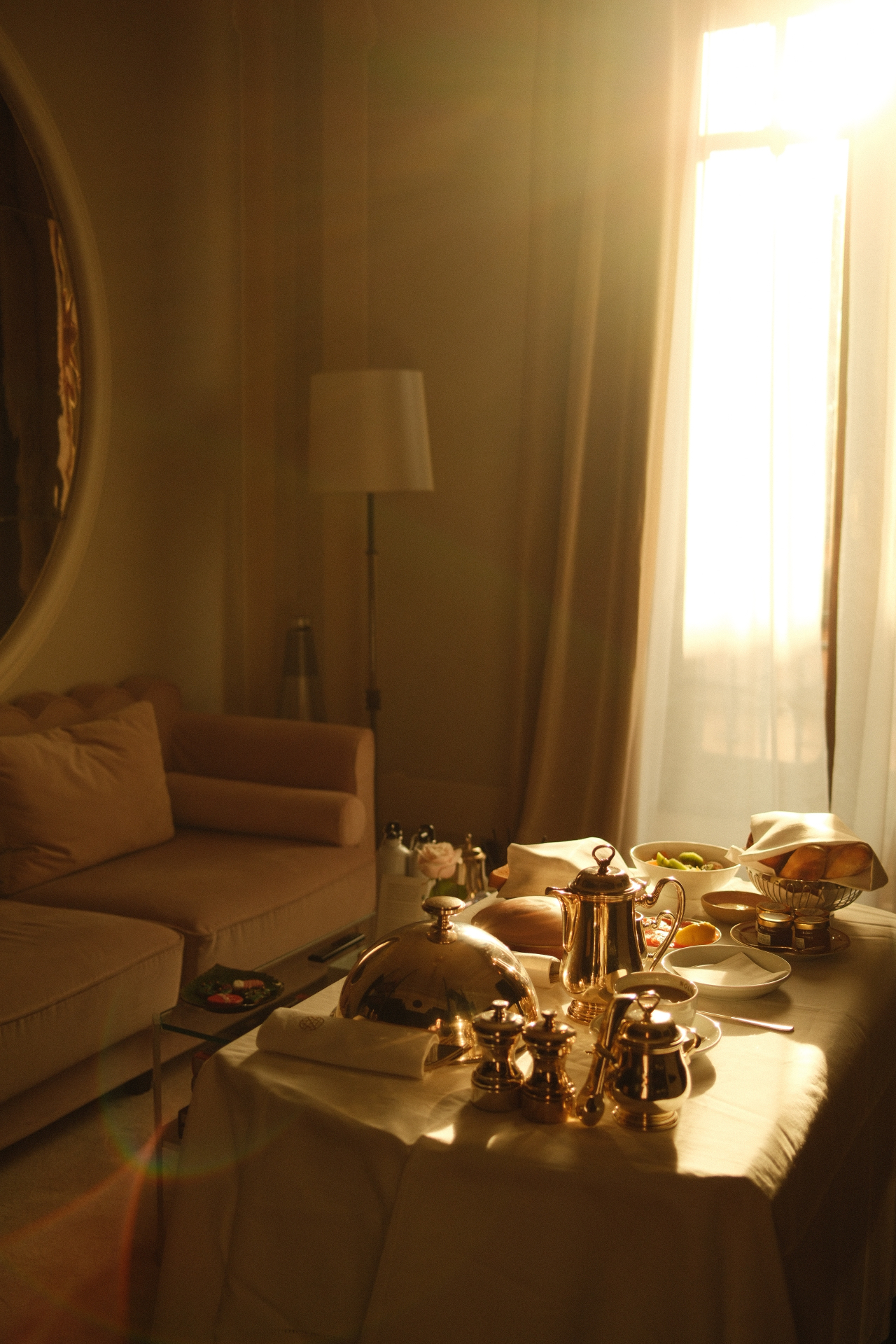
Breakfast is Christofle silver service. Almost no hotel does this anymore — the silverware requires polishing, replacement, care, the operational details that get quietly eliminated in the name of efficiency. At Nolinski they have not been eliminated. The pastry basket competes with the best in Paris, which in Venice is remarkable and not accidental: the person sourcing the pastries decided to compete with Paris, and has succeeded.
The Neighborhood
Calle Larga XXII Marzo, San Marco — Venice's finest shopping street, steps from Piazza San Marco but on the side of it that belongs to the city rather than the crowd. Attilio Codognato (1866) is practically next door.
The manager, Gloria Vian, came from Belmond — Cap Juluca specifically, one of the better-run hotels in the Caribbean. You can feel the training in the way a problem gets handled before you've had time to consider it a problem. The Venice property is the most beautiful of the three Nolinski properties. It will not stay undiscovered for much longer. Book in the off-season.
What We Loved
Calle Larga XXII Marzo — not the Grand Canal. The street where Venice keeps its finest shops and has kept them since before the tourist market existed. Being here is being in the real city.
Open bottles on a tray in the room. Whisky, gin, set out as though you were a guest in someone's apartment. Someone briefed this room. The difference between a hotel that gets details right and one that merely charges as though it does.
Christofle silver service. The pastry basket competes with Paris. In Venice, this is not an accident — it is a decision made by someone who decided to compete with Paris and succeeded.
Restraint that does not read as minimalism, warmth that does not read as excess. The Parisian studio's signature is exactly right for a small luxury hotel in a city this old.
The manager came from Belmond Cap Juluca. You feel the training in the way a problem is handled before you've had time to consider it a problem. This is the rarest thing a hotel can have.
The most beautiful of the three Nolinski properties, and in December or November it is almost entirely yours. Venice without the crowds. Nolinski without the premium. The right answer.
Worth Knowing Before You Book
- 01This is not a Grand Canal hotel. That is not a compromise — Calle Larga XXII Marzo is a better address for being in Venice rather than photographing it.
- 02Book in the off-season. December and November are when this hotel is at its best — quieter, more yours, and the rate reflects it.
- 03The rooms are small by palace hotel standards. This is Venice. The city is the room. What is inside is beautifully considered.
- 04Have breakfast in the hotel. The Christofle silver service and the pastry basket are worth building your morning around.
- 05The hotel has three properties — Paris, Venice, and a third. If you loved this one, the Paris original is the template it was built on and is worth your next trip.
- 06Arrive by water taxi if possible. The approach to Venice by water, then the walk through San Marco to reach the hotel, is part of the experience.